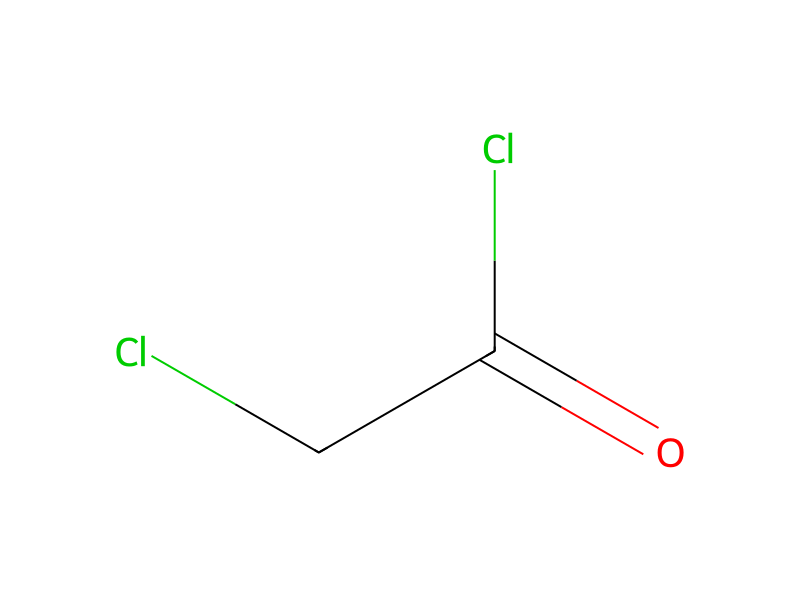
[NH2:1][C:2]1[CH:7]=[CH:6][C:5]([C:8]([N:10]2[CH2:16][C:15]3([CH3:18])[CH2:17][CH:11]2[CH2:12][C:13]([CH3:20])([CH3:19])[CH2:14]3)=[O:9])=[CH:4][CH:3]=1.[Cl:21][CH2:22][C:23](Cl)=[O:24]>C1COCC1>[Cl:21][CH2:22][C:23]([NH:1][C:2]1[CH:3]=[CH:4][C:5]([C:8]([N:10]2[CH2:16][C:15]3([CH3:18])[CH2:17][CH:11]2[CH2:12][C:13]([CH3:20])([CH3:19])[CH2:14]3)=[O:9])=[CH:6][CH:7]=1)=[O:24]To a solution of (4-amino-phenyl)-(1,3,3-trimethyl-6-aza-bicyclo[3.2.1]oct-6-yl)-methanone (3.0 g, 11.01 mmol) and TEA (3.1 ml, 22.03 mmol) in dry THF (100 ml) was added dropwise chloroacetyl chloride (1.05 ml, 13.22 mmol). The mixture was stirred for 75 min. and evaporated followed by addition of water 75 (ml). The aqueous phase was extracted with EtOAc (2×50 ml) and the combined organic phases were dried (Na2SO4), filtered and evaporated in vacuo. The resulting residue was dissolved in EtOAc (40 ml) and filtered through a 2.5 cm path of silicagel. The filtrated was evaporated to dryness affording 3.3 g (86%) of 2-chloro-N-[4-(1,3,3-trimethyl-6-aza-bicyclo[3.2.1]octane-6-carbonyl)-phenyl]-acetamide as an oil.