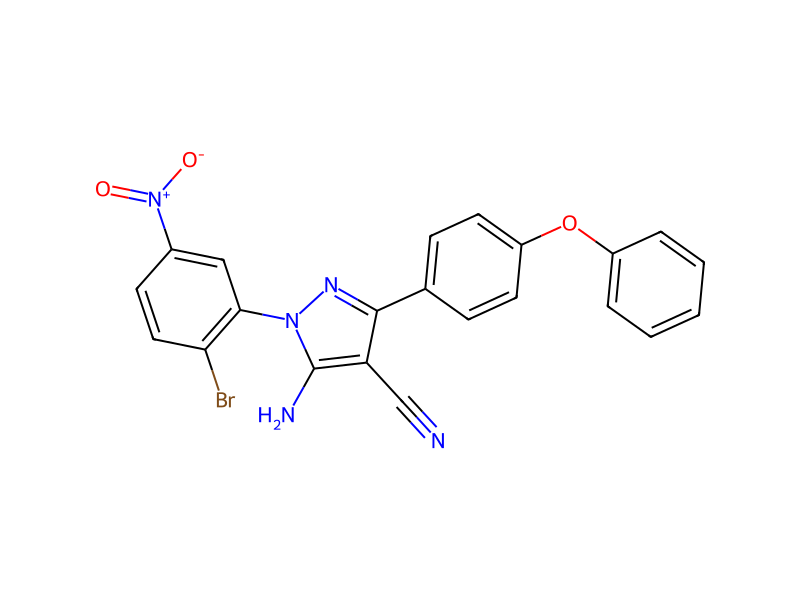
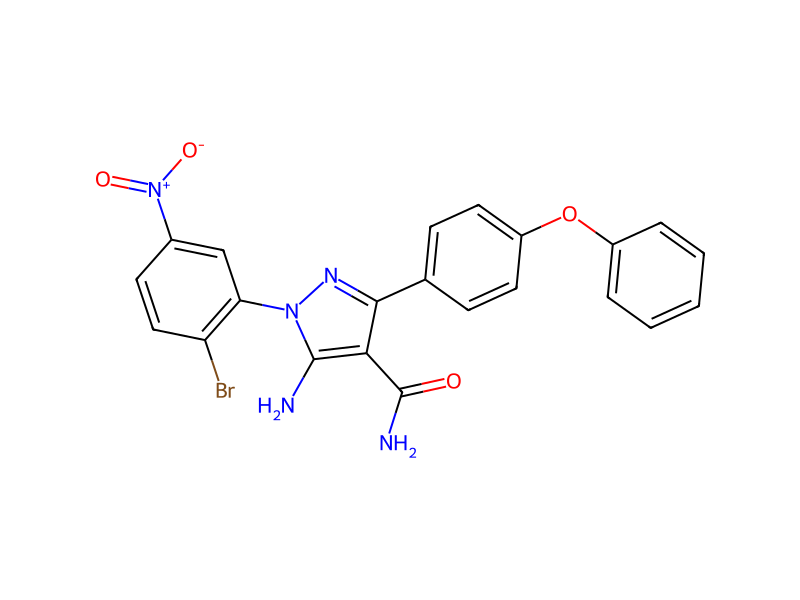
Phosphorous acid → 5-Amino-1-(2-bromo-5-nitrophenyl)-3-(4-phenoxyphenyl)-1H-pyrazole-4-carboxamide
Reaktionsgleichung
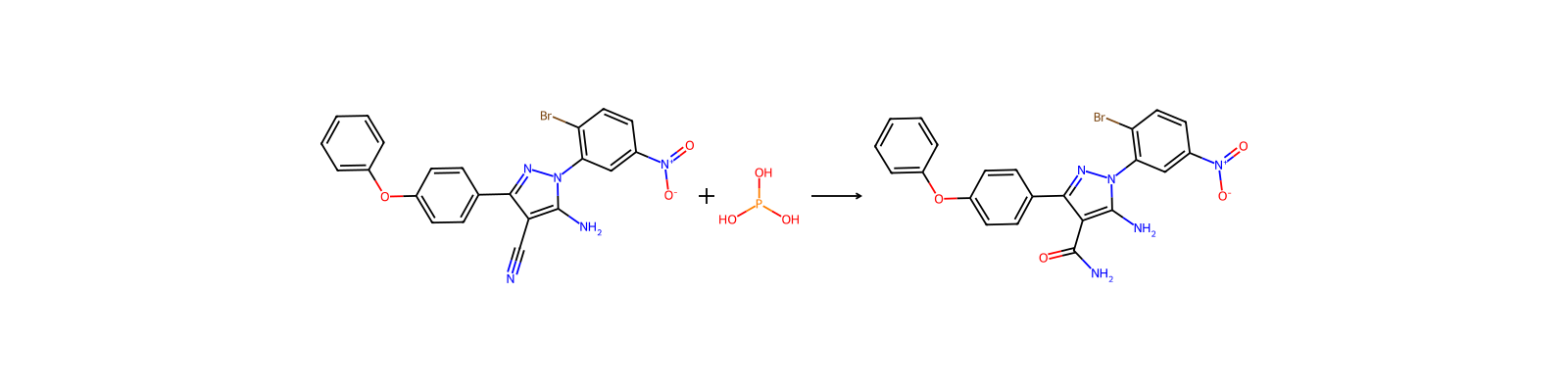
[NH2:1][C:2]1[N:6]([C:7]2[CH:12]=[C:11]([N+:13]([O-:15])=[O:14])[CH:10]=[CH:9][C:8]=2[Br:16])[N:5]=[C:4]([C:17]2[CH:22]=[CH:21][C:20]([O:23][C:24]3[CH:29]=[CH:28][CH:27]=[CH:26][CH:25]=3)=[CH:19][CH:18]=2)[C:3]=1[C:30]#[N:31].P(O)(O)[OH:33]>>[NH2:1][C:2]1[N:6]([C:7]2[CH:12]=[C:11]([N+:13]([O-:15])=[O:14])[CH:10]=[CH:9][C:8]=2[Br:16])[N:5]=[C:4]([C:17]2[CH:22]=[CH:21][C:20]([O:23][C:24]3[CH:29]=[CH:28][CH:27]=[CH:26][CH:25]=3)=[CH:19][CH:18]=2)[C:3]=1[C:30]([NH2:31])=[O:33]Komponenten
3
Reaktionsbedingungen
- Temperatur
- 100 °C
Versuchsvorschrift
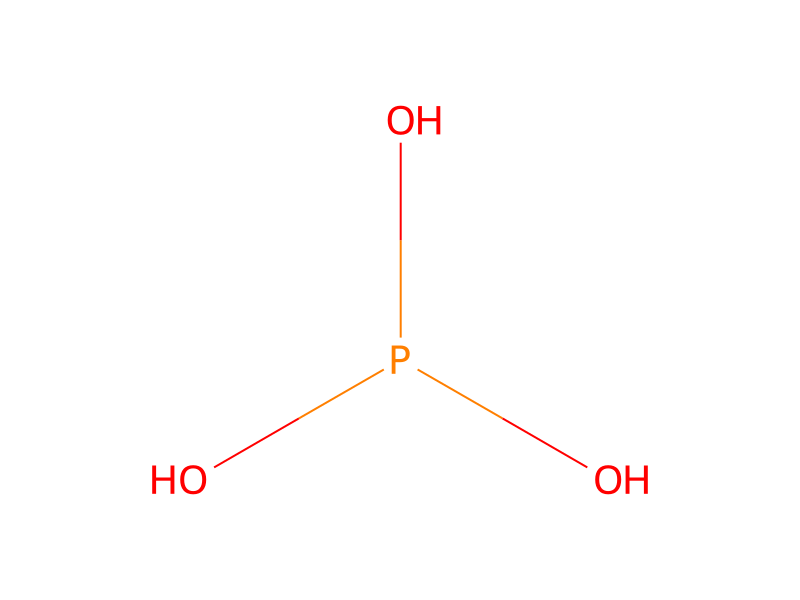
A mixture of 5-amino-1-(2-bromo-5-nitrophenyl)-3-(4-phenoxyphenyl)-1H-pyrazole-4-carbonitrile (137 mg, 0.287 mmol) in phosphorous acid (85 wt. % in H2O, 10 mL) was stirred at 100° C. for 1 hr, until TLC and LCMS analysis showed that most of starting material was consumed. The reaction was cooled to room temperature and partitioned between water (40 mL) and EA (40 mL). Organic layer was separated from aqueous layer. The aqueous phase was then extracted with EA (20 mL). The combined organic layers were washed with brine (50 mL), dried over Na2SO4 and concentrated to get the crude product (149 mg) which was used in next step without further purification. MS (ESI) m/e [M+1]+494, 496.