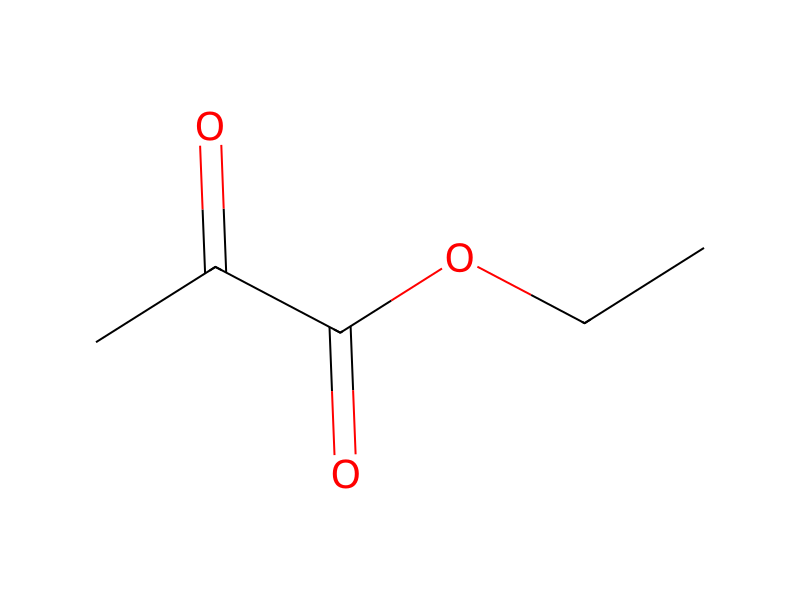
[C:1]([O:6][CH2:7][CH3:8])(=[O:5])[C:2]([CH3:4])=O.N[N:10]1[C:15]2[CH:16]=[CH:17][CH:18]=[CH:19][C:14]=2[O:13][CH2:12][C@H:11]1[CH:20]1[CH2:25][CH2:24][CH2:23][CH2:22][CH2:21]1.S(=O)(=O)(O)O>C(O)C>[CH:20]1([C@H:11]2[N:10]3[C:2]([C:1]([O:6][CH2:7][CH3:8])=[O:5])=[CH:4][C:16]4[CH:17]=[CH:18][CH:19]=[C:14]([C:15]=43)[O:13][CH2:12]2)[CH2:21][CH2:22][CH2:23][CH2:24][CH2:25]1Ethyl pyruvate (882 mg, 7.59 mmol) was added to a solution of (R)-4-amino-3-cyclohexyl-3,4-dihydro-2H-1,4-benzoxazine (1.47 g, 6.33 mmol) in ethanol (40 ml). The reaction mixture was stirred at room temperature for 15 min. To the reaction mixture, sulfuric acid (10% v/v in ethanol; 8.0 ml) was added. The reaction mixture was refluxed for 2 h. The mixture was cooled to room temperature and partitioned between ethyl acetate and sodium carbonate solution. The aqueous layer was extracted with ethyl acetate and the combined organic layers washed with brine, dried over sodium sulfate and concentrated. The residue was purified by flash column chromatography eluting with 0-10% (v/v) ethyl acetate in heptane to afford ethyl (R)-3-cyclohexyl-2,3-dihydropyrrolo[1,2,3-de]-1,4-benzoxazine-5-carboxylate (1.49 g, 4.76 mmol).