2-Methyl-2-butanol → 2-Amino-4-methoxy-5-(3-morpholinopropoxy)benzamide
Reaktionsgleichung

[NH2:1][C:2]1[CH:9]=[C:8]([O:10][CH3:11])[C:7]([O:12][CH2:13][CH2:14][CH2:15][N:16]2[CH2:21][CH2:20][O:19][CH2:18][CH2:17]2)=[CH:6][C:3]=1[C:4]#[N:5].C([OH:27])(CC)(C)C>C(Cl)Cl>[NH2:1][C:2]1[CH:9]=[C:8]([O:10][CH3:11])[C:7]([O:12][CH2:13][CH2:14][CH2:15][N:16]2[CH2:17][CH2:18][O:19][CH2:20][CH2:21]2)=[CH:6][C:3]=1[C:4]([NH2:5])=[O:27]Komponenten
4
Edukt 2
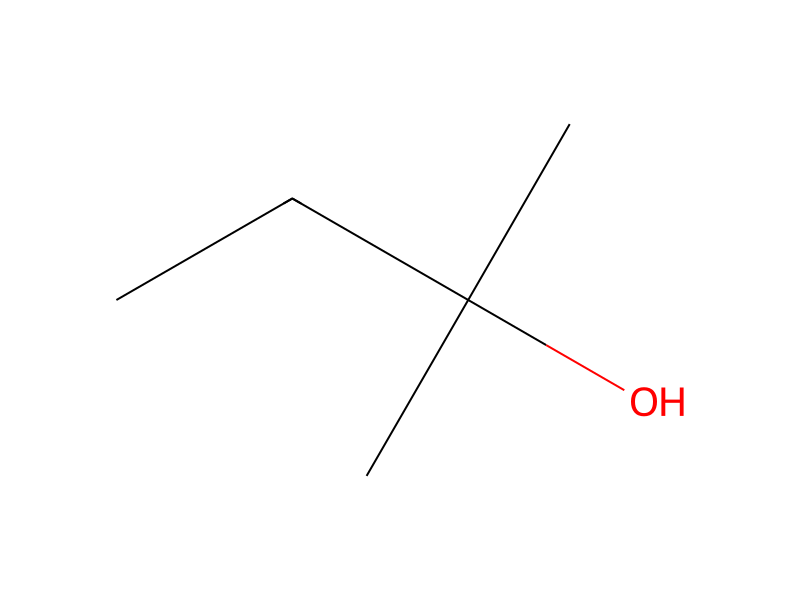

Produkt 1

Reagenzien, Katalysatoren, Lösungsmittel 1

Reaktionsbedingungen
- Temperatur
- 79 °C
Versuchsvorschrift
After repetition of the reduction step, a methylene chloride solution (894.3 kg) containing 2-amino-4-methoxy-5-(3-morpholinopropoxy)benzonitrile (81.6 kg) was added portionwise to tert-amyl alcohol (186 kg) and the resultant mixture was distilled until the temperature of the distillate reached 57° C. Additional tert-amyl alcohol (726 kg) was added portionwise and distillation was continued until the residual volume of the reaction mixture was approximately 770 liters. Potassium hydroxide (flaked form; 51 kg) was added and the mixture was heated to 79° C. for 4 hours. The resultant mixture was cooled to ambient temperature to provide a solution of 2-amino-4-methoxy-5-(3-morpholinopropoxy)benzamide which was used without being isolated.