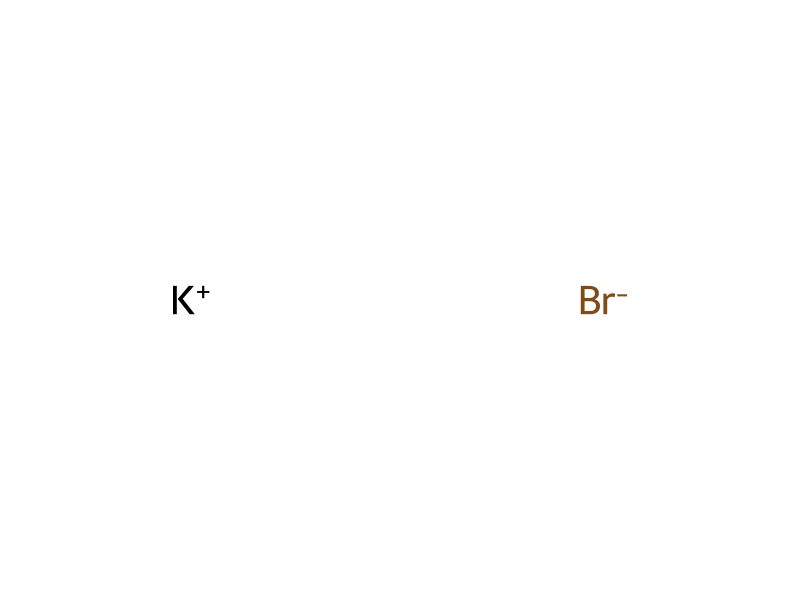
Br[C:2]1[CH:3]=[CH:4][C:5]([O:12][CH3:13])=[C:6]([CH:11]=1)[C:7]([O:9][CH3:10])=[O:8].[NH:14]1[CH:18]=[CH:17][N:16]=[CH:15]1.C(=O)([O-])[O-].[K+].[K+].[K+].[Br-]>CN(C=O)C>[N:14]1([C:2]2[CH:3]=[CH:4][C:5]([O:12][CH3:13])=[C:6]([CH:11]=2)[C:7]([O:9][CH3:10])=[O:8])[CH:18]=[CH:17][N:16]=[CH:15]15-Bromo-2-methoxybenzoic acid, methyl ester (5 g, 20.4 mmol), imidazole (1.4 g, 20.6 mmol), and potassium carbonate (2.9 g, 20.7 mmol) were heated to 145° C. in DMF under N2 as cuprous iodide (1.5 g, 7.9 mmol) was added in portions. The reaction was stirred at this temperature for 18 h, allowed to cool, and filtered through a celite plug. The filtered salts were washed extensively with methanol, the filtrate concentrated in vacuo, and the residue taken up in ethyl acetate, washed with water, brine, and dried. Chromatography on SiO2, elution with methanol/ethyl acetate/hexanes (1:1:3) gave 3 g (63%); IR(KBr, υ=cm−1) 3430, 1726, 1512, 1232, 1068; 1H NMR (300 MHz, DMSO-d6) δ 3.80 (3H, s), 3.85 (3H, s), 7.07 (1H, s), 7.27 (1H, d, J=8.8 Hz), 7.69 (1H, s), 7.76 -7.82 (2H, m) 8.18 (1H, s); MS(DCl)m/z: 233 (MH+).