Acetyl chloride → HCID 178471607, Verbindung
HRID 654999
Reaktionsgleichung

[CH2:1]([O:3][C:4]([CH:6]([CH3:14])[C:7](=O)[CH2:8][C:9]([O:11][CH3:12])=[O:10])=[O:5])[CH3:2].[CH2:15]([NH2:22])[C:16]1[CH:21]=[CH:20][CH:19]=[CH:18][CH:17]=1.[C:23](Cl)(=[O:25])[CH3:24]>CO>[C:23]([C:8](=[C:7]([NH:22][CH2:15][C:16]1[CH:21]=[CH:20][CH:19]=[CH:18][CH:17]=1)[CH:6]([CH3:14])[C:4]([O:3][CH2:1][CH3:2])=[O:5])[C:9]([O:11][CH3:12])=[O:10])(=[O:25])[CH3:24]Komponenten
5
Edukt 3

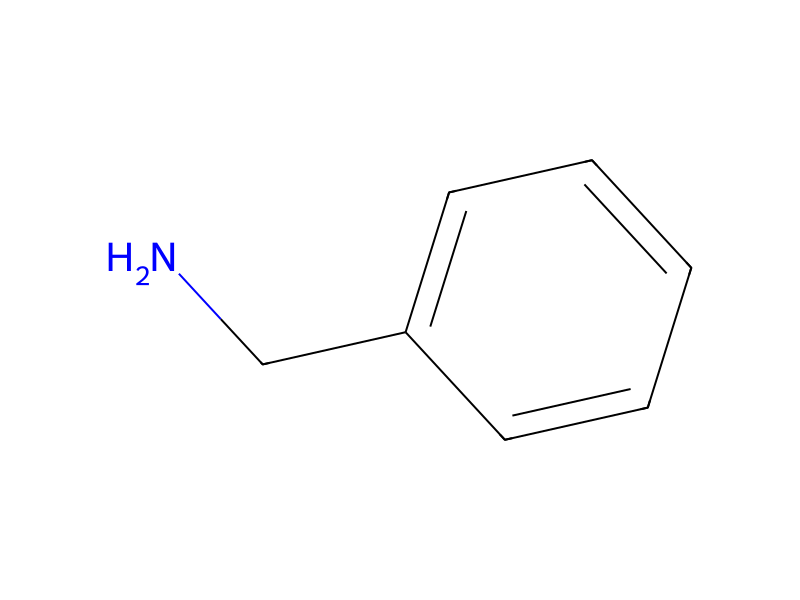

Produkt 1

Reagenzien, Katalysatoren, Lösungsmittel 1

Versuchsvorschrift
Methyl 4-ethoxycarbonyl-3-oxopentanoate (200 ml; 1.06 mmole) was dissolved in dry methanol (2.5 ml), and benzylamine (386 mg; 3.6 mmole) and molecular sieve 3A (0.3 g) were added thereto. A solution of acetyl chloride (170 mg; 2.17 mmole) in dry methanol (0.9 ml) was added to the resultant mixture, followed by allowing to stand at room temperature for 16 hours. Molecular sieve was removed by filtraton, and the filtrate was diluted with ethyl acetate, washed successively with a saturated sodium bicarbonate solution and water, dried over anhydrous sodium sulfate and concentrated under reduced pressure. The residue was dissolved in toluene (2.5 ml). Gaseous ketene was introduced therein at room temperature. After completion of the reaction, the solvent was removed under reduced pressure, and the residue was purified by silica gel column chromatography to give methyl ethyl 2-acetyl-3-benzylamino-4-methyl-2-pentenedioate.