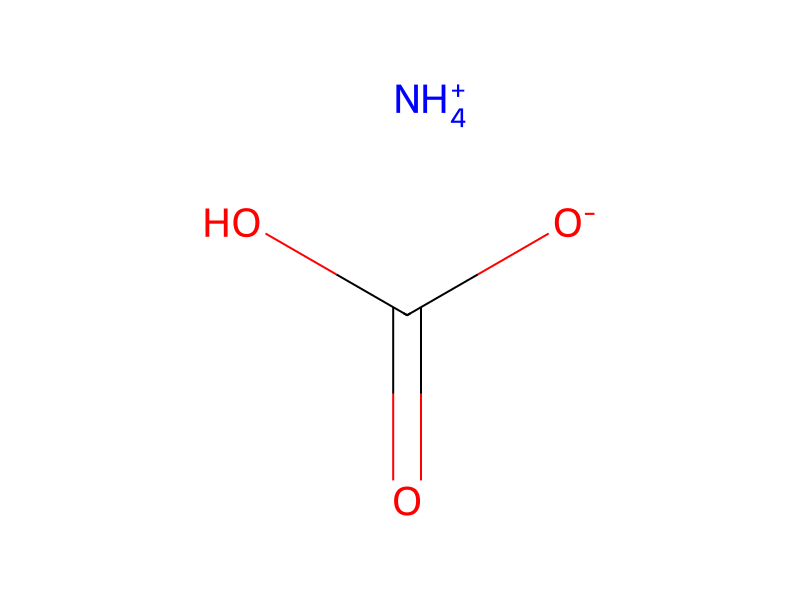
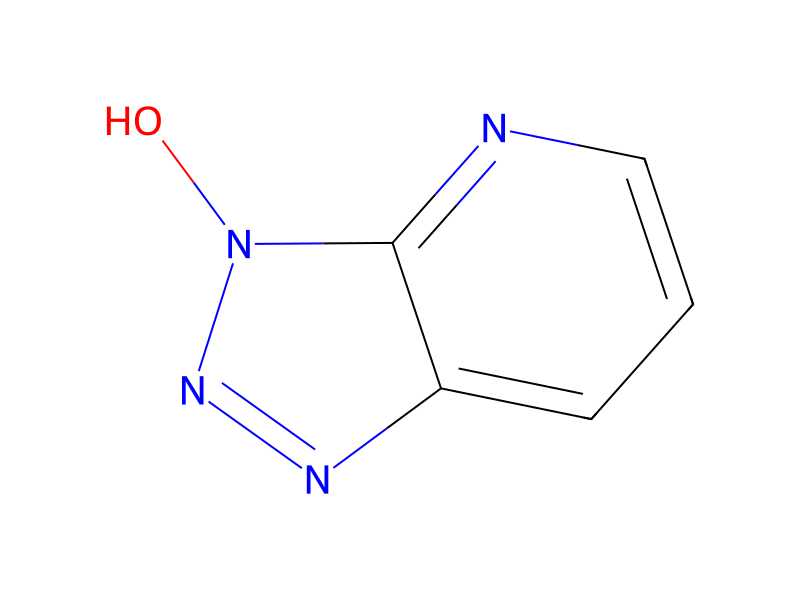
To a solution of 4-hydroxy-1-(phenylmethyl)-3-piperidinecarboxylic acid (12 g) and triethylamine (3.53 mL, 25.5 mmol) in N,N-dimethylformamide (60 mL) was added 1-hydroxy-7-azabenzotriazole (3.48 g, 25.6 mmol) and N-[3-(dimethylamino)propyl]-N′-ethylcarbodiimide hydrochloride (8.54 g, 56.2 mmol). After stirring for 5-10 min. ammonium bicarbonate (15.3 g, 204 mmol) was added. The reaction mixture was stirred at room temperature for overnight. The solvent was then removed under reduced pressure and the residue was dissolved in aqueous sodium bicarbonate and dichloromethane. The aqueous phase was extracted with 9:1 dichloromethane:methanol. The organic layer was dried and evaporated. The residue was chromatographed on silica gel, eluting with 10-20% methanol/dichloromethane, to give the desired compound (4.15 g, 35%). Impure fractions were chromatographed again to give further product (1.02 g).