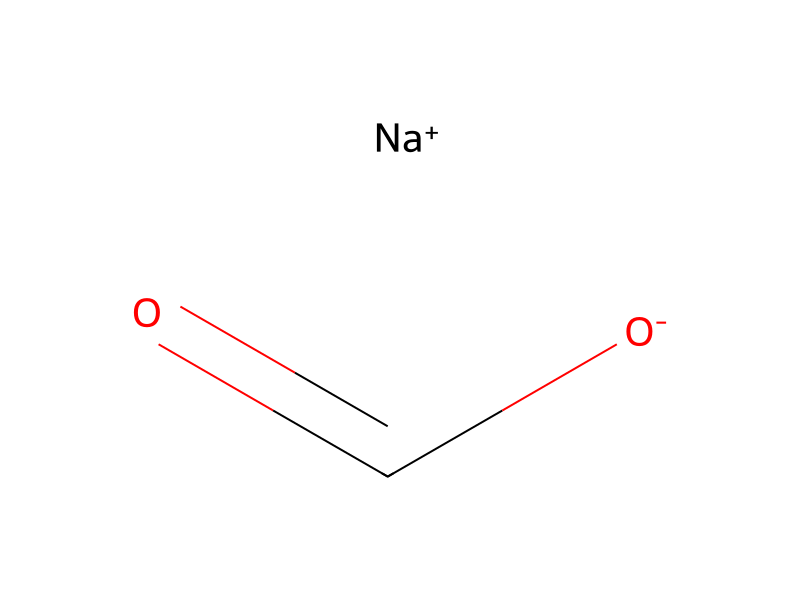
Br[C:2]1[CH:3]=[CH:4][C:5]2[N:6]([CH2:15][CH3:16])[C:7]3[CH2:8][CH2:9][CH2:10][CH2:11][C:12]=3[C:13]=2[CH:14]=1.[CH:17]([O-])=[O:18].[Na+]>CN(C)C=O.C(OCC)(=O)C.Cl[Pd](Cl)([P](C1C=CC=CC=1)(C1C=CC=CC=1)C1C=CC=CC=1)[P](C1C=CC=CC=1)(C1C=CC=CC=1)C1C=CC=CC=1>[CH2:15]([N:6]1[C:5]2[CH:4]=[CH:3][C:2]([CH:17]=[O:18])=[CH:14][C:13]=2[C:12]2[CH2:11][CH2:10][CH2:9][CH2:8][C:7]1=2)[CH3:16]A 250-mL round-bottomed flask was charged with a solution of 3-bromo-9-ethyl-6,7,8,9-tetrahydro-5H-carbazole (2 g, 7.22 mmol, 1.00 equiv) in N,N-dimethylformamide (100 mL), sodium formate (740 mg, 10.88 mmol, 1.50 equiv), Pd(PPh3)2Cl2 (500 mg, 0.72 mmol, 0.10 equiv) and CO (500 mL). The resulting solution was heated to 110° C. in an oil bath for 3 hours. The reaction progress was monitored by TLC (EtOAc:PE=1:5). Upon completion, the resulting solution was diluted with ethyl acetate (200 mL) and then quenched by the addition of brine (200 mL). The resulting mixture was extracted with ethyl acetate (2×100 mL) and the combined organic layers were dried over anhydrous sodium sulfate, filtered off and concentrated on a rotary evaporator affording 9-ethyl-6,7,8,9-tetrahydro-5H-carbazole-3-carbaldehyde as pale yellow solid (1.5 g, 70%).
Wird geladen…