Reaktionsgleichung

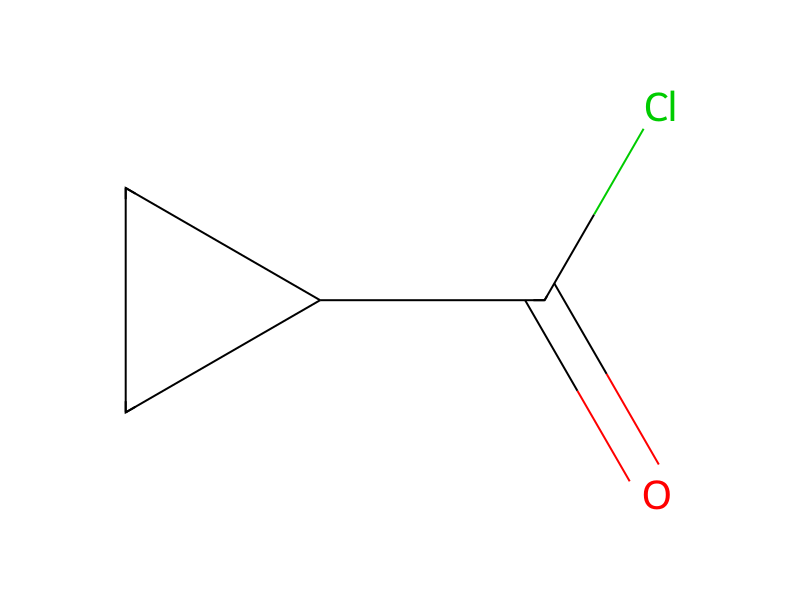
[CH:1]1([C:4](Cl)=[O:5])[CH2:3][CH2:2]1.[C:7]([C:11]1[CH:16]=[CH:15][CH:14]=[C:13]([C:17]([CH3:20])([CH3:19])[CH3:18])[C:12]=1[OH:21])([CH3:10])([CH3:9])[CH3:8]>>[CH:1]1([C:4]([C:15]2[CH:14]=[C:13]([C:17]([CH3:18])([CH3:19])[CH3:20])[C:12]([OH:21])=[C:11]([C:7]([CH3:10])([CH3:9])[CH3:8])[CH:16]=2)=[O:5])[CH2:3][CH2:2]1Komponenten
3


Versuchsvorschrift
Reacting cyclopropanecarbonyl chloride with 2,6-di(t-butyl)phenol by the method of Example 1, white, solid 3,5-di(t-butyl)-4-hydroxyphenyl cyclopropyl ketone, m.p. 140.5°-142.5° C. is obtained.
Quellen und Nachweise
- ORD-Eintrag
- ord-953e72e7c57b470fa8572f6a34cdf5ce
- Quelldatensatz
- uspto-grants-1978_12
- Patentnummer
- US04130666
Verknüpfte Notizen
Wird geladen…