Hydrochloric Acid → 3-(1H-pyrazol-4-yl)propan-1-amine dihydrochloride
Reaktionsgleichung

C1(=O)[NH:5]C(=O)C2=CC=CC=C12.[ClH:12].C1N=C(N)C2N=CN([C@@H]3O[C@H](COP(OP(OC[C@H]4O[C@@H]([N:43]5[CH:48]=[C:47]([C:49]([NH2:51])=O)[CH2:46][CH:45]=[CH:44]5)[C@H](O)[C@@H]4O)(O)=O)(O)=O)[C@@H](O)[C@H]3O)C=2N=1>>[ClH:12].[ClH:12].[NH2:5][CH2:44][CH2:45][CH2:46][C:47]1[CH:48]=[N:43][NH:51][CH:49]=1Komponenten
4


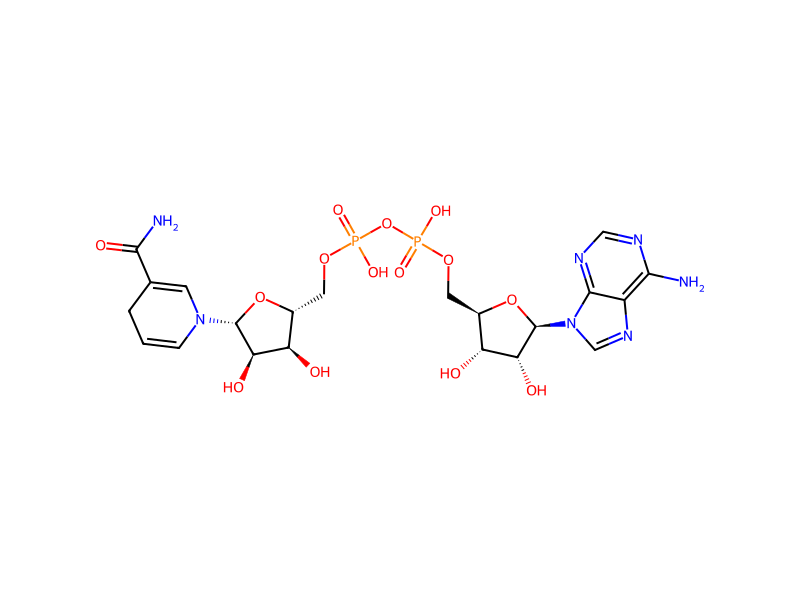

Reaktionsbedingungen
- Temperatur
- 4 °C
Versuchsvorschrift
This phthalimide intermediate (8.0 gram, 0.03 mole) was refluxed in 100 ml. of 6 normal hydrochloric acid overnight. The clear solution was cooled to 4° C., phthalic acid removed by filtration, and the filtrate evaporated to dryness to give a product which, after recrystallization from a mixture of ethanol and ethyl ether, amounted to 4.4 grams of a white solid identified as 4-(3-aminopropyl)-pyrazole dihydrochloride, melting point 189°-190° C. This pyrazole compound could be coupled to the activated dextran by reaction of the terminal amino group, but the resulting affinity resin, in which the coupling arm had a length of only 6 Angstrom units, had poor binding capacity for the binary complex of alcohol dehydrogenase and NAD.
Aufarbeitung
- customphthalic acid removed by filtration
- customthe filtrate evaporated to dryness
- customto give a product which
- customafter recrystallization
- additionfrom a mixture of ethanol and ethyl ether
- customThis pyrazole compound could be coupled to the activated dextran by reaction of the terminal amino group
Quellen und Nachweise
- ORD-Eintrag
- ord-2019574de9bf4a3f9f66054b1f3086e5
- Quelldatensatz
- uspto-grants-1978_12
- Patentnummer
- US04131727
Notizen zur Reaktion
Wird geladen…