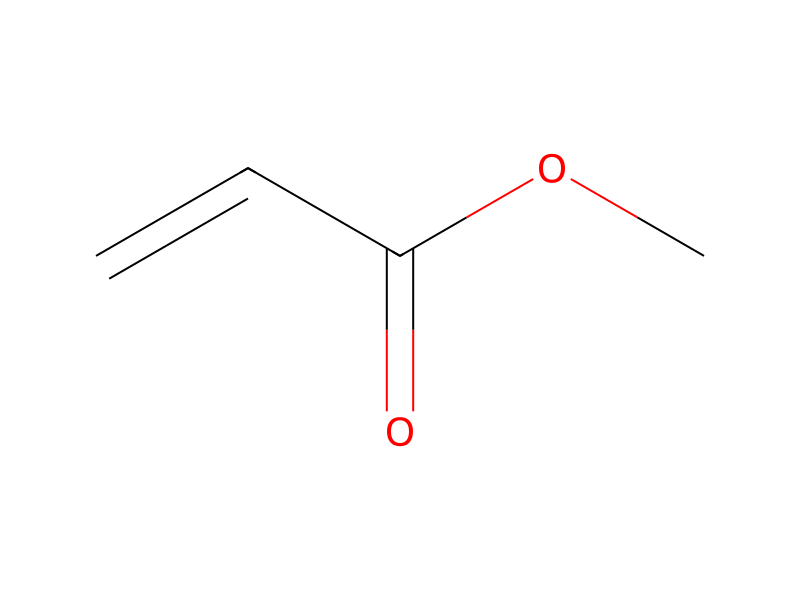
The following reaction was performed in duplicate: A glass microwave reaction vessel was charged with 3-amino-2-bromopyridine (2.00 g, 11.56 mmol) and bis(di-tert-butyl(4-dimethylaminophenyl)phosphine)dichloropalladium(II) (0.250 g, 0.353 mmol). DMF (10 mL) was added followed by methyl acrylate (4.00 mL, 44.3 mmol) and triethylamine (4.00 mL, 28.7 mmol). The reaction mixture was sealed under argon and heated in an Initiator microwave reactor (Personal Chemistry, Biotage AB, Inc., Upssala, Sweden) at 145° C. for 40 min. The reaction mixtures were combined and the solvent was removed in vacuo. The residue was dissolved in DCM, evaporated onto silica gel and purified by flash chromatography (ISCO, (120 gram HP)) eluting with 2M NH3 in MeOH:CH2Cl2 (0:1-1:39) to give 2.75 g (69%) of a yellow amorphous solid. ESI-MS 179.0 [M+1].