1-(4-((3,4-Dichlorobenzyl)oxy)phenyl)ethanone → 2-Bromo-1-[4-(3,4-dichloro-benzyloxy)-phenyl]-ethanone
HRID 708553
Reaktionsgleichung

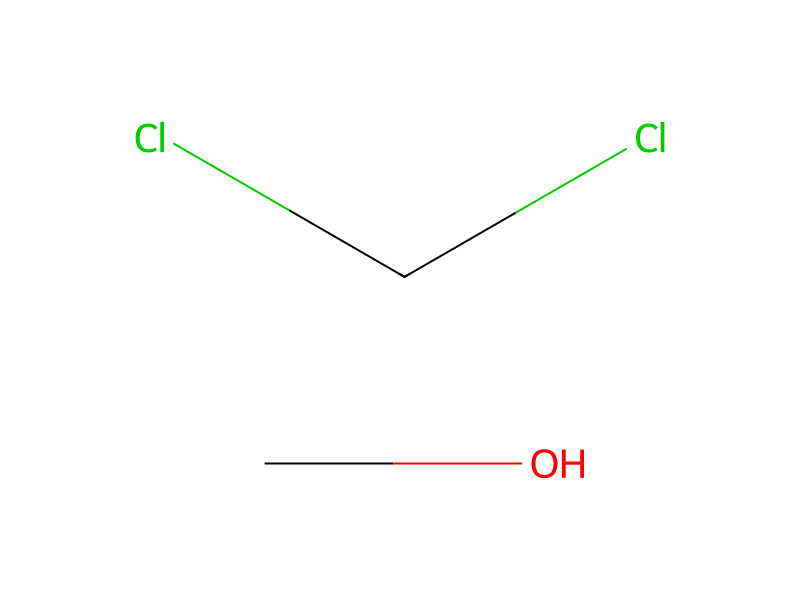
[Cl:1][C:2]1[CH:3]=[C:4]([CH:16]=[CH:17][C:18]=1[Cl:19])[CH2:5][O:6][C:7]1[CH:12]=[CH:11][C:10]([C:13](=[O:15])[CH3:14])=[CH:9][CH:8]=1.C1CNC(=O)C1.[Br:26][Br-]Br>CO.C(Cl)Cl>[Br:26][CH2:14][C:13]([C:10]1[CH:9]=[CH:8][C:7]([O:6][CH2:5][C:4]2[CH:16]=[CH:17][C:18]([Cl:19])=[C:2]([Cl:1])[CH:3]=2)=[CH:12][CH:11]=1)=[O:15]Komponenten
3
Edukt 1

Produkt 1

Reagenzien, Katalysatoren, Lösungsmittel 1
Versuchsvorschrift
1-[4-(3,4-Dichloro-benzyloxy)-phenyl]-ethanone (2.92 g) was dissolved in methanol:DCM (2:1, 75 mL) and pyrolidinone hydrotribromide (7.5 g) was added and stirred at room temperature for 2.5 h. After completion of the reaction, the mixture was concentrated in vacuo and poured into saturated sodium bicarbonate solution (100 mL) and extracted with ethyl acetate (2×100 mL). The organic extracts were combined and concentrated in vacuo. Then this residue was dissolved in DCM (10 ml) and methanol (10 mL) was slowly added to this solution to precipitate the product. The colored solution was filtered through to give clear white powder product 2-bromo-1-[4-(3,4-dichloro-benzyloxy)-phenyl]-ethanone with quantitative yield (3.75 g).