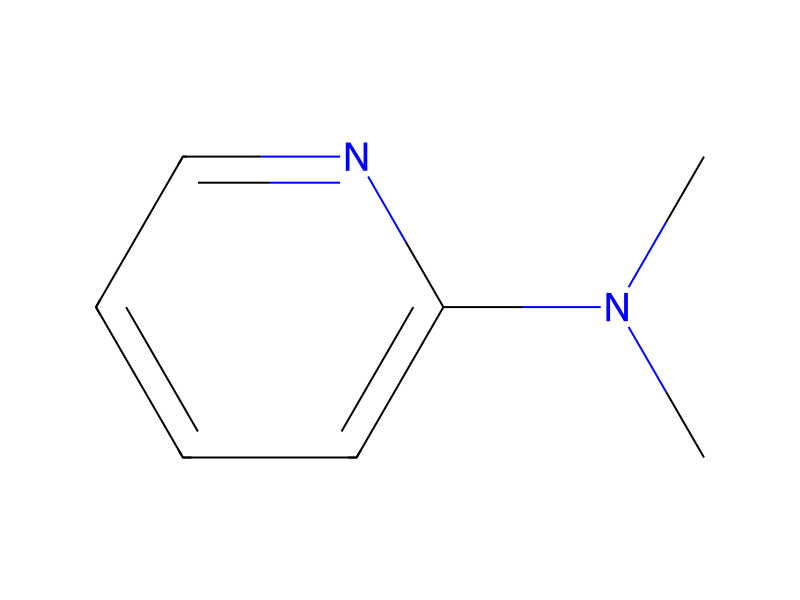
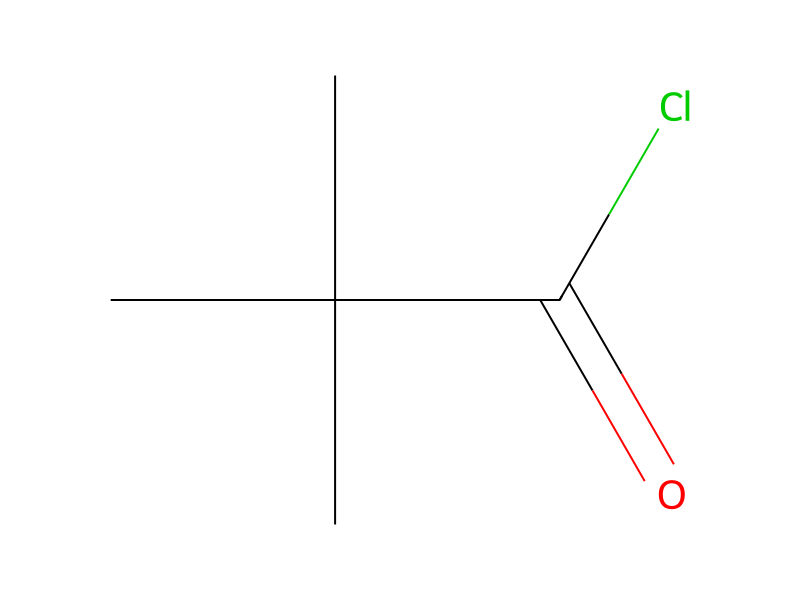
[OH:1][C@H:2]1[C:11](=[O:12])[C:10]2[CH:9]=[CH:8][N:7]3[CH:13]=[C:14]([CH3:16])[N:15]=[C:6]3[C:5]=2[NH:4][C@@H:3]1[C:17]1[CH:22]=[CH:21][CH:20]=[CH:19][CH:18]=1.C(N(CC)CC)C.CN(C1C=CC=CN=1)C.[C:39](Cl)(=[O:44])[C:40]([CH3:43])([CH3:42])[CH3:41]>ClCCl>[CH3:16][C:14]1[N:15]=[C:6]2[C:5]3[NH:4][C@H:3]([C:17]4[CH:18]=[CH:19][CH:20]=[CH:21][CH:22]=4)[C@@H:2]([O:1][C:39](=[O:44])[C:40]([CH3:43])([CH3:42])[CH3:41])[C:11](=[O:12])[C:10]=3[CH:9]=[CH:8][N:7]2[CH:13]=1To a of 0° C. cooled solution of 10.5 g (35.8 mmol) (8R,9R)-8-hydroxy-2-methyl-9-phenyl-7.8.9.10-tetrahydroimidazo[1.2-h][1.7]naphthyridin-7-one in dichloromethane (110 ml) is added 5.70 ml (41.2 mmol) triethylamine, 0.22 g (1.80 mmol) dimethylaminopyridine and 5.10 ml (41.2 mmol) pivaloyl chloride dissolved in dichloromethane (10 ml). The reaction is stirred for 2 h at 0° C. and warmed up to 25° C. and stirred for further 24 h. Afterwards 5.70 ml (41.2 mmol) triethylamine, 0.22 g (1.80 mmol) dimethylaminopyridine and 5.10 ml (41.2 mmol) pivaloyl chloride are added to this mixture and it is stirred for 18 h at 25° C. Subsequently the reaction is quenching by adding of water (100 ml). The organic layer is separated, washed with ammonia solution, washed with water two times, dried over sodium sulphate and evaporated in vacuo. The crude product is crystallised from 2-propanol to provide 12.1 g (32.06 mmol/90%) of the title compound as a colourless solid with a melting point of 145–147° C. (2-propanol).