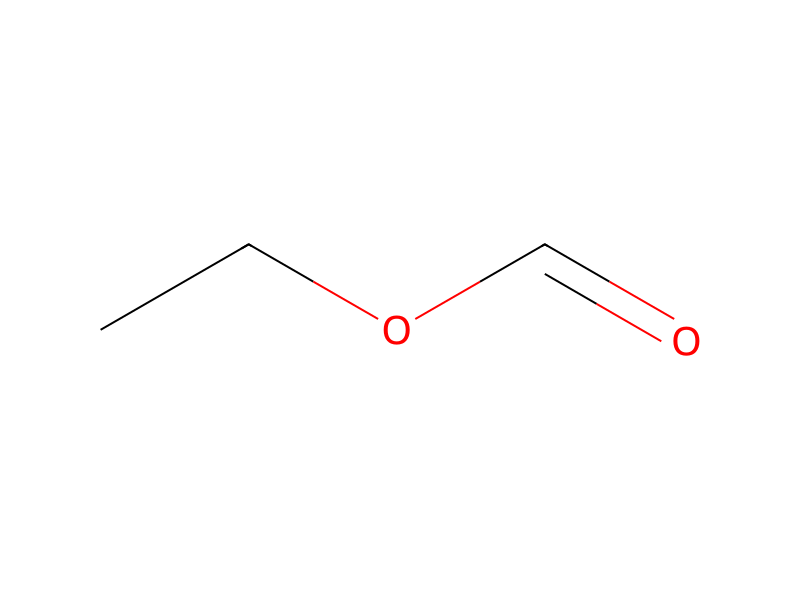
[CH2:1]([O:3][C:4](=[O:25])[CH2:5][C:6]1[N:7]([CH2:16][C:17]2[CH:22]=[CH:21][C:20]([O:23][CH3:24])=[CH:19][CH:18]=2)[CH:8]=[CH:9][C:10]=1[C:11]([O:13][CH2:14][CH3:15])=[O:12])[CH3:2].[H-].[Na+].[CH:28](OCC)=[O:29]>O1CCCC1>[CH2:1]([O:3][C:4]([C:5]([C:6]1[N:7]([CH2:16][C:17]2[CH:22]=[CH:21][C:20]([O:23][CH3:24])=[CH:19][CH:18]=2)[CH:8]=[CH:9][C:10]=1[C:11]([O:13][CH2:14][CH3:15])=[O:12])=[CH:28][OH:29])=[O:25])[CH3:2]Ethyl 2-[2-(ethyloxy)-2-oxoethyl]-1-{[4-(methyloxy)phenyl]methyl}-1H-pyrrole-3-carboxylate (6.1 g) in dry tetrahydrofuran (100 ml) was stirred at room temperature under argon. Sodium hydride (60% dispersion in mineral oil, 23.0 g) was added portionwise and stirring continued for 20 minutes after complete addition. Ethyl formate (3 ml) was added to the reaction mixture and stirred for 45 minutes after which time an exotherm was observed and controlled by cooling the reaction mixture to room temperature with an ice bath. The reaction mixture was stirred for a further 90 minutes then ethyl formate (3 ml) was added and the mixture stirred overnight. The reaction mixture was cooled in an ice bath and quenched by addition of the minimum amount of ethanol then evaporated. The residue was partitioned between ethyl acetate and saturated ammonium chloride, the aqueous layer was removed and acidified to pH 1 with a 2M solution of aqueous hydrochloric acid. The aqueous layer was extracted three times with ethyl acetate and the combined organic layers were washed with brine and dried (MgSO4). The solvent was evaporated to afford an oil consisting of two layers. The top layer was discarded and the lower layer isolated to afford the title compound as a brown oil (6.59 g).