Reaktionsgleichung

[NH2:1][C:2]1[CH:3]=[C:4]([CH:8]=[CH:9][C:10]=1[NH:11][CH:12]1[CH2:17][CH2:16][O:15][CH2:14][CH2:13]1)[C:5]([OH:7])=[O:6].[C:18]([Cl:21])(=O)[CH3:19].O1CCOCC1.Cl>O1CCOCC1>[ClH:21].[CH3:18][C:19]1[N:11]([CH:12]2[CH2:17][CH2:16][O:15][CH2:14][CH2:13]2)[C:10]2[CH:9]=[CH:8][C:4]([C:5]([OH:7])=[O:6])=[CH:3][C:2]=2[N:1]=1Komponenten
Edukt 3


Produkt 1

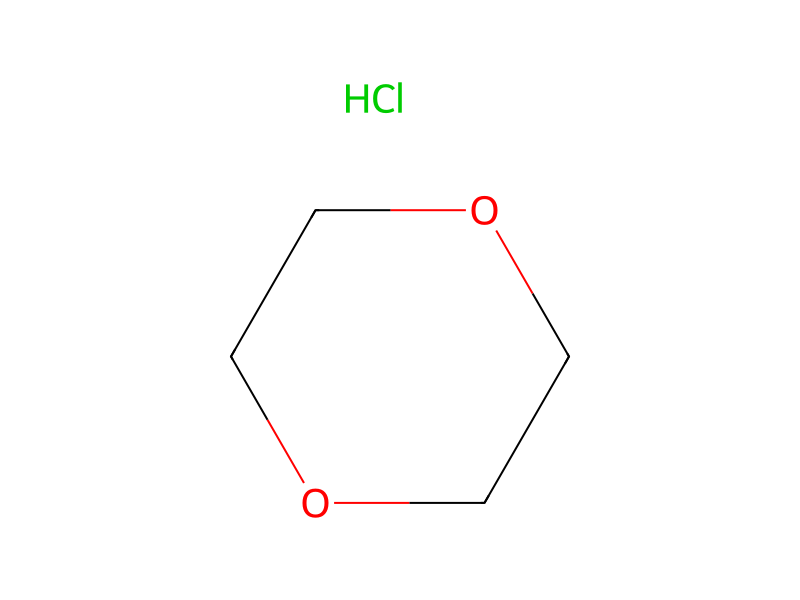
Reagenzien, Katalysatoren, Lösungsmittel 1

Reaktionsbedingungen
- Temperatur
- 10 °C
Versuchsvorschrift
3-Amino-4-((tetrahydropyran-4-yl)amino)benzoic acid (see Working Example 4-2) (90 g, 0.38 mol) was dissolved in dioxane (900 mL), and after cooling to 10° C., a solution of acetyl chloride (35.0 g, 0.45 mol) in dioxane (900 mL) was added dropwise over the course of 35 minutes. After heating to reflux with stirring for 2.5 h, another solution of acetyl chloride (15.8 g, 0.20 mol) in dioxane (200 mL) was added to the reaction solution, and this was further heated to reflux with stirring for 3 hours. Next, a 4N HCl dioxane solution (100 mL) was added, and after heating to reflux with stirring for 8 h, this was allowed to cool to room temperature, the solid obtained was filtered off and washed with hexane to yield the title compound (105 g, quant.) as a light purple solid.
Aufarbeitung
- temperatureAfter heating
- temperatureto reflux
- temperaturethis was further heated
- temperatureto reflux
- stirringwith stirring for 3 hours
- temperatureafter heating
- temperatureto reflux
- stirringwith stirring for 8 h
- temperatureto cool to room temperature
- customthe solid obtained
- filtrationwas filtered off
- washwashed with hexane
Quellen und Nachweise
- ORD-Eintrag
- ord-c529147e2378423195e9ae0159b4dc6e
- Quelldatensatz
- uspto-grants-2014_09
- Patentnummer
- US08829035B2
Verknüpfte Notizen
Wird geladen…