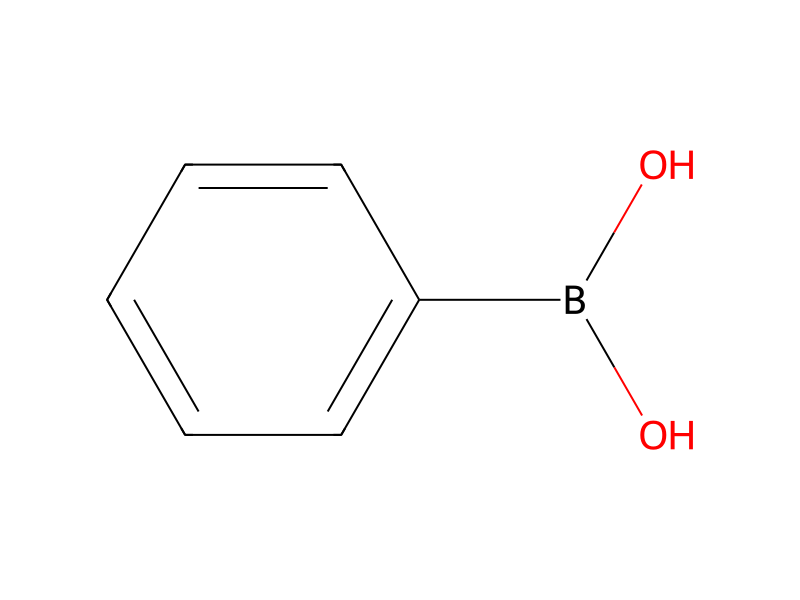
[Cl:1][C:2]1[NH:10][C:5]2=[N:6][CH:7]=[CH:8][CH:9]=[C:4]2[C:3]=1[CH:11]=[O:12].[C:13]1(B(O)O)[CH:18]=[CH:17][CH:16]=[CH:15][CH:14]=1.C(N(CC)CC)C.N1C=CC=CC=1>ClCCl>[Cl:1][C:2]1[N:10]([C:13]2[CH:18]=[CH:17][CH:16]=[CH:15][CH:14]=2)[C:5]2=[N:6][CH:7]=[CH:8][CH:9]=[C:4]2[C:3]=1[CH:11]=[O:12]A mixture of 2-chloro-1H-pyrrolo[2,3-b]pyridine-3-carboxaldehyde (70 mg, 0.39 mmol) cupric acetate (140 mg, 0.77 mmol), phenylboronic acid (93 mg, 0.76 mmol), 4A molecular sieve (200 mg), triethylamine (106 μL), pyridine (61 μL) and dichloromethane (5.5 mL) is vigorously stirred at room temperature for 48 hr. The solids are removed by filtration through a pad of Hi-Flo and the filtrate is concentrated. The residue is purified by chromatography eluting with dichloromethane-2% methanol. Product containing fractions are combined and concentrated to give 2-chloro-1-phenyl-1H-pyrrolo[2,3-b]pyridine-3-carboxaldehyde (25 mg, 25% yield) as a pale yellow oil.