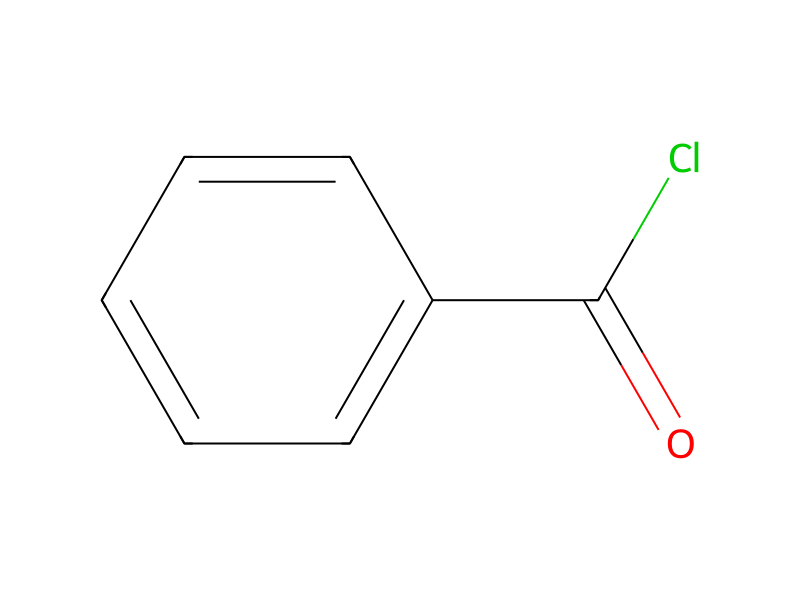
Benzoyl chloride → HCID 54569884, Verbindung
HRID 847740
Reaktionsgleichung

[N:1]1([CH2:7][C:8]2[CH:9]=[C:10]([CH:20]=[CH:21][CH:22]=2)[O:11][CH2:12][CH2:13][CH2:14][NH:15][C:16](=[O:19])[CH2:17][OH:18])[CH2:6][CH2:5][CH2:4][CH2:3][CH2:2]1.[C:23](Cl)(=[O:30])[C:24]1[CH:29]=[CH:28][CH:27]=[CH:26][CH:25]=1>N1C=CC=CC=1>[N:1]1([CH2:7][C:8]2[CH:9]=[C:10]([CH:20]=[CH:21][CH:22]=2)[O:11][CH2:12][CH2:13][CH2:14][NH:15][C:16](=[O:19])[CH2:17][O:18][C:23](=[O:30])[C:24]2[CH:29]=[CH:28][CH:27]=[CH:26][CH:25]=2)[CH2:6][CH2:5][CH2:4][CH2:3][CH2:2]1Komponenten
4
Edukt 2

Produkt 1

Reagenzien, Katalysatoren, Lösungsmittel 1

Versuchsvorschrift
150 mg of N-[3-[3-(1-piperidinylmethyl)phenoxy]propyl]hydroxyacetamide was dissolved in 0.5 ml of pyridine, and 150 mg of benzoyl chloride was added dropwise to the solution under ice cooling. After the addition, the mixture was stirred at room temperature for 2 hours. The solvent was distilled off and water was added. The mixture was alkalized with aqueous ammonia, and extracted with ethyl acetate. The extract was dried over anhydrous magnesium sulfate, and the solvent was distilled off. The residue was separated and purified by TLC (developing solvent: chloroform/methanol=19/l) to afford 165 mg of N-[3-[3-(1-piperidinylmethyl)phenoxy]propyl]benzoyloxyacetamide.