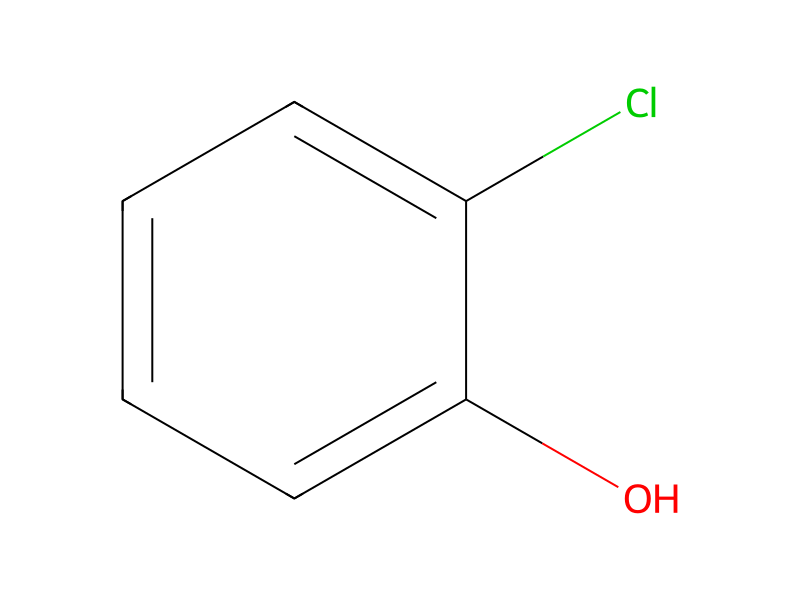
2-Chlorophenol → Cis-4-(2-chlorophenoxy)-1-ethoxycarbonyl-3-phenylpiperidine
HRID 851063
Reaktionsgleichung

[CH2:1]([O:3][C:4]([N:6]1[CH2:11][CH2:10][C@@H:9]([OH:12])[C@H:8]([C:13]2[CH:18]=[CH:17][CH:16]=[CH:15][CH:14]=2)[CH2:7]1)=[O:5])[CH3:2].C1(P(C2C=CC=CC=2)C2C=CC=CC=2)C=CC=CC=1.[Cl:38][C:39]1[CH:44]=[CH:43][CH:42]=[CH:41][C:40]=1O.N(C(OCC)=O)=NC(OCC)=O>C1C=CC=CC=1>[Cl:38][C:39]1[CH:44]=[CH:43][CH:42]=[CH:41][C:40]=1[O:12][C@H:9]1[CH2:10][CH2:11][N:6]([C:4]([O:3][CH2:1][CH3:2])=[O:5])[CH2:7][C@H:8]1[C:13]1[CH:14]=[CH:15][CH:16]=[CH:17][CH:18]=1Komponenten
6