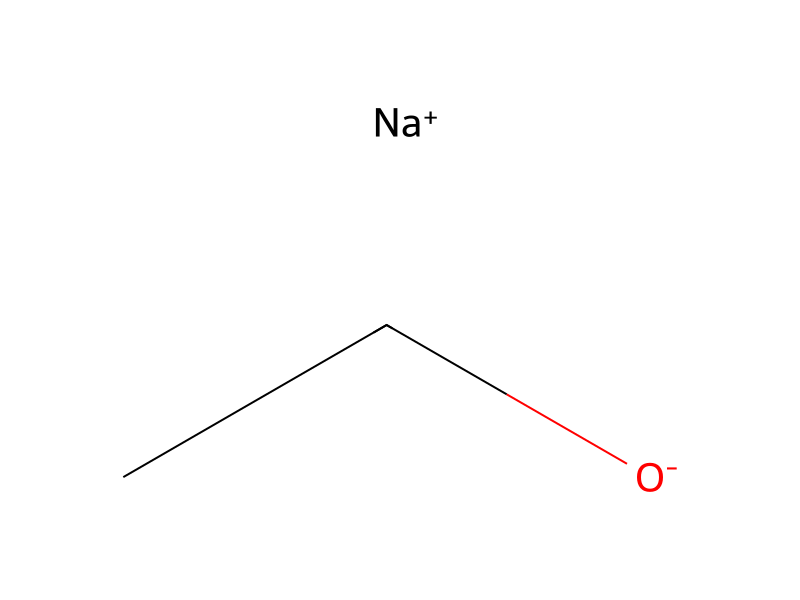
To a solution of 6-bromo-4-chloroquinoline (17 g, 70.10 mmol) in ethanol (400 mL) was added sodium ethoxide (23.85 g, 350.5 mmol) at room temperature. Then, the reaction mixture was heated to 120° C. for 15 h in a sealed reaction flask. After cooling to room temperature, the ethanol was removed under the vacuum and the residue was diluted with water. The aqueous suspension was neutralized with 3.0N hydrochloric acid until the precipitate formed and later it was diluted with saturated sodium bicarbonate solution. Then, the solids were collected by filtration and washed with water. After drying in air, 15.94 g (90.2% yield) of 6-bromo-4-ethoxy-quinoline was isolated as a white solid which can be crystallized from acetonitrile: EI-HRMS m/e calcd for C11H10BrNO (M+) 250.9946, found 250.9946.