Hydrochloric Acid → 2-(chloromethyl)-3H,4H-thieno[3,2-d]pyrimidin-4-one
HRID 858737
Reaktionsgleichung

C1(C2(CCC3C=CC(C4(C#N)CC4)=C(F)C=3)CC(=O)C(CC3N=C4N=CC=CN4N=3)C(=O)O2)CCCC1.C1(C2(CCC3C=CC(C(C)(C)C#N)=C(F)C=3)CC(=O)CC(=O)O2)CCCC1.[Cl:65][CH2:66][C:67]#[N:68].[NH2:69][C:70]1[CH:74]=[CH:73][S:72][C:71]=1[C:75]([O:77]C)=O.Cl>O1CCOCC1>[Cl:65][CH2:66][C:67]1[NH:68][C:75](=[O:77])[C:71]2[S:72][CH:73]=[CH:74][C:70]=2[N:69]=1Komponenten
7
Edukt 5
 HCID 313Hydrochloric Acid
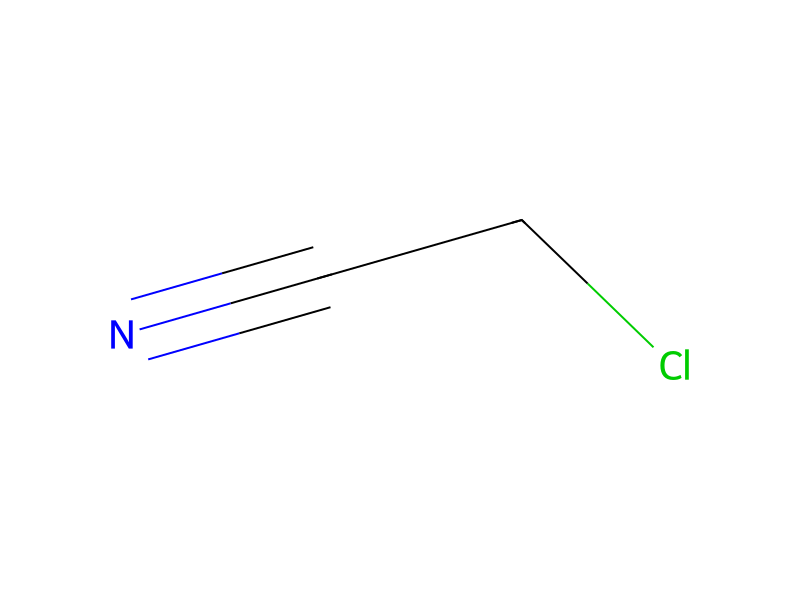 HCID 7856Chloroacetonitrile
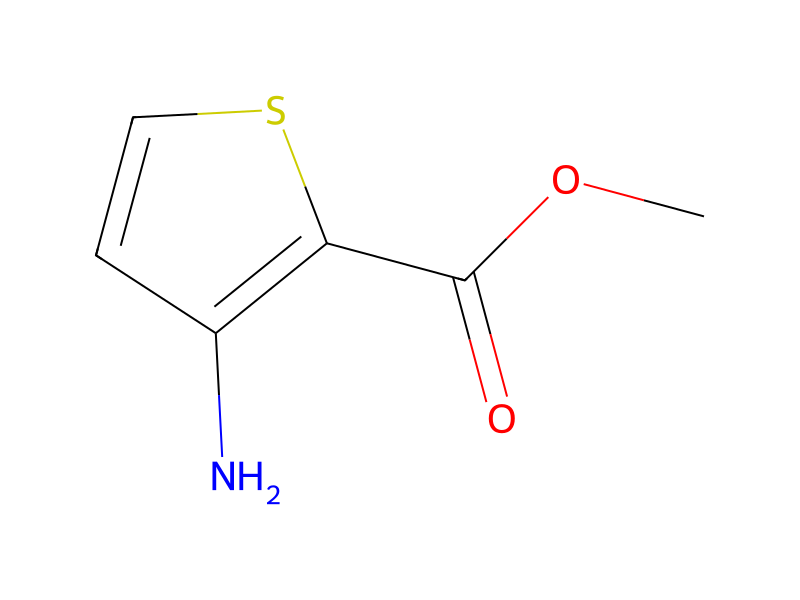 HCID 89652Methyl 3-amino-2-thiophenecarboxylate
 HCID 587624232-{4-[2-(2-cyclopentyl-4,6-dioxotetrahydro-2H-pyran-2-yl)ethyl]-2-fluorophenyl)-2-methylpropanenitrile
 HCID 68865868{4-[2-(2-Cyclopentyl-4,6-dioxo-5-[1,2,4]triazolo[1,5-a]pyrimidin-2-ylmethyl-tetrahydro-pyran-2-yl)-ethyl]-2-fluoro-phenyl}-cyclopropanecarbonitrile

