StartseiteMCPWorkbenchSkills
StartseiteWorkbenchBenachrichtigungenMein Bereich
llms.txt · MCP-AnleitungDatenschutz · Nutzungsbedingungen · Supportv1.8.3
  1. Startseite
  2. /Reaktion

Phosphorus tribromide → 2-Bromo-4-[3-(4-fluorophenoxy)phenyl]-3-butyne

HRID 861685
Drucken

Reaktionsgleichung

Reaktionsgleichung von HRID 861685
P(Br)(Br)[Br:2].[F:5][C:6]1[CH:23]=[CH:22][C:9]([O:10][C:11]2[CH:12]=[C:13]([C:17]#[C:18][CH:19](O)[CH3:20])[CH:14]=[CH:15][CH:16]=2)=[CH:8][CH:7]=1>>[Br:2][CH:19]([C:18]#[C:17][C:13]1[CH:14]=[CH:15][CH:16]=[C:11]([O:10][C:9]2[CH:22]=[CH:23][C:6]([F:5])=[CH:7][CH:8]=2)[CH:12]=1)[CH3:20]
KomponentenReaktionsbedingungenVersuchsvorschriftAufarbeitungQuellen und NachweiseNotizen zur Reaktion

Komponenten

3

Edukt 2

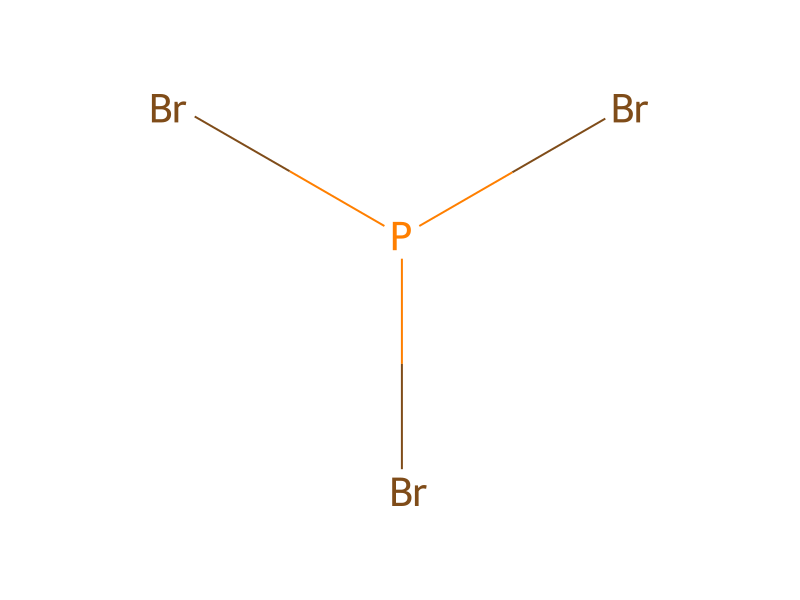
HCID 24614Phosphorus tribromideHCID 197045224-[3-(4-Fluorophenoxy)phenyl]but-3-yn-2-ol2×

Produkt 1

HCID 108601322-Bromo-4-[3-(4-fluorophenoxy)phenyl]-3-butyne

Reaktionsbedingungen

Temperatur
15 °C

Versuchsvorschrift

The solution of 4-[3-(4-fluorophenoxy)phenyl]-3-butyn-2-ol in methyl t-butyl ether prepared in step 1 was cooled to 0°-10° C. and PBr3 (7.6 kg) was added slowly to maintain the reaction temperature under 15° C. The reaction mixture was agitated for 2 hours and then was quenched by the addition of chilled distilled water (25 kg). The layers were separated and the organic phase was diltuted with methyl t-butyl ether, washed with distilled water and 5% aqueous NaHCO3, and concentrated in vacuo to give 2-bromo-4-[3-(4-fluorophenoxy)phenyl]-3-butyne.

Aufarbeitung

  1. customwas quenched by the addition
  2. temperatureof chilled
  3. distillationdistilled water (25 kg)
  4. customThe layers were separated
  5. washwashed with distilled water and 5% aqueous NaHCO3
  6. concentrationconcentrated in vacuo

Quellen und Nachweise

ORD-Eintrag
ord-0b623028dce44450825c0316cbedb8b3
Quelldatensatz
uspto-grants-1998_02
DOI
10.6084/m9.figshare.5104873.v1
Patentnummer
US05714633

Notizen zur Reaktion

Auf dieser SeiteKomponentenReaktionsbedingungenVersuchsvorschriftAufarbeitungQuellen und NachweiseNotizen zur Reaktion