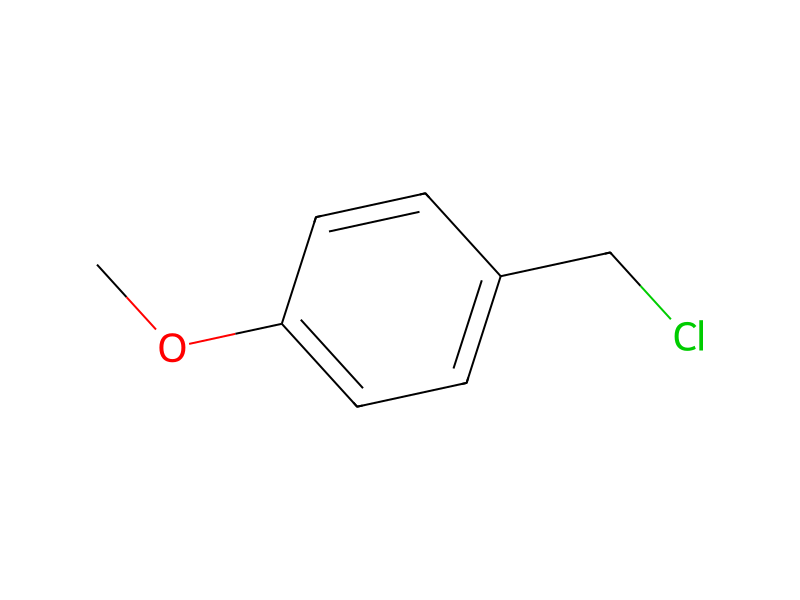
To a stirred solution of 4-bromo-2,3-difluorophenol (5 g, 23.92 mmol) in acetonitrile (50 mL) was added potassium carbonate (3.31 g, 23.92 mmol) at room temperature and the reaction mixture was stirred for 5 min followed by the addition of 1-(chloromethyl)-4-methoxybenzene (3.75 g, 23.92 mmol) dropwise then the reaction mixture was stirred at room temperature for 16 h. After the completion of reaction, the volatiles were removed under reduced pressure. Water (100 mL) was added and the solution extracted with ethyl acetate (2×120 mL). The combined organic layers were washed with brine (100 mL), dried over sodium sulphate, filtered and concentrated under reduced pressure to afford 1-bromo-2,3-difluoro-4-((4-methoxybenzyl)oxy)benzene (7.58 g, 23.03 mmol, 96% yield) as a pale brown solid. The product was carried on without further purification. LCMS (ESI) m/e 329.1 [(M)−, calcd for C14H10BrF2O2 329.0]; LC/MS retention time (Method G): tR=1.20 min.