Methanol → HCID 67479240, Verbindung
HRID 874087
Reaktionsgleichung

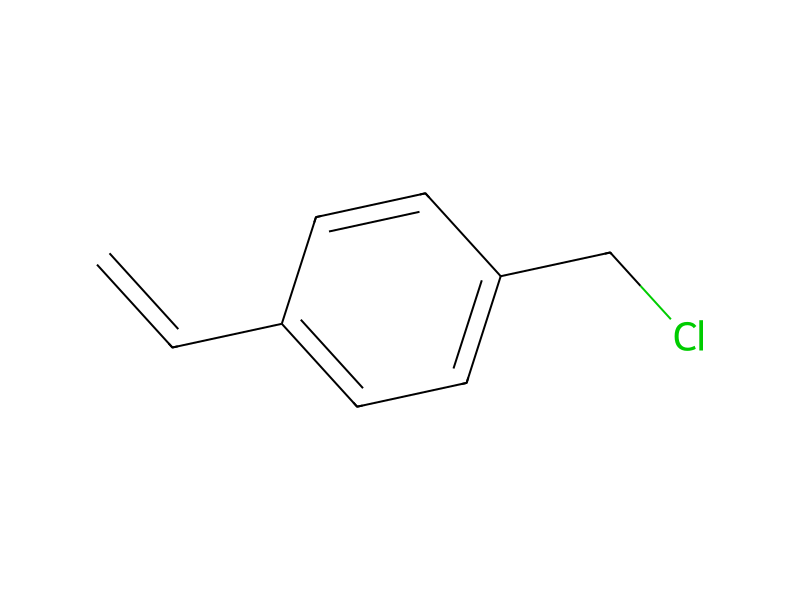
[CH:1]([C:3]1[CH:10]=[CH:9][C:6](CCl)=[CH:5][CH:4]=1)=[CH2:2].[NH2:11][CH2:12][CH2:13][NH:14][CH2:15][CH2:16][CH2:17][Si:18]([O:25][CH2:26][CH3:27])([O:22][CH2:23][CH3:24])[O:19][CH2:20][CH3:21].[CH3:28]O>>[CH:2]([CH2:28][N:14]([CH2:13][CH2:12][NH2:11])[CH2:15][CH2:16][CH2:17][Si:18]([O:25][CH2:26][CH3:27])([O:19][CH2:20][CH3:21])[O:22][CH2:23][CH3:24])=[CH:1][C:3]1[CH:4]=[CH:5][CH:6]=[CH:9][CH:10]=1Komponenten
4



Versuchsvorschrift
14 g (0.1 mol) of 4-vinylbenzyl chloride is added with stirring and at +20° C. under nitrogen atmosphere to a solution of N-(2-aminoethyl)-3-aminopropyltriethoxysilane (26.4 g, 0.1 mol) in methanol (40 g). The temperature of the mixture is raised to reflux and maintained until the reactants have been consumed completely (3 hours). After the temperature of the reaction mixture has returned to +20° C., the methanol is evaporated and the residue is taken up in 50 mL of toluene. The salts are filtered. 15 g of potassium carbonate is added to the filtrate to neutralize the residual ammonium hydrochloride. After stirring at +20° C. for 1 hour, the salts are filtered and the solvent is evaporated under vacuum. 26.4 g of the desired product are then isolated.