Ammonium Chloride → HCID 178425832, Verbindung
HRID 883034
Reaktionsgleichung

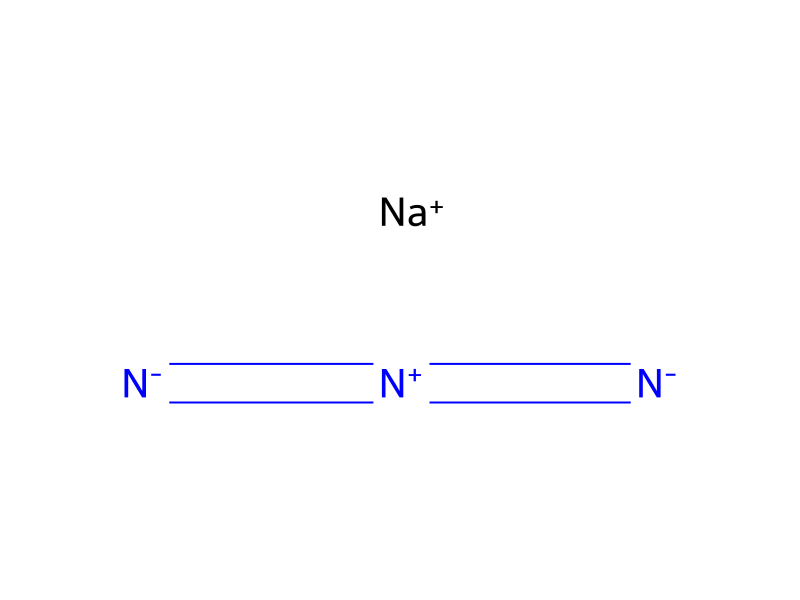
[C:1]([C:3]1[C:4]([NH:9][C:10]2[CH:11]=[C:12]([CH:25]=[CH:26][C:27]=2[CH3:28])[C:13]([NH:15][C:16]2[CH:21]=[CH:20][CH:19]=[C:18]([CH:22]([CH3:24])[CH3:23])[CH:17]=2)=[O:14])=[N:5][CH:6]=[CH:7][CH:8]=1)#[N:2].[N-:29]=[N+:30]=[N-:31].[Na+].[Cl-].[NH4+]>CN(C=O)C>[NH:29]1[C:1]([C:3]2[C:4]([NH:9][C:10]3[CH:11]=[C:12]([CH:25]=[CH:26][C:27]=3[CH3:28])[C:13]([NH:15][C:16]3[CH:21]=[CH:20][CH:19]=[C:18]([CH:22]([CH3:24])[CH3:23])[CH:17]=3)=[O:14])=[N:5][CH:6]=[CH:7][CH:8]=2)=[N:2][N:31]=[N:30]1Komponenten
5