Reaktionsgleichung

[C:1]([C:5]1[CH:10]=[C:9]([CH2:11]OC)[CH:8]=[C:7]([C:14]([CH3:17])([CH3:16])[CH3:15])[C:6]=1[OH:18])([CH3:4])([CH3:3])[CH3:2].C(C1[CH:28]=[C:27]([CH2:29][OH:30])[CH:26]=C(C(C)(C)C)C=1O)(C)(C)C.C(=O)C(C)C>[OH-].[K+]>[C:1]([C:5]1[CH:10]=[C:9]([CH2:11][C:27]([CH3:28])([CH3:26])[CH:29]=[O:30])[CH:8]=[C:7]([C:14]([CH3:16])([CH3:17])[CH3:15])[C:6]=1[OH:18])([CH3:3])([CH3:4])[CH3:2]Komponenten
5
Edukt 3
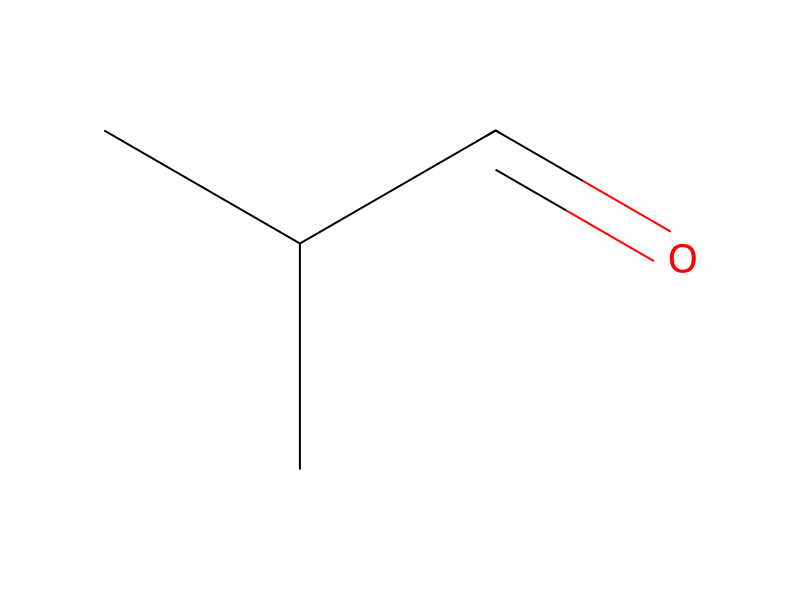

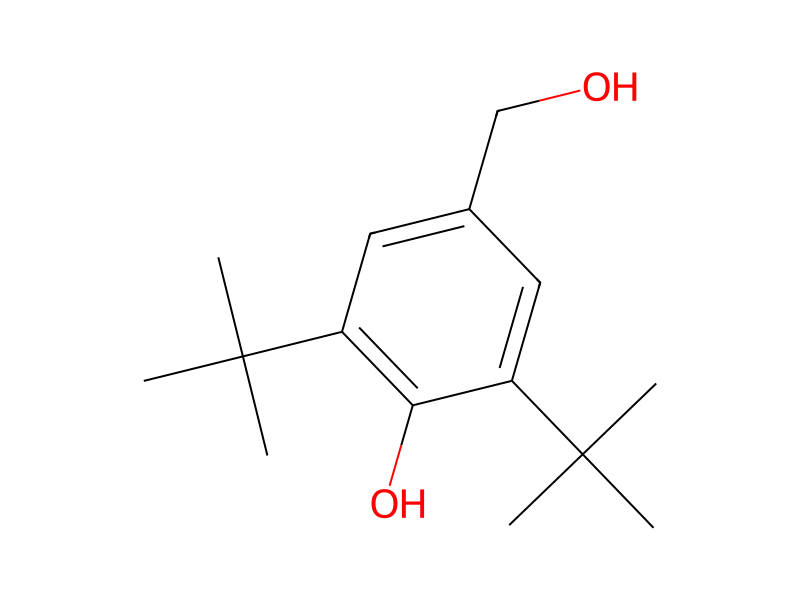
Produkt 1

Reagenzien, Katalysatoren, Lösungsmittel 1

Versuchsvorschrift
A process comprising reacting 2,6-di-tert.butyl-4-methoxymethylphenol or 2,6-di-tert.butyl-4-hydroxymethylphenol with isobutyraldehyde in the presence of potassium hydroxide as a catalyst to yield 3-(3,5-di-tert.butyl-4-hydroxyphenyl)-2,2-dimethylpropionaldehyde.
Quellen und Nachweise
- ORD-Eintrag
- ord-8a26cd48aba64e44b26807329734dfbf
- Quelldatensatz
- uspto-grants-1981_08
- Patentnummer
- US04284823
Verknüpfte Notizen
Wird geladen…