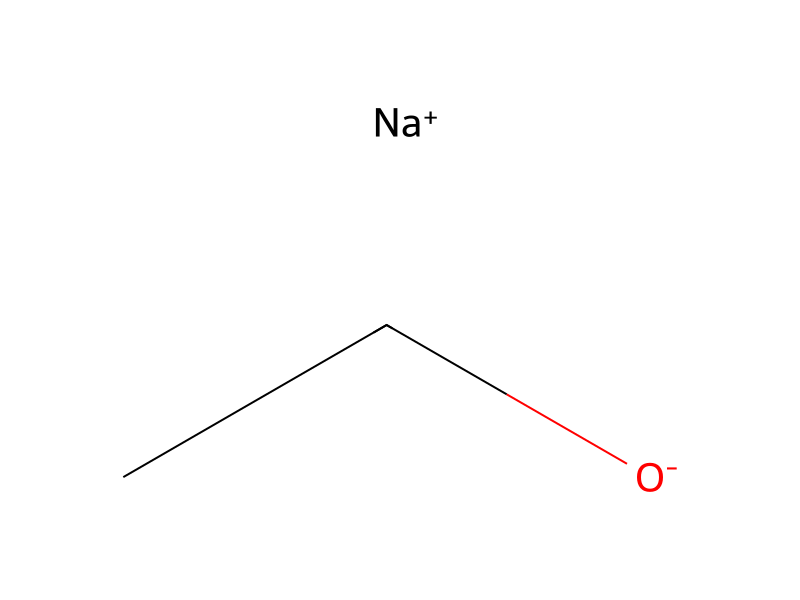
A solution of oxalyl chloride (Aldrich) (3.91 g, 30.19 mmoles) in dichloromethane (5 mL) was added in several portions to a stirred, ice-bath cooled solution of diisopropylformamide (Aldrich) (4.09 g, 31.02 mmoles) in dichloromethane (100 mL). The ice-bath was removed, and the clear solution was stirred at ambient temperature for 15 minutes. Solid 5-(2,4-dichlorophenoxy)-isocytosine (2,24 g, 8.23 mmoles) was added, and the mixture was refluxed with stirring for 0.5 hour. The resultant solution was cooled and poured into a cold solution of vigorous stirred, saturated aqueous sodium bicarbonate (150 mL). The layers were separated, and the organic phase was washed with cold saturated aqueous sodium bicarbonate (100 mL), with cold water (100 mL) and then dried over sodium sulfate. The dry solution was spin evaporated in vacuo to give the intermediate 4-chloro-5-(2,4-dichlorophenoxy)-2-(diisopropylaminomethyleneamino)pyrimidine as a syrup. The syrup was dissolved in ethanol (100 mL) and trans-4-hydroxycyclohexylamine hydrochloride (Aldrich) (4.97 g, 31.79 mmoles) was added. A solution of sodium ethoxide, which has been prepared from sodium hydride (60% in mineral oil) (Aldrich) (1.19 g, 29.75 mmoles) and ethanol (25 mL) was added, and the reaction was refluxed with stirring for 66 hours. Concentrated hydrochloric acid (21 mL) was added to the cooled reaction mixture, and the reaction was refluxed with stirring for 4 hours. The volatiles were removed by spin evaporation in vacuo. The residue was dissolved in water (200 mL) and extracted with dichloromethane (3×80 mL). The pH of the aqueous solution was adjusted to 8 with 2 M sodium hydroxide. The gummy residue that precipitated was dissolved in dichloromethane (100 mL). The aqueous phase was extracted with dichloromethane (100 mL), and the combined organic extracts were washed with water (5×80 mL), dried over sodium sulfate and spin evaporated in vacuo to a foam. This material was dissolved in ethyl acetate and chromatographed on Silica Gel 60 (E. M. Science, 230-440 mesh) (12×4 cm column bed) using ethyl acetate as the eluent for the first 750 mL and then with 5% ethanol in ethyl acetate. The fractions that contained homogeneous product were spin evaporated in vacuo to give a syrup. The pure 2-amino-5-(2,4-dichlorophenoxy)-4-(trans-4-hydroxycyclohexylamino)pyrimidine was converted to the hydrochloride by the same procedure described in Example 4. Repeated spin evaporation of the residue under ethanol, than ethyl acetate and finally hexanes gave 1.42 g (42% yield) of 2-amino-5-(2,4-dichlorophenoxy)-4-(trans-4-hydroxycyclohexylamino)pyrimidine hydrochloride as a fluffy solid, mp 138-145° C.