Reaktionsgleichung

[OH:1][C:2]1[CH:7]=[CH:6][C:5]([CH2:8][C:9]([OH:11])=[O:10])=[CH:4][CH:3]=1.[OH-].[K+].[CH3:14][O:15][C:16](=[O:25])[C:17]1[CH:22]=[CH:21][CH:20]=[CH:19][C:18]=1[CH2:23]Br>C(O)C>[CH3:14][O:15][C:16]([C:17]1[CH:22]=[CH:21][CH:20]=[CH:19][C:18]=1[CH2:23][O:1][C:2]1[CH:3]=[CH:4][C:5]([CH2:8][C:9]([OH:11])=[O:10])=[CH:6][CH:7]=1)=[O:25]Komponenten
Edukt 3
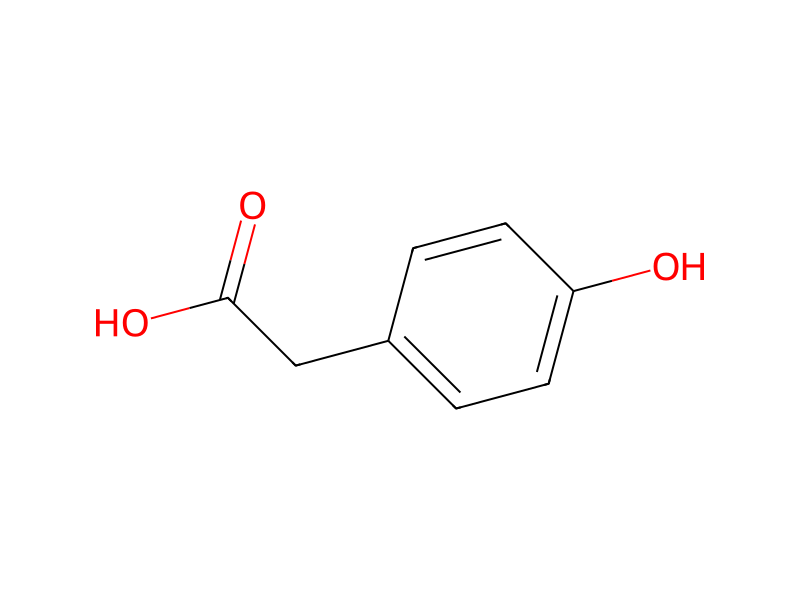

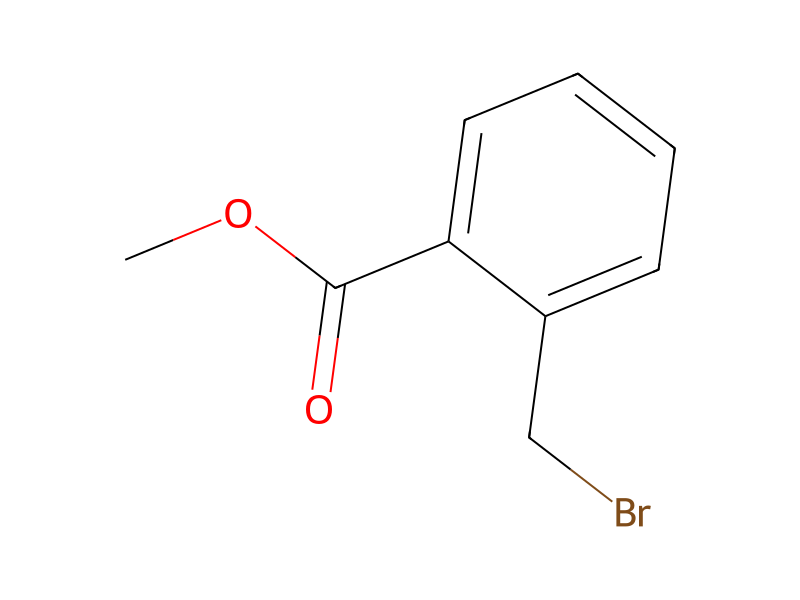
Produkt 1

Reagenzien, Katalysatoren, Lösungsmittel 1

Versuchsvorschrift
4-Hydroxyphenylacetic acid (760 mg, 4.995 mmol) was dissolved in ethanol (99.5%, 20 ml). Potassium hydroxide (560.5 mg, 9.99 mmol) was added. The mixture was stirred at room temperature for 30 minutes. 2-Bromomethylbenzoic acid methyl ester (1144.2 mg, 4.995 mmol) was then dropped in. The resulting mixture was heated to reflux for 2 hours and then evaporated in vacuum to dry. Water and ethyl acetate were added into the residue and the phases were separated. The water phase was acidified with 10% hydrochloric acid, pH˜5, and then extracted with ethyl acetate. The organic phase was dried with magnesium sulphate and evaporated in vacuum to dry. Chromatography of the residue on a column (ISOLUTE® SI, 5 g/6 ml) using DCM, MeOH/DCM (1:99) as eluant gave the desired product (262 mg), yield 17.5%.
Aufarbeitung
- temperatureThe resulting mixture was heated
- temperatureto reflux for 2 hours
- customevaporated in vacuum
- customto dry
- additionWater and ethyl acetate were added into the residue
- customthe phases were separated
- extractionextracted with ethyl acetate
- dry with materialThe organic phase was dried with magnesium sulphate
- customevaporated in vacuum
- customto dry
Quellen und Nachweise
- ORD-Eintrag
- ord-bfa187513f6b4568a95bd65ebf51f325
- Quelldatensatz
- uspto-grants-2008_04
- Patentnummer
- US07355069B2
Verknüpfte Notizen
Wird geladen…