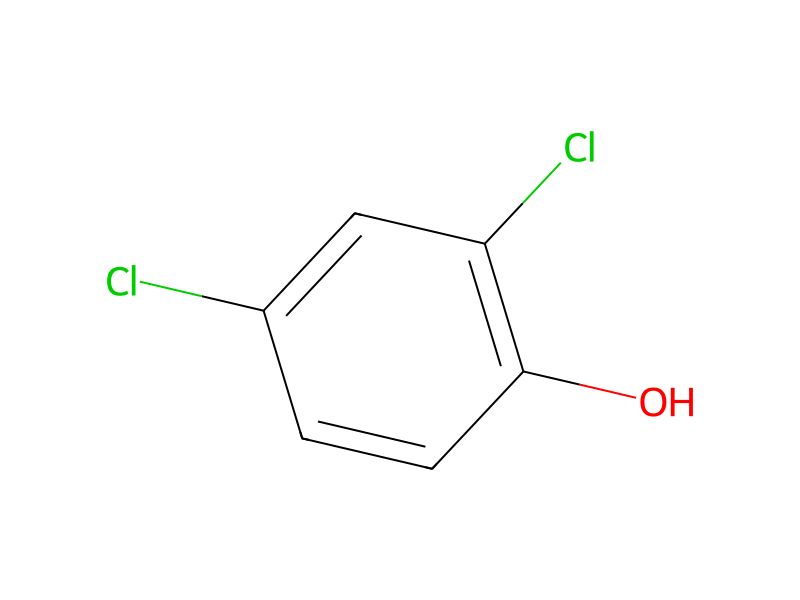
A solution of 197 g (1 mol) of 1-bromo-3,3-dimethyl-4-fluoro-2-butanone in 100 ml of acetone was added dropwise, at the boiling point, to 140 g (1 mol) of potassium carbonate and 163 g (1 mol) of 2,4-dichlorophenol in 1,000 ml of acetone. The mixture was stirred under reflux for 20 hours, cooled and filtered. The filtrate was concentrated by distilling off the acetone under a waterpump vacuum. The residue was dissolved in 500 ml of toluene, washed with 500 ml of 10% strength sodium hydroxide solution and with two 250 ml portions of water, dried over sodium sulphate and concentrated by distilling off the toluene under a waterpump vacuum. 244.6 g (88% of theory) of 1-(2,4-dichlorophenoxy)-3,3-dimethyl-4-fluoro-2-butanone were obtained as a highly viscous oil which could be further reacted in crude form.