(R)-4-(4-trifluoromethoxy-benzenesulfonyl)-3-(4-trifluoromethoxy-benzylcarbamoyl)-piperazine-1-carboxylic acid tert-butyl ester → (R)-1-(4-trifluoromethoxy-benzenesulfonyl)-piperazine-2-carboxylic acid 4-trifluoromethoxy-benzylamide
HRID 908604
Reaktionsgleichung

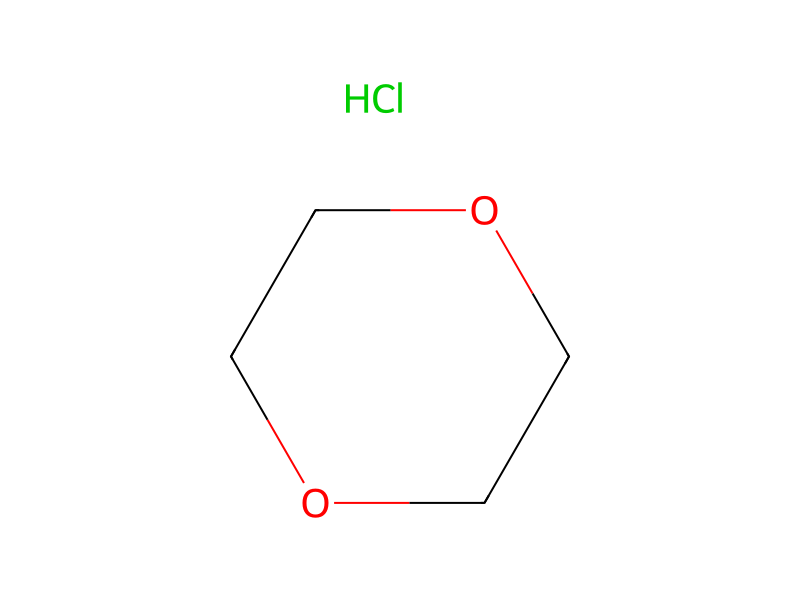
C(OC([N:8]1[CH2:13][CH2:12][N:11]([S:14]([C:17]2[CH:22]=[CH:21][C:20]([O:23][C:24]([F:27])([F:26])[F:25])=[CH:19][CH:18]=2)(=[O:16])=[O:15])[C@@H:10]([C:28](=[O:42])[NH:29][CH2:30][C:31]2[CH:36]=[CH:35][C:34]([O:37][C:38]([F:41])([F:40])[F:39])=[CH:33][CH:32]=2)[CH2:9]1)=O)(C)(C)C>Cl.O1CCOCC1>[F:41][C:38]([F:39])([F:40])[O:37][C:34]1[CH:33]=[CH:32][C:31]([CH2:30][NH:29][C:28]([C@H:10]2[CH2:9][NH:8][CH2:13][CH2:12][N:11]2[S:14]([C:17]2[CH:22]=[CH:21][C:20]([O:23][C:24]([F:25])([F:26])[F:27])=[CH:19][CH:18]=2)(=[O:15])=[O:16])=[O:42])=[CH:36][CH:35]=1Komponenten
3
Edukt 1

Produkt 1

Reagenzien, Katalysatoren, Lösungsmittel 1
Versuchsvorschrift
4N Hydrogen chloride/1,4-dioxane solution (40 ml) was added to the compound (2.20 g) obtained in Step 3, and the mixture was stirred at room temperature for 1.5 hr. The reaction mixture was concentrated under reduced pressure, and the residue was partitioned by adding chloroform and saturated aqueous sodium hydrogen carbonate solution. The organic layer was dried over anhydrous sodium carbonate, filtrated, and concentrated under reduced pressure. The residue was crystallized from a mixed solvent of diisopropyl ether and n-hexane, collected by filtration and dried to give the title compound (1.57 g).