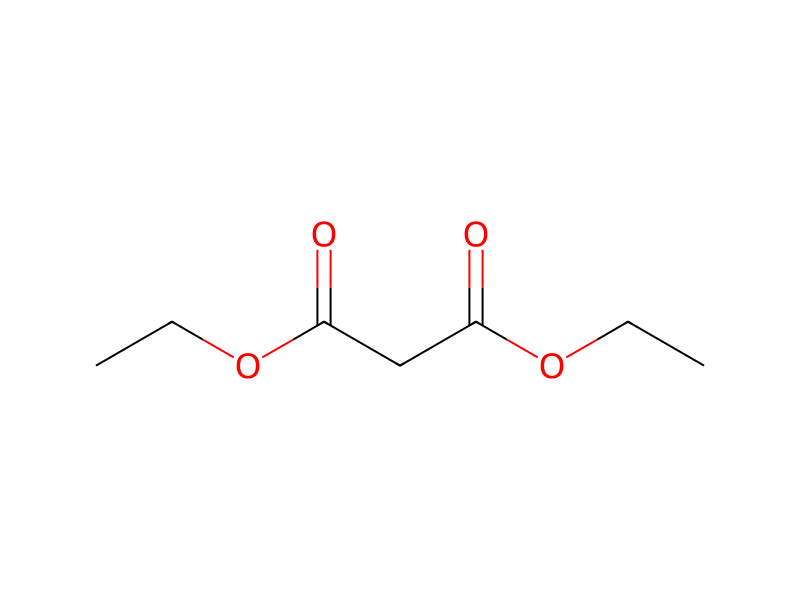
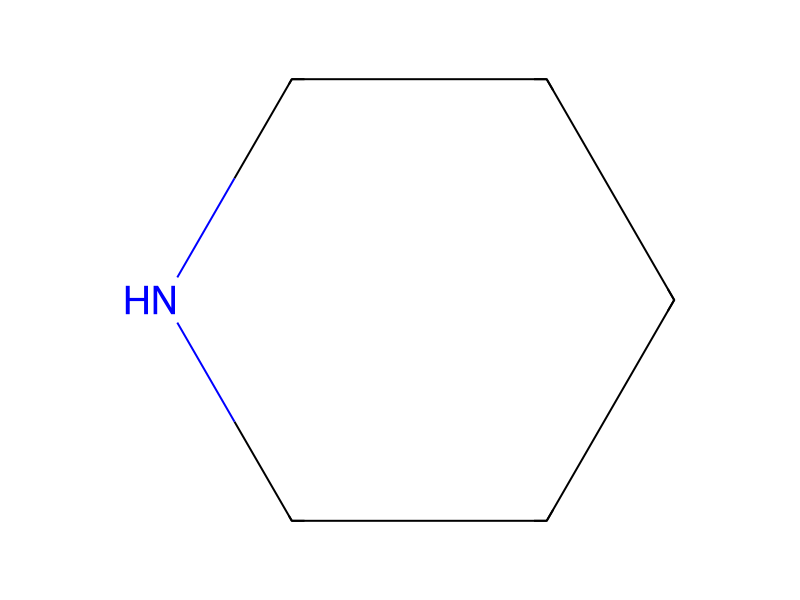
[NH2:1][C:2]1[N:6]([C:7]2[C:12]([F:13])=[CH:11][CH:10]=[CH:9][C:8]=2[F:14])[N:5]=[CH:4][C:3]=1[CH:15]=O.NC1N(C2C=CC=CC=2Cl)N=CC=1C=O.C(O)C.[C:35](OCC)(=[O:42])[CH2:36][C:37]([O:39][CH2:40][CH3:41])=[O:38].N1CCCCC1>>[F:13][C:12]1[CH:11]=[CH:10][CH:9]=[C:8]([F:14])[C:7]=1[N:6]1[C:2]2[NH:1][C:35](=[O:42])[C:36]([C:37]([O:39][CH2:40][CH3:41])=[O:38])=[CH:15][C:3]=2[CH:4]=[N:5]1In a 500 mL round-bottomed flask was added 5-amino-1-(2,6-difluorophenyl)-1H-pyrazole-4-carbaldehyde (7.77 g, 35 mmol; prepared in a fashion similar to that described for 5-amino-1-(2-chlorophenyl)-1H-pyrazole-4-carbaldehyde in Example 1 above) followed by ethanol (100 ml, 35 mmol). To the solution was added diethyl malonate (11 ml, 70 mmol) and piperidine (3.4 ml, 35 mmol) and the mixture was heated to 75° C. overnight. The reaction mixture was concentrated under reduced pressure and the brown residue was treated with 200 mL of a 1:1 solution of EtOAc:Hexanes. The precipitated solid was then filtered through a sintered glass frit and rinsed with hexanes. It was dried under high vacuum to afford the title compound (11.13 g, 100% yield) as a beige crystalline solid. MS (ESI, pos.ion) m/z: 306.0 (M+1).