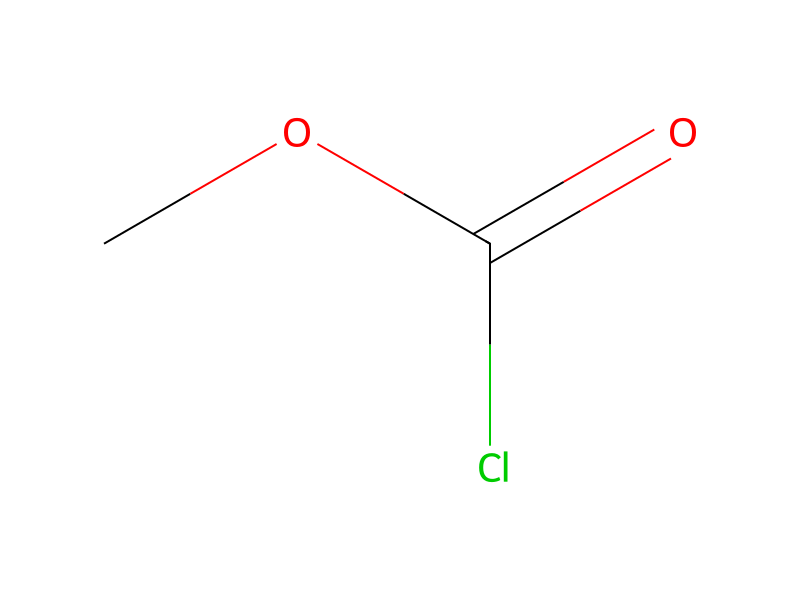
C(N(CC)CC)C.Cl.[NH2:9][CH:10]([C:19]1[CH:20]=[CH:21][C:22](=[O:28])[N:23]([CH:25]([CH3:27])[CH3:26])[N:24]=1)[C:11](=[O:18])[C:12]1[CH:17]=[CH:16][CH:15]=[CH:14][CH:13]=1.Cl[C:30]([O:32][CH3:33])=[O:31].CCCCCC>C(Cl)Cl.CCOC(C)=O>[CH:25]([N:23]1[C:22](=[O:28])[CH:21]=[CH:20][C:19]([CH:10]([NH:9][C:30](=[O:31])[O:32][CH3:33])[C:11](=[O:18])[C:12]2[CH:13]=[CH:14][CH:15]=[CH:16][CH:17]=2)=[N:24]1)([CH3:26])[CH3:27]Under ice-cooling, a solution of triethylamine (16.8 ml) of CH2Cl2 (30 ml) was added dropwise to a suspension of 6-(1-amino-2-oxo-2-phenylethyl)-2-isopropyl-3(2H)-pyridazinone hydrochloride (15.42 g) and methyl chloroformate (4.65 ml) in CH2Cl2 (155 ml) and stirred at the same temperature for 30 minutes. The mixture was washed with water, 1N HCl and sat. aq. NaHCO3 solution, dried over MgSO4 and concentrated under reduced pressure to give a residue. The residue was subjected to column chromatography on silica gel eluting with a mixture of n-hexane and EtOAc (30:70 v/v) to give methyl [1-(1-isopropyl-6-oxo-1,6-dihydro-3-pyridazinyl)-2-oxo-2-phenylethyl]carbamate as a syrup (15.78 g), which was identical to the authentic sample (the product of Preparation 5) by IR, MS and NMR spectra.