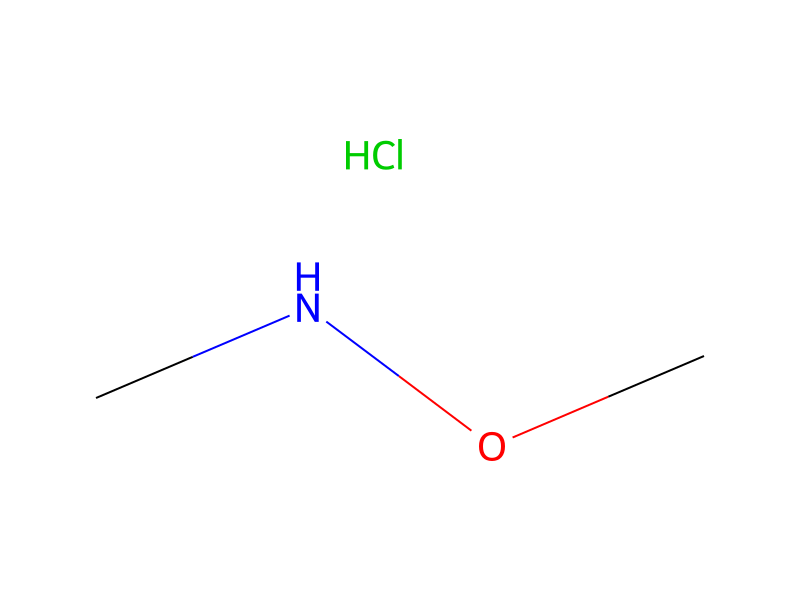
With reference to Scheme 5, 12.5 g of 5-1 (45.1 mmol, prepared from commercially available isoquinoline-8-carboxylic acid by literature methods) and 18.85 g triethylamine (135 mmol) were dissolved in 150 mL THF. This solution was treated with N,O-dimethylhydroxylamine hydrochloride (5.72 g, 58.6 mmol), followed by 1.726 g N-hydroxybenzotriazole (HOBT, 11.27 mmol) and 8.73 g ethyl-(N′,N′-dimethylamino)propyl-carbodimide-hydrochloride (EDC, 45.5 mmol). The reaction was stirred overnight at RT. After removal of most of the solvent under reduced pressure, the residue was suspended in EtOAc (250 mL) and washed with 1N HCl (2×50 mL). The organic layer was washed with saturated sodium bicarbonate (2×50 mL), followed by brine. The organic layer was dried over sodium sulfate, filtered and concentrated. Purification by normal phase chromatography (0-50% EtOAc in hexane) yielded 5-2 (tert-butyl 8-[methoxy(methyl)-carbamoyl]-3,4-dihydroisoquinoline-2(1H)-carboxylate) as a clear light yellow oil