Picolinic acid → HCID 71236577, Verbindung
HRID 920307
Reaktionsgleichung

[F:1][C:2]1[CH:3]=[C:4]([CH:13]=[CH:14][C:15]=1[F:16])[O:5][C:6]1[CH:11]=[CH:10][C:9](I)=[CH:8][N:7]=1.[C:17]([O:25][CH2:26][CH3:27])(=[O:24])[CH2:18][C:19]([O:21][CH2:22][CH3:23])=[O:20].C([O-])([O-])=O.[Cs+].[Cs+].N1C=CC=CC=1C(O)=O>O1CCOCC1.[Cu]I>[F:1][C:2]1[CH:3]=[C:4]([CH:13]=[CH:14][C:15]=1[F:16])[O:5][C:6]1[N:7]=[CH:8][C:9]([CH:18]([C:19]([O:21][CH2:22][CH3:23])=[O:20])[C:17]([O:25][CH2:26][CH3:27])=[O:24])=[CH:10][CH:11]=1Komponenten
7
Edukt 4

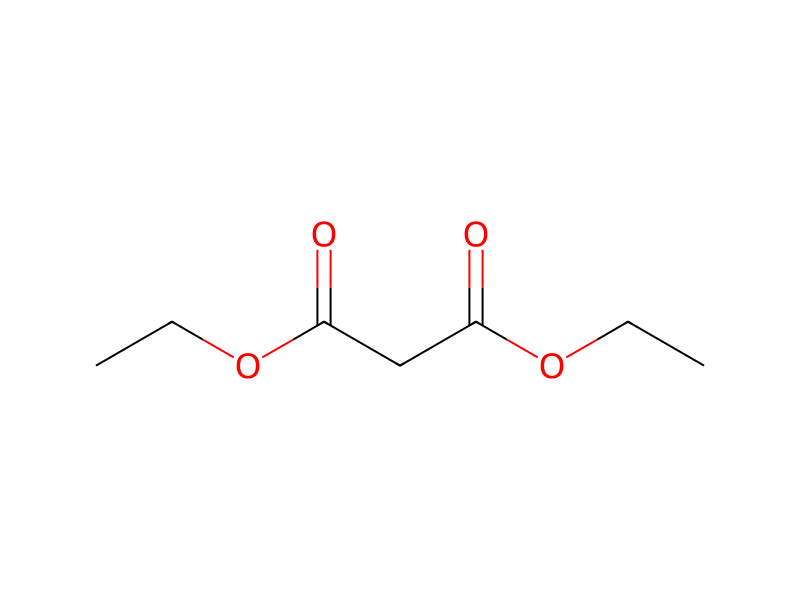


Produkt 1

Reagenzien, Katalysatoren, Lösungsmittel 2

