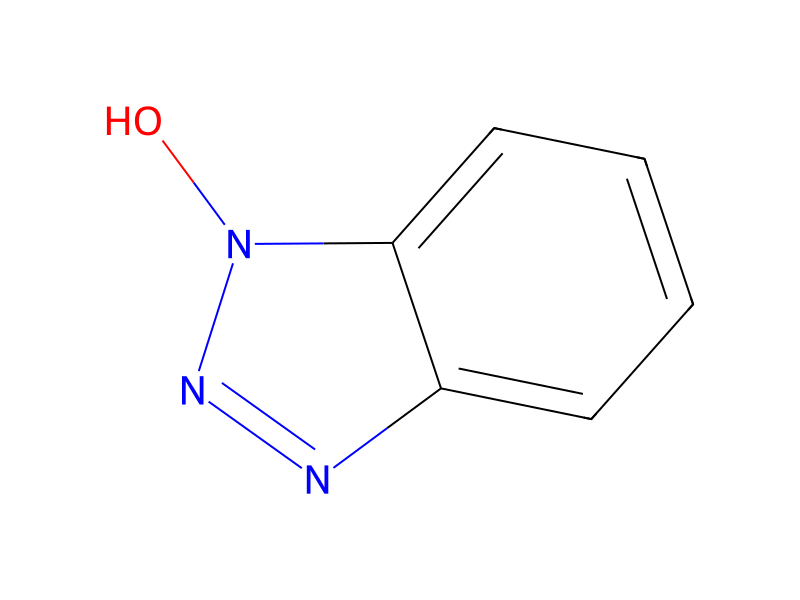
[CH3:1][O:2][C:3]1[CH:8]=[CH:7][C:6]([CH:9]2[CH2:11][CH:10]2[C:12]([OH:14])=O)=[CH:5][CH:4]=1.[CH:15]1[CH:20]=[CH:19][C:18]([C@@H:21]([NH2:24])[CH2:22][OH:23])=[CH:17][CH:16]=1.CCN=C=NCCCN(C)C.Cl.ON1C2C=CC=CC=2N=N1>ClCCl>[OH:23][CH2:22][CH:21]([NH:24][C:12]([C@@H:10]1[CH2:11][C@@H:9]1[C:6]1[CH:5]=[CH:4][C:3]([O:2][CH3:1])=[CH:8][CH:7]=1)=[O:14])[C:18]1[CH:19]=[CH:20][CH:15]=[CH:16][CH:17]=1To a 250 mL RB flask fitted with magnetic stirrer was charged with 70 mL of dichloromethane. To the stirred solvent were added 2-(4-methoxyphenyl)cyclopropanecarboxylic acid (4.5 g, 33 mmol), D-(−)-α-phenylglycinol (3.2 g, 50 mmol). The reaction mixture was brought to 0° C., followed by the addition of N-(3-dimethylaminopropyl)-N-ethylcarbodimide hydrochloride (6.7 g, 50 mmol), N-hydroxybenzotriazole (3.1 g, 33 mmol) and the reaction mixture was allowed to stir at room temperature for 8 h. The reaction mixture was diluted with dichloromethane (100 mL) and washed with water (100 mL). The organic layer was washed with brine solution (25 mL). The organic layer was dried over Na2SO4 and the solvent was removed under reduced pressure. The product was obtained as white solid (2 g, yield: 27.44%).