Reaktionsgleichung

[C:1]([C:5]1[C:10]([OH:11])=[C:9]([CH3:12])[C:8]([CH2:13]Cl)=[C:7]([CH3:15])[CH:6]=1)([CH3:4])([CH3:3])[CH3:2].[P:16]([O:21]C)([O:19][CH3:20])[O:17][CH3:18]>CCCCCCC>[C:1]([C:5]1[CH:6]=[C:7]([CH3:15])[C:8]([CH2:13][P:16](=[O:21])([O:19][CH3:20])[O:17][CH3:18])=[C:9]([CH3:12])[C:10]=1[OH:11])([CH3:4])([CH3:3])[CH3:2]Komponenten
4
Edukt 2
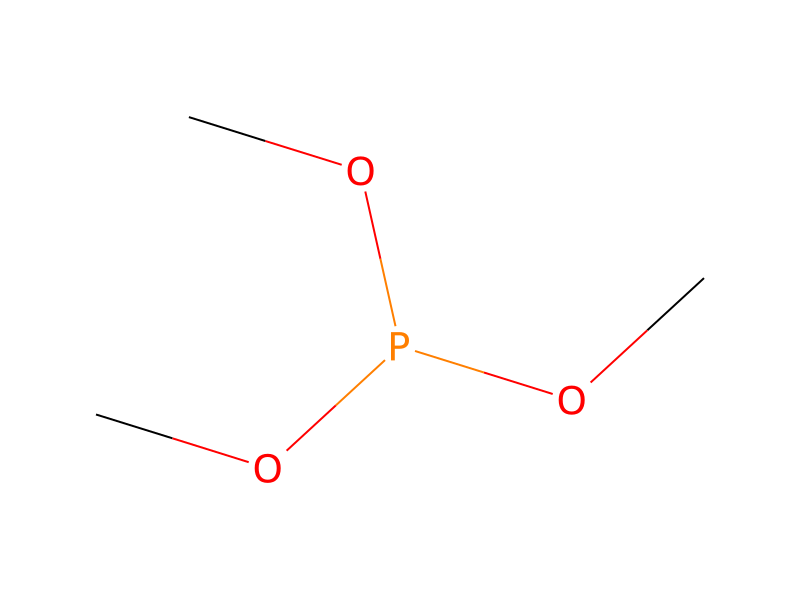

Produkt 1

Reagenzien, Katalysatoren, Lösungsmittel 1

Versuchsvorschrift
To 16.1 grams 6-tert.-butyl-3-chloromethyl-2,4-dimethylphenol dissolved in 40 ml. of dry n-heptane was added 9.55 grams of trimethyl phosphite. One-third of the trimethyl phosphite was initially added dropwise at room temperature, the remainder being added dropwise at 70°. The reaction mixture was then heated at reflux (97°) for ten hours and the residual white solid isolated by stripping off the volatiles by distillation at 50° to 60° at reduced pressure. The residue was triturated twice with petroleum ether and recrystallized, after clarification, from a solvent mixture of n-hexane and isopropanol yielding the desired product as white crystals melting at 146° to 148°. (compound 1)
Aufarbeitung
- additionthe remainder being added dropwise at 70°
- temperatureThe reaction mixture was then heated
- temperatureat reflux (97°) for ten hours
- customthe residual white solid isolated
- distillationby distillation at 50° to 60° at reduced pressure
- customThe residue was triturated twice with petroleum ether
- customrecrystallized
- additionafter clarification, from a solvent mixture of n-hexane and isopropanol yielding the desired product as white crystals melting at 146° to 148°
Quellen und Nachweise
- ORD-Eintrag
- ord-858a74a38c13437ea8b5af3e9599ef2a
- Quelldatensatz
- uspto-grants-1979_07
- Patentnummer
- US04161473
Verknüpfte Notizen
Wird geladen…