StartseiteMCPWorkbenchSkills
StartseiteWorkbenchBenachrichtigungenMein Bereich
llms.txt · MCP-AnleitungDatenschutz · Nutzungsbedingungen · Supportv1.8.3
  1. Startseite
  2. /Reaktion

Hydrochloric Acid → Benzyl 2-sulfanylidene-1,3-thiazolidine-3-carboxylate

HRID 973736
Drucken

Reaktionsgleichung

Reaktionsgleichung von HRID 973736
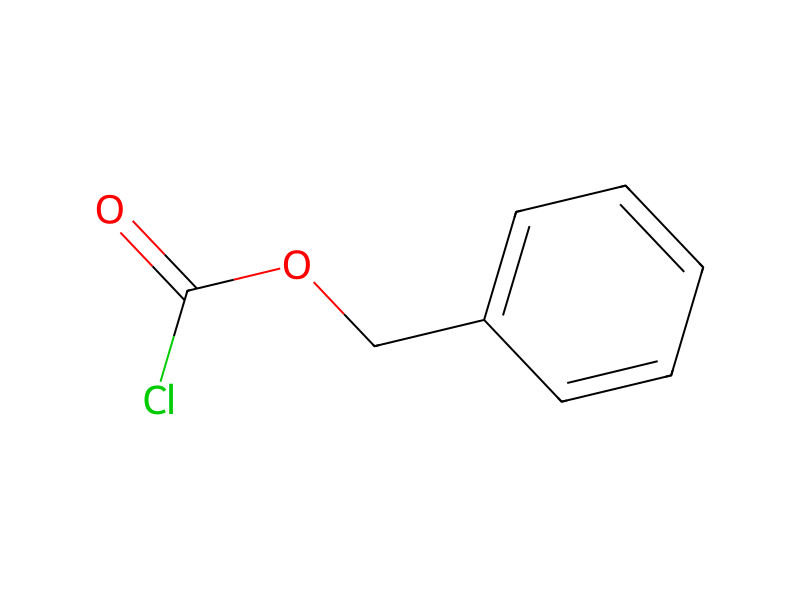
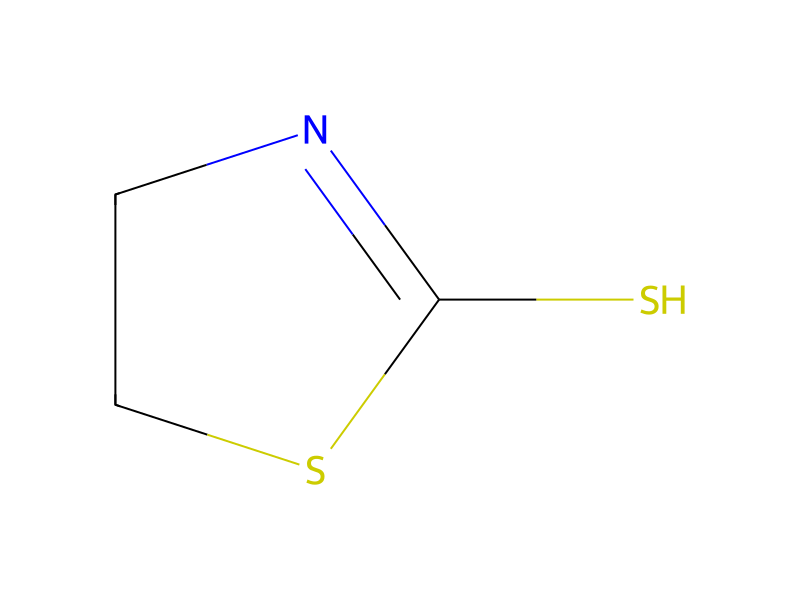
C(N(CC)CC)C.[SH:8][C:9]1[S:10][CH2:11][CH2:12][N:13]=1.Cl[C:15]([O:17][CH2:18][C:19]1[CH:24]=[CH:23][CH:22]=[CH:21][CH:20]=1)=[O:16].Cl>C(Cl)Cl>[CH2:18]([O:17][C:15]([N:13]1[CH2:12][CH2:11][S:10][C:9]1=[S:8])=[O:16])[C:19]1[CH:24]=[CH:23][CH:22]=[CH:21][CH:20]=1
KomponentenVersuchsvorschriftAufarbeitungQuellen und NachweiseNotizen zur Reaktion

Komponenten

6

Edukt 4

HCID 313Hydrochloric AcidHCID 8471TriethylamineHCID 10387Benzyl chloroformateHCID 178527880HCID 178527880, Verbindung

Produkt 1

HCID 12706814Benzyl 2-sulfanylidene-1,3-thiazolidine-3-carboxylate

Reagenzien, Katalysatoren, Lösungsmittel 1

HCID 6344
Dichloromethane
Lösungsmittel
2×

Versuchsvorschrift

12.9 ml of triethylamine cooled to 0° to 5° C. were added to 10 g of mercapto-thiazoline in solution in 200 ml of methylene chloride, then 12 ml of benzyl chloroformate in solution in 60 ml of methylene chloride were added dropwise. After stirring for 3 hours at ambient temperature, the mixture was poured into an iced solution of N hydrochloric acid and the aqueous phase was extracted with methylene chloride. The organic phase was dried and concentrated to dryness and the residue was chromatographed on silica (eluant: hexane-ethyl acetate 7-3) to obtain 17.9 g of the expected product melting at 72° C.

Aufarbeitung

  1. extractionthe aqueous phase was extracted with methylene chloride
  2. customThe organic phase was dried
  3. concentrationconcentrated to dryness
  4. customthe residue was chromatographed on silica (eluant: hexane-ethyl acetate 7-3)

Quellen und Nachweise

ORD-Eintrag
ord-611e75575b4b4552bdd6d83fb2c053ae
Quelldatensatz
uspto-grants-1991_11
DOI
10.6084/m9.figshare.5104873.v1
Patentnummer
US05064861

Notizen zur Reaktion

Auf dieser SeiteKomponentenVersuchsvorschriftAufarbeitungQuellen und NachweiseNotizen zur Reaktion