Hydrochloric Acid → 4-(3-Bromobenzyloxy)-3,5-diiodo-benzoic Acid 3-bromobenzyl Ester
HRID 989411
Reaktionsgleichung

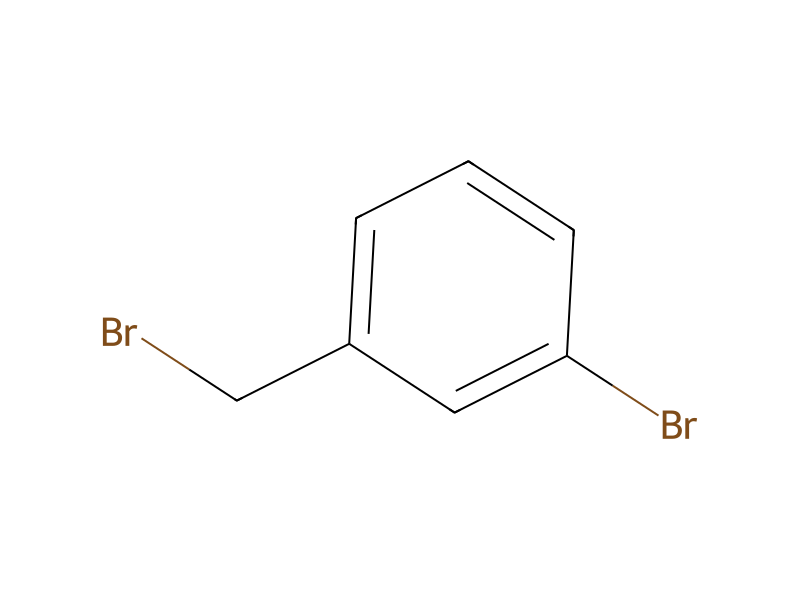
[I:1][C:2]1[CH:3]=[C:4]([CH:8]=[C:9]([I:12])[C:10]=1[OH:11])[C:5]([OH:7])=[O:6].[Br:13][C:14]1[CH:15]=[C:16]([CH:19]=[CH:20][CH:21]=1)[CH2:17]Br.C(=O)([O-])[O-].[Cs+].[Cs+].Cl>CN(C=O)C>[Br:13][C:14]1[CH:15]=[C:16]([CH:19]=[CH:20][CH:21]=1)[CH2:17][O:6][C:5](=[O:7])[C:4]1[CH:3]=[C:2]([I:1])[C:10]([O:11][CH2:17][C:16]2[CH:19]=[CH:20][CH:21]=[C:14]([Br:13])[CH:15]=2)=[C:9]([I:12])[CH:8]=1Komponenten
6