StartseiteMCPWorkbenchSkills
StartseiteWorkbenchBenachrichtigungenMein Bereich
llms.txt · MCP-AnleitungDatenschutz · Nutzungsbedingungen · Supportv1.8.0
  1. Startseite
  2. /Reaktion

Catechol → Formaldehyde

HRID 992580
Notizen
Druckvorschau

Reaktionsgleichung

Reaktionsgleichung von HRID 992580
[C:1]1(C=CC=C(O)C=1)[OH:2].[C:9]1([C:11](=[CH:13][CH:14]=[CH:15][CH:16]=1)O)[OH:10].C1(C=CC(O)=CC=1)O.OC1C=CC(CC2C=CC(O)=CC=2)=CC=1.OC1C=CC(C(C2C=CC(O)=CC=2)(C)C)=CC=1.BrC1C=C(C(C2C=C(Br)C(O)=C(Br)C=2)(C)C)C=C(Br)C=1O.C1C(O)=CC=C(S(C2C=CC(O)=CC=2)(=O)=O)C=1>>[CH2:1]=[O:2].[C:9]1([OH:10])[CH:11]=[CH:13][CH:14]=[CH:15][CH:16]=1

KomponentenVersuchsvorschriftQuellen und NachweiseNotizen zur Reaktion

Komponenten

9

Edukt 7

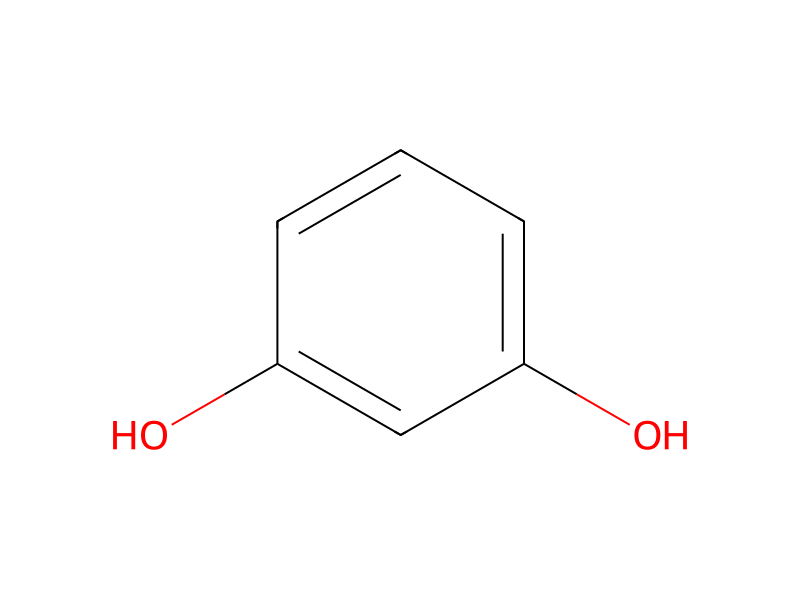
HCID 289CatecholHCID 785HydroquinoneHCID 5054ResorcinolHCID 6618Tetrabromobisphenol AHCID 6623Bisphenol AHCID 6626Bisphenol SHCID 12111Bis(4-hydroxyphenyl)methane

Produkt

2
HCID 712FormaldehydeHCID 996Phenol

Versuchsvorschrift

The epoxides can also be derived from mononuclear phenols, for example from resorcinol, pyrocatechol or hydroquinone; or they are based on polynuclear phenols such as on 4,4′-dihydroxybiphenyl, bis(4-hydroxyphenyl)methane, 2,2-bis(4-hydroxyphenyl)propane, 2,2-bis-(3,5-dibromo-4-hydroxyphenyl)propane, 4,4′-dihydroxydiphenylsulfone, 9,9′-bis(4-hydroxy-phenyl)fluorene, or on condensates, obtained under acid conditions, of phenols with formaldehyde such as phenol novolaks.

Quellen und Nachweise

ORD-Eintrag
ord-54c7911a6c5c4c4a8016ce09a4a7d22f
Quelldatensatz
uspto-grants-2002_10
DOI
10.6084/m9.figshare.5104873.v1
Patentnummer
US06469078B1

Notizen zur Reaktion

Wird geladen…

Auf dieser SeiteKomponentenVersuchsvorschriftQuellen und NachweiseNotizen zur Reaktion