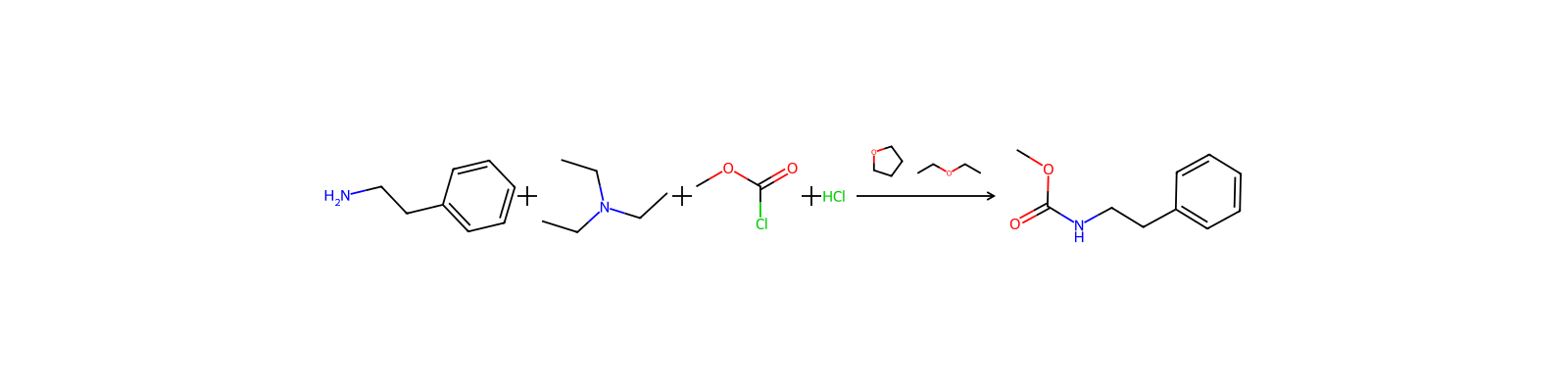
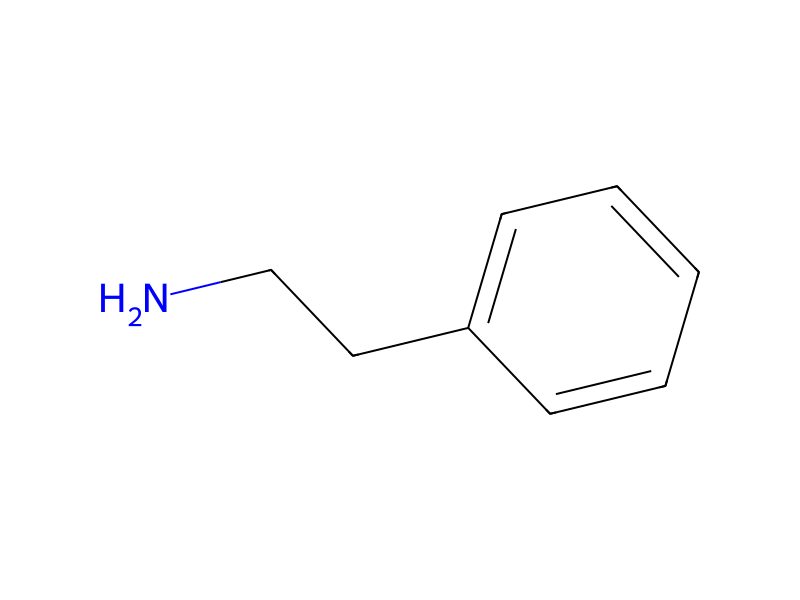
Basic information
- Standard SMILES
NCCc1ccccc1- InChIKey
BHHGXPLMPWCGHP-UHFFFAOYSA-N- Molecular formula
- C8H11N
- Average molar mass
- 121.18 g/mol
- Monoisotopic mass
- 121.08914935
Overview
2-phenylethylamine is a phenylethylamine having the phenyl substituent at the 2-position. It has a role as a mouse metabolite, an Escherichia coli metabolite and a human metabolite. It is an aralkylamine, an alkaloid and a phenylethylamine. It is a conjugate base of a 2-phenylethanaminium.
Names & identifiers
- Preferred name
- Phenethylamine
- IUPAC
- 2-phenylethanamine
- English name
- 2-PhenylethylaMine
- Molecular formula
- C8H11N
- Molecular weight
- 121.18
Names & synonyms
Phenethylamine2-phenylethylamine2-Phenylethanamine2-Phenethylaminebeta-Phenethylamine1-Amino-2-phenylethanebeta-Aminoethylbenzene(2-Aminoethyl)benzene1-Phenyl-2-aminoethane2-Amino-1-phenylethaneEthanamine, 2-phenyl-Ethylamine, 2-phenyl-
Show more names
Phenylethylamine2-phenylethan-1-amineBENZENEETHANAMINEβ-phenylethylamineBETA-PHENYLETHYLAMINEFEMA 3220
1-Phenyl-2-amino-athan2-Fenylethylamin2-Amino-fenylethanPHENETHYLAMINE, BETAbeta-Phenylaethylaminb-phenylethylamineFEMA No. 3220omega-Phenylethylamine
Database identifiers
- CAS
64-04-0- PubChem CID
- 1001
- DTXSID
DTXSID5058773- ChEMBL
CHEMBL610- ChEBI
CHEBI:18397- UNII
- 327C7L2BXQ
- EC Number
- 200-574-4
- Nikkaji
- J4.833J
Properties
Computed structural properties
- XLogP
- 1.4
- Topological polar surface area
- 26 Ų
- Hydrogen bond donors
- 1
- Hydrogen bond acceptors
- 1
- Rotatable bonds
- 2
- Heavy atoms
- 9
- Formal charge
- 0
- Complexity
- 65
Experimental & physicochemical properties
Chemical ClassesNitrogen Compounds -> Amines, Aromatic
Drugs
DEA NFLIS-Drug Category -> Phenethylamines
Pharmaceuticals -> Listed in ZINC15
pHStrong base
SpringerMaterials PropertiesSchoenflies notation
LogP
log Kow = 1.41
1.410
1.16
OdorFishy odor
Food AdditivesFLAVORING AGENT OR ADJUVANT -> FDA Substance added to food
Density
0.9640 g/cu cm at 25 °C
0.961-0.967
Flavoring AgentsEU Flavoring substances
Color/Form
Colorless to slightly yellow liquid
Liquid
Solubility
Soluble in water
Very soluble in ethanol, ether; soluble in carbon tetrachloride
Soluble in alcohol, ether
Freely soluble in alcohol, ether
Soluble in water, ether
Soluble (in ethanol)
Flash Point81 °C (178 °F) - closed cup
Physicochemical properties
- Melting point
- -60 °C · -60 °C
- Boiling point
- 197 · 197-200 °C (lit.)
- Density
- 0.962 g/mL · 0.962 g/mL at 20 °C (lit.)
- vapor density
- 4.18 · 4.18 (vs air)
- vapor pressure
- 0.4 hPa · 0.4 hPa (20 °C)
- FEMA
- 3220 · 3220 | PHENETHYLAMINE
- refractive index
- 20 · n20/D 1.533(lit.)
- FLAVIS Number
- 11.006 · 11.006 | Phenethylamine
- Flash point
- 195 °F · 195 °F
- storage temp.
- 30 °C · Store below +30°C.
- solubility
- alcohol: freely soluble(lit.)
- form
- liquid
- pka
- 9.84 · 9.84(at 25℃)
- color
- clear, colorless
- PH
- 11.5 · 11.5 (4.3g/l, H2O, 20℃)
- Odor
- fishy odor
- PH Range
- 11.5 at · 11.5 at 4.3 g/l at 20 °C
- Odor Type
- fishy
- Viscosity
- 2.4 mm2/s · 2.40 mm2/s at 23 °C
- explosive limit
- 1 · 1.0-5.5%(V)
- Water Solubility
- SOLUBLE
- Sensitive
- Air Sensitive
- JECFA Number
- 1589 · 1589
- Merck
- 14 · 14,6026
- BRN
- 507488 · 507488
- Henry's Law Constant
- 1.2 · 1.2×101 mol/(m3Pa) at 25℃, HSDB (2015)
- Stability
- Stable. Combustible. Incompatible with strong oxidizing agents, strong acids.
- InChI
- 1S/C8H11N/c9-7-6-8-4-2-1-3-5-8/h1-5H,6-7,9H2
- InChIKey
- BHHGXPLMPWCGHP-UHFFFAOYSA-N
- SMILES
- NCCc1ccccc1
- LogP
- 1.46 · 1.46
- CAS DataBase Reference
- 64 · 64-04-0(CAS DataBase Reference)
- Substances Added to Food (formerly EAFUS)
- PHENETHYLAMINE
- EWG's Food Scores
- 1 · 1
- FDA UNII
- 327 C7L2BXQ · 327C7L2BXQ
- NIST Chemistry Reference
- Benzeneethanamine(64-04-0)
- EPA Substance Registry System
- Phenethylamine (64-04-0)
- UNSPSC Code
- 12352116 · 12352116
- NACRES
- 22 · NA.22
- Symbol(GHS)
- 5 · GHS05,GHS06
- Signal word
- Danger
- Hazard statements
- 290 · H290-H301-H314
- Precautionary statements
- 234 · P234-P270-P280-P303+P361+P353-P304+P340+P310-P305+P351+P338
- PPE
- Faceshields, Gloves, Goggles, type ABEK (EN14387) respirator filter
- Hazard Codes
- C
- Risk Statements
- 22 · 22-34
- Safety Statements
- 26 · 26-36/37/39-45
- RIDADR
- 2922 · UN 2922 8/PG 2
- WGK Germany
- 1 · 1
- RTECS
- 8750000 · SG8750000
- F
- 9 · 9-23
- Autoignition Temperature
- 425 °C · 425 °C
- TSCA
- TSCA listed
- HazardClass
- 8 · 8
- PackingGroup
- III
- HS Code
- 29214980 · 29214980
- Storage Class
- 6.1 A · 6.1A - Combustible acute toxic Cat. 1 and 2very toxic hazardous materials
- Hazard Classifications
- 3 OralEye · Acute Tox. 3 OralEye Dam. 1Met. Corr. 1Skin Corr. 1B
- Hazardous Substances Data
- 64 · 64-04-0(Hazardous Substances Data)
- Toxicity
- 50 orally · LD50 orally in Rabbit: 300 mg/kg
- REACH Registrations
- Active
Safety & regulation
GHS classification
GHS Classification
Danger
H301 (12.8%): Toxic if swallowed [Danger Acute toxicity, oral]
P260, P261, P264, P270, P271, P280, P301+P316, P301+P317, P301+P330+P331, P302+P352, P302+P361+P354, P304+P340, P305+P354+P338, P316, P317, P321, P330, P362+P364, P363, P405, and P501 (click each P-code to see the statement)
Aggregated GHS information provided per 1549 reports by companies from 16 notifications to the ECHA C&L Inventory. Each notification may be associated with multiple companies.
Danger
H227: Combustible liquid [Warning Flammable liquids]
Hazard information
Regulatory Information
Chemical: Benzeneethanamine
Commission Regulation (EC) No 1565/2000 (Repealed by Com. Implementing Reg. (EU) No 872/2012)
Status: Active Update: 13-10-2022 https://echa.europa.eu/registration-dossier/-/registered-dossier/16225
2-Phenylethylamine: Does not have an individual approval but may be used under an appropriate group standard
Other Safety InformationEvaluation - Chemicals that are unlikely to require further regulation to manage risks to environment
Hazards Summary
A skin irritant and potential sensitizer; [Merck Index] Emergency treatment: Amphetamines and related drugs; [HSDB] Safe when used as a flavoring agent in food; [JECFA] Causes burns; Inhalation may cause corrosive effects on the upper respiratory tract; Toxic if swallowed; May be harmful if absorbed through the skin; [Aldrich MSDS]
Hazard Classes and Categories
Acute Tox. 3 (12.8%)
Flammable liquids - Category 4
Skin, Eye, and Respiratory IrritationsSkin irritant.
Hazardous Reactivities and IncompatibilitiesIncompatible materials: Strong oxidizing agents, copper, copper alloys, strong acids, brass.
Safety & protection
Fire Fighting Procedures
Suitable extinguishing media: Use water spray, alcohol-resistant foam, dry chemical or carbon dioxide. Unsuitable extinguishing media: Do NOT use water jet.
Advice for firefighters: Wear self-contained breathing apparatus for firefighting if necessary. Use water spray to cool unopened containers.
Storage Conditions
Keep container tightly closed in a dry and well-ventilated place. Containers which are opened must be carefully resealed and kept upright to prevent leakage. Air sensitive. Store under inert gas. Storage class (TRGS 510): 6.1B: Non-combustible, acute toxic Cat. 1 and 2/very toxic hazardous materials
Cleanup Methods
ACCIDENTAL RELEASE MEASURES: Personal precautions, protective equipment and emergency procedures: Wear respiratory protection. Avoid breathing vapors, mist or gas. Ensure adequate ventilation. Remove all sources of ignition. Evacuate personnel to safe areas. Beware of vapors accumulating to form explosive concentrations. Vapors can accumulate in low areas. Environmental precautions: Prevent further leakage or spillage if safe to do so. Do not let product enter drains. Discharge into the environment must be avoided. Methods and materials for containment and cleaning up: Contain spillage, and then collect with non-combustible absorbent material, (e.g. sand, earth, diatomaceous earth, vermiculite) and place in container for disposal according to local/national regulations ... Keep in suitable, closed containers for disposal.
Disposal Methods
SRP: Recycle any unused portion of the material for its approved use or return it to the manufacturer or supplier. Ultimate disposal of the chemical must consider: the material's impact on air quality; potential migration in air, soil or water; effects on animal, aquatic and plant life; and conformance with environmental and public health regulations. If it is possible or reasonable use an alternative chemical product with less inherent propensity for occupational harm/injury/toxicity or environmental contamination.
Product: Contact a licensed professional waste disposal service to dispose of this material. Offer surplus and non-recyclable solutions to a licensed disposal company. This combustible material may be burned in a chemical incinerator equipped with an afterburner and scrubber. Contaminated packaging: Dispose of as unused product.
Preventive Measures
ACCIDENTAL RELEASE MEASURES: Personal precautions, protective equipment and emergency procedures: Wear respiratory protection. Avoid breathing vapors, mist or gas. Ensure adequate ventilation. Remove all sources of ignition. Evacuate personnel to safe areas. Beware of vapors accumulating to form explosive concentrations. Vapors can accumulate in low areas. Environmental precautions: Prevent further leakage or spillage if safe to do so. Do not let product enter drains. Discharge into the environment must be avoided. Methods and materials for containment and cleaning up: Contain spillage, and then collect with non-combustible absorbent material, (e.g. sand, earth, diatomaceous earth, vermiculite) and place in container for disposal according to local/national regulations ... Keep in suitable, closed containers for disposal.
Precautions for safe handling: Avoid contact with skin and eyes. Avoid inhalation of vapor or mist. Keep away from sources of ignition - No smoking. Take measures to prevent the build up of electrostatic charge.
Appropriate engineering controls: Avoid contact with skin, eyes and clothing. Wash hands before breaks and immediately after handling the product.
Gloves must be inspected prior to use. Use proper glove removal technique (without touching glove's outer surface) to avoid skin contact with this product. Dispose of contaminated gloves after use in accordance with applicable laws and good laboratory practices. Wash and dry hands.
SRP: The scientific literature for the use of contact lenses by industrial workers is inconsistent. The benefits or detrimental effects of wearing contact lenses depend not only upon the substance, but also on factors including the form of the substance, characteristics and duration of the exposure, the uses of other eye protection equipment, and the hygiene of the lenses. However, there may be individual substances whose irritating or corrosive properties are such that the wearing of contact lenses would be harmful to the eye. In those specific cases, contact lenses should not be worn. In any event, the usual eye protection equipment should be worn even when contact lenses are in place.
Personal Protective Equipment (PPE)
Eye/face protection: Tightly fitting safety goggles. Faceshield (8-inch minimum). Use equipment for eye protection tested and approved under appropriate government standards such as NIOSH (US) or EN 166 (EU).
Handle with gloves.
Body Protection: Complete suit protecting against chemicals. The type of protective equipment must be selected according to the concentration and amount of the dangerous substance at the specific workplace.
Respiratory protection: Where risk assessment shows air-purifying respirators are appropriate use a full-face respirator with multipurpose combination (US) or type ABEK (EN 14387) respirator cartridges as a backup to engineering controls. If the respirator is the sole means of protection, use a full-face supplied air respirator. Use respirators and components tested and approved under appropriate government standards such as NIOSH (US) or CEN (EU).
Toxicology
Body Burden2-Phenylethylamine is an endogenous amine related structurally to amphetamine(1); it is found in normal human urine at a concentration of about 30 ug/L(1).
Interactions
The effects of chronic administration of antidepressant drugs and 2-phenylethylamine on beta-adrenoceptor function were assessed. Monoamine oxidase inhibitors [phenelzine sulfate, 5 or 10 mg/kg per day, and (-)-deprenyl HCl, 1 mg/kg per day] and 2-phenylethylamine HCl (10 mg/kg per day) were administered to male Sprague-Dawley rats via Alzet osmotic minipumps. On days 21 and 22, the motor-suppressant actions of the beta-adrenoceptor agonist salbutamol hemisulfate (3 mg/kg intraperitoneally after 15 min) were assessed as a measure of beta-adrenoceptor sensitivity. On day 28, the animals were killed, and their brains were used for the measurement of monoamine oxidase activity and concentrations of 2-phenylethylamine, an endogenous amine and a metabolite of phenelzine. Phenelzine sulfate at 10 mg/kg per day (but not 5 mg/kg per day) and the combination of (-)-deprenyl and 2-phenylethylamine resulted in a decrease in the response to salbutamol. These treatments also resulted in substantial increases in brain 2-phenylethylamine concentrations. The phenelzine treatments each resulted in an equivalent inhibition of brain monoamine oxidase activity. These results support the proposal that 2-phenylethylamine may, at least in part, mediate the effects of phenelzine on beta-adrenoceptor function.
Systemic administration of beta-phenylethylamine caused behavioral syndrome in rats consistent with activation of 5-HT receptors in CNS. Redection of endogenous 5-HT levels did not prevent syndrome. 5-HT receptor antagonists, methysergide and mianserine, blocked effects of beta-phenylethylamine. Beta-phenylethylamine produces serotonergic effects by direct 5-ht agonist action.
In rats, beta-phenylethylamine (50-100 mg/gk, ip) induced stereotypic behavior and disrupted polyribosomes. Haloperidol and chlorpromazine antagonized these effects.
The cerebrovascular actions of phenylethylamine, an amine that has been implicated in the pathogenesis of migraine, were investigated in 16 anesthetized baboons. The influence of monoaminergic blocking agents and of a specific inhibitor of monoamine oxidase upon the cerebral circulatory and metabolic actions of phenylethylamine were examined. The reductions in cerebral blood flow (28 percent) and cerebral oxygen consumption (31 percent) that accompany the intracarotid administration of phenylethylamine (2 X 10(-6) moles per kilogram per minute) were unaffected by the prior administration of either phenoxybenzamine (1.5 mg/kg, IV) or pimozide (0.5 mg/kg, IV). The administration of phenoxybenzamine and pimozide per se did not significantly disturb cerebral blood flow or oxygen consumption. The ability of migraine patients to oxidatively deaminate phenylethylamine is reduced at the time of their attacks. In the present experiments, the administration of the monoamine oxidase type B inhibitor, deprenyl (1 mg/kg, IV), did not effect significant changes in cerebral blood flow or cerebral oxygen consumption. However, following deprenyl, the administration of phenylethylamine (4 X 10(-8) moles per kilogram per minute), a concentration which was without effect in normal animals, significantly reduced cerebral blood flow. Some of the possible mechanisms influencing the sensitivity of the cerebral circulation to phenylethylamine, and their relationship to migraine, are considered.
For more Interactions (Complete) data for 2-Phenylethylamine (9 total), please visit the HSDB record page.
Environmental Fate
TERRESTRIAL FATE: Based on a classification scheme(1), a calculated Koc value of 120(SRC), determined from an experimental soil-water distribution coefficient(2), indicates that 2-phenylethylamine is expected to have high mobility in soil(SRC). The pKa of 2-phenylethylamine is 9.83(3), indicating that this compound will exist almost entirely in the cation form in the environment and cations generally adsorb more strongly to soils containing organic carbon and clay than their neutral counterparts(4). Volatilization of the cation from moist soil is not expected because cations do not volatilize(SRC). 2-Phenylethylamine is not expected to volatilize from dry soil surfaces(SRC) based upon a vapor pressure of 0.23 mm Hg at 20 °C(5). A 58% of Theoretical BOD using activated sludge in the Japanese MITI test(6) suggests that biodegradation is an important environmental fate process in soil(SRC).
AQUATIC FATE: Based on a classification scheme(1), a Koc value of 120(SRC), determined from an experimental soil-water distribution coefficient(2), indicates that 2-phenylethylamine is expected to adsorb to suspended solids and sediment(SRC). A pKa of 9.83(3) indicates 2-phenylethylamine will exist almost entirely in the cation form at pH values of 5 to 9 and, therefore, volatilization from water surfaces is not expected to be an important fate process(SRC). 2-Phenylethylamine is not expected to undergo hydrolysis in the environment due to the lack of functional groups that hydrolyze under environmental conditions(4). According to a classification scheme(5), an estimated BCF of 4(SRC), from its log Kow of 1.41(6) and a regression-derived equation(7), suggests the potential for bioconcentration in aquatic organisms is low. Utilizing the Japanese MITI test, 58% of the Theoretical BOD was reached in 2 weeks(8) indicating that biodegradation may be an important environmental fate process(SRC).
ATMOSPHERIC FATE: According to a model of gas/particle partitioning of semivolatile organic compounds in the atmosphere(1), 2-phenylethylamine, which has a vapor pressure of 0.23 mm Hg at 20 °C(2), is expected to exist solely as a vapor in the ambient atmosphere. Vapor-phase 2-phenylethylamine is degraded in the atmosphere by reaction with photochemically-produced hydroxyl radicals(SRC); the half-life for this reaction in air is estimated to be 10 hours(SRC), calculated from its rate constant of 3.8X10⁻¹¹ cu cm/molecule-sec at 25 °C(SRC) that was derived using a structure estimation method(3). 2-Phenylethylamine does not contain chromophores that absorb at wavelengths >290 nm(4) and, therefore, is not expected to be susceptible to direct photolysis by sunlight(SRC).
Food Survey Values
2-Phenylethylamine levels (mg/kg) have been detected in samples of the following foods(1): spinach (1.1), red cabbage (8.6), cabbage (2.1), cauliflower (1.8), kale (3), white beet (1.3), swede (40), carrots (2), red beet (0.3), large radish (1.2), red radish (0.2), rhubarb (3.2), preserved red cabbage (0.2), rapeseed cake (90). 2-Phenylethylamine was not detected (detection limit <0.2 mg/kg) in meat or cooked ham samples(2), but was detected at 1 mg/kg in mortadella pork; in ripened meat products, 2-phenylethylamine was detected in 80% of samples at levels from not detected to 35.0 mg/kg, suggesting a relationship between 2-phenylethylamine levels and the ripening process(2). 2-Phenylethylamine was not detected (detection limit 0.25 mg/kg) in Parmigiano-Reggiano hard cheese samples aged 12, 24 and 30 months(3). 2-Phenylethylamine was detected at 3.2, 0.73, 2.67, 0.61, 0.005, 0.2, 0.001 and 0.03 mg/kg in respective samples of salami, fermented cabbage, chocolate, red wine, Leerdamer cheese, Parmesan cheese, yogurt and tuna purchased from local stores in Munich, Germany(4). 2-Phenylethylamine was found in 7 of 30 fermented soya bean and 23 of 33 fermented bean curd samples purchased from retail markets and supermarkets in China at 17.56-736.64 and 8.73-341.03 mg/kg, respectively(5).
2-Phenylethylamine has been detected, not quantified, in German wines(1). Concentrations of 2 mg/kg were detected in two white wines(2). 2-Phenylethylamine was not detected (detection limit not reported) in 6 red, 7 rose and 6 white Spanish table wines(3). 2-Phenylethylamine was detected in 45, 46 and 12 Tempranillo red wines from the respective regions of La Rioja, Utiel-Requena and Tarragona, Spain at 0.9, 1.0 and 0.8 mg/L(4). 2-Phenylethylamine was detected in Tempranillo, Bobal and Garnacha grapes at 1.2, 0.8 and 0.6 mg/L, respectively(4). 2-Phenylethylamine was not detected (detection limit 0.25 mg/L) in 24 white and 10 rose wines from La Rioja, Utiel-Requena and Tarragona, Spain(4). 2-Phenylethylamine was detected in 25 Tawny and 15 Vintage Port wines at 0.182-2.338 and 0.086-0.935 mg/L, respectively, it was also detected in 24 grape juice samples at 0.014-0.486 mg/L; all samples were collected in Portugal(5). 2-Phenylethylamine was detected at <0.30-8.3 mg/L in 195 bottled and canned beers purchased from commercial outlets in Germany, Austria, Belgium, Bulgaria, Czech Republic, Denmark, Spain, France, Great Britain, Greece, The Netherlands, Ireland, Italy, Portugal, Switzerland and the former Yugoslavia(6).
Adverse EffectsNeurotoxin - Other CNS neurotoxin
Toxicity Summary
IDENTIFICATION AND USE: 2-Phenylethylamine (PEA) is a colorless to slightly yellow liquid with fishy odor. It is used in organic synthesis, as a laboratory reagent, and in scintillation counters (CO2 absorber). HUMAN STUDIES: PEA poisonings may be severe in young and healthy individuals. The most frequently reported symptoms included anxiety and hallucinations (49%), mydriasis and headache (41%), tachycardia (40%) and hypertension (15%). Complications such as seizures (7%), cardiac arrest (5%), toxic myocarditis (1%) and hemorrhagic stroke (1%) were also observed. PEA was teratogenic at concentrations observed in individuals with phenylketonuria (PKU). ANIMAL STUDIES: Behavioral effects of PEA an agent proposed to act on both 5-HT and dopaminergic brain mechanisms, was examined in Wistar, Sprague-Dawley, and Long-Evans rats. Behavioral components assessed included: forepaw padding, headweaving, and splayed hindlimbs, which are thought to be indicative of central 5-HT stimulation. Following injection of 50 mg/kg Wistar rats were more active and reactive than Long-Evans or Sprague-Dawley rats. There was a significant difference in response to stimulation of central monaminergic mechanisms between Wistar rats and rats of the Long-Evans and Sprague-Dawley strains. The behavioral consequences of daily PEA administration for a period of 6 weeks have been examined. Rats showed signs of the 5-HT behavioral syndrome after a single injection of PEA (50 mg/kg) or 7 daily injections of PEA (25 mg/kg). The syndrome reached peak intensity after 3 weeks treatment. PEA reduced 24-hr food intake after a single injection in male rats and tolerance to this effect did not develop during 4-wk treatment. PEA caused a dose-dependent reduction in body wt gain during this period. The anorectic effect of PEA appears to be behaviorally specific to feeding, since there was no concurrent inhibition of water intake or diuresis. PEA induced myoclonic contractions in the submandibular muscle and epileptiform myoclonic spike discharges in electrocortical recording in anesthetized rats. PEA-induced stereotypy in rodents is suggested to model psychotic symptoms of schizophrenia. PEA is metabolized to azoxy-2-phenylethane (a mutagen). Exposure of D9 (neurulating) mouse embryos to PEA levels ranging from 0.01 to 1 mM for 24 hours in whole embryo culture results in 0% with neural tube closure defects at 0.01 mM and 67% at 0.1 mM and failure to thrive at 1 mM. Histological analysis also shows an increase in cell death in the neuroepithelium of embryos exposed to 0.1 and 1 mM PEA. D8 (head fold) embryos exposed to 0.1 mM PEA exhibited neural tube closure defects (89%) and craniofacial abnormalities (67%) similar to D9's, and in addition 28% had improper looping of the heart. In conclusion, it appears that phenylalanine has a low teratogenic potential, whereas, its metabolites PEA causes malformations similar to those observed in PKU offspring. Also the head fold stage appears more sensitive than the period of neurulation.
Plant Concentrations2-Phenylethylamine is found in the seed of cacao (Theobroma cacao)(1).
Soil Adsorption/Mobility
The soil-water distribution coefficient (Kd) for 2-phenylethylamine was experimentally determined to be 2.1 in a silty-clay loam soil with an organic carbon content of 1.7%(1), which corresponds to a Koc value of 120(SRC). According to a classification scheme(2), this Koc value suggests that 2-phenylethylamine is expected to have high mobility in soil. The pKa of 2-phenylethylamine is 9.83(3), indicating that this compound will exist almost entirely in the cation form in the environment and cations generally adsorb more strongly to soils containing organic carbon and clay than their neutral counterparts(4).
Natural Pollution Sources2-Phenylethylamine is found in human urine (about 30 ug/L)(1), in the oil of bitter almonds(1), in marine algae(2), in tobacco leaves(3), and seeds of cacao(4).
Human Toxicity Excerpts
/HUMAN EXPOSURE STUDIES/ The effect of 25 mg histamine, 25 mg tyramine and 5 mg phenylethylamine in apple juice on 27 healthy volunteers was studied using a randomized placebo-controlled double-blind procedure. No statistically significant effect was found with histamine and tyramine, but phenylethylamine produced headache, dizziness and discomfort in some volunteers. In a 2nd experiment the effect of 4 different wines (2 dl) containing naturally several biogenic amines in various amounts (histamine nd (not detectable) - 21 ppm; tyramine 1-23 ppm; phenylethylamine nd - 6 ppm; putrescine 2-55 ppm) on 20 volunteers was recorded. The percentage of volunteers experiencing symptoms was of the same order of magnitude as in the 1st experiment. No correlation existed in this 2nd experiment between the occurrence of symptoms and the concentration of biogenic amines in the wine samples.
/CASE REPORTS/ OBJECTIVES: Over the last decade, use of phenethylamines has become increasingly prevalent. This study aimed to describe typical aspects of phenethylamine poisoning in order to better inform patient care. METHODS: Phenethylamine poisoning cases reported to the Poison Control Center of Angers, France, from January, 2007 to December, 2013 were examined. Clinical findings were examined in 105 patients, including phenethylamine used, symptoms and final outcome. Patients were predominantly male (80%), with mean age 26+/-8 years. RESULTS: MDMA (38%), amphetamine (18%) and methamphetamine (14%) were the most commonly reported. Synthetic cathinones (10%) and the 2C series (7%) were also found. Substances most commonly associated with phenethylamine poisoning were cannabis (27%), ethanol (20%) and cocaine (9%). The most frequently reported symptoms included anxiety and hallucinations (49%), mydriasis and headache (41%), tachycardia (40%) and hypertension (15%). Complications such as seizures (7%), cardiac arrest (5%), toxic myocarditis (1%) and hemorrhagic stroke (1%) were also observed. Of the cases, the Poison Severity Score was: null or low, 66%, moderate, 21%, severe or fatal, 13%. Of the patients, 77% received hospital care and 12.4% were admitted to an intensive care unit. Analytical confirmations were obtained for all severe cases. While 93% of patients recovered, there were 5 deaths and 2 patients presented with neurological sequelae. CONCLUSIONS: Phenethylamine poisonings may be severe in young and healthy individuals. Physicians, toxicologists and analysts should be aware of new phenethylamine consumption trends in order to inform management of patient care and to contribute to a more responsive drug policy. /Phenethylamines/
/BIOMONITORING/ Urinary excretion (24-hr) of beta-phenylethylamine (PEA), phenylacetic acid (PAA), phenylalanine (Phe), and p-tyrosine (Tyr), and plasma levels of PAA, Phe, and Tyr were examined in 18 normal children and 26 children diagnosed as having attention-deficit hyperactivity disorder (ADHD). The results indicated that urinary excretion (expressed per g of creatinine) of free and total PEA was significantly lower in the ADHD patients, and plasma levels of Phe and Tyr were also decreased in the ADHD subjects compared with the normal controls.
/OTHER TOXICITY INFORMATION/ While the cause of dopaminergic neuronal cell death in Parkinson's disease (PD) is not yet understood, many endogenous molecules have been implicated in its pathogenesis. beta-phenethylamine (beta-PEA), a component of various food items including chocolate and wine, is an endogenous molecule produced from phenylalanine in the brain. It has been reported recently that long-term administration of beta-PEA in rodents causes neurochemical and behavioral alterations similar to that produced by parkinsonian neurotoxins. The toxicity of beta-PEA has been linked to the production of hydroxyl radical ((.)OH) and the generation of oxidative stress in dopaminergic areas of the brain, and this may be mediated by inhibition of mitochondrial complex-I. Another significant observation is that administration of beta-PEA to rodents reduces striatal dopamine content and induces movement disorders similar to those of parkinsonian rodents. However, no reports are available on the extent of dopaminergic neuronal cell death after administration of beta-PEA. Based on the literature, we set out to establish beta-PEA as an endogenous molecule that potentially contributes to the progressive development of PD. The sequence of molecular events that could be responsible for dopaminergic neuronal cell death in PD by consumption of beta-PEA-containing foods is proposed here. Thus, long-term over-consumption of food items containing beta-PEA could be a neurological risk factor having significant pathological consequences.
Fish/Seafood Concentrations
2-Phenylethylamine was detected in three commercial brands of anchovies immersed in oil at 0.2-2.0 mg/kg(1). Rainbow trout (Onchorynchus mykiss) fillets contained 2-phenylethylamine at 3.14 mg/kg; after 5, 10, 15 and 20 days of refrigerator storage, concentrations were 2.51, 2.38, 2.14 and 2.48 mg/kg, respectively(2).
Artificial Pollution Sources2-Phenylethylamine's production and use in organic synthesis(1) may result in its release to the environment through various waste streams(SRC).
Safety data
- F
- 9-23
- PPE
- Faceshields, Gloves, Goggles, type ABEK (EN14387) respirator filter
- wgk
- 1
- tsca
- TSCA listed
- rtecs
- SG8750000
- ridadr
- UN 2922 8/PG 2
- hs_code
- 29214980
- Toxicity
- LD50 orally in Rabbit: 300 mg/kg
- risk_code
- 22-34
- Signal word
- Danger
- Symbol(GHS)
- GHS05,GHS06
- hazard_code
- C
- safety_code
- 26-36/37/39-45
- hazard_class
- 8
- Storage Class
- 6.1A - Combustible acute toxic Cat. 1 and 2very toxic hazardous materials
- packing_group
- III
- Hazard statements
- H290-H301-H314
- REACH Registrations
- Active
- Hazard Classifications
- Acute Tox. 3 OralEye Dam. 1Met. Corr. 1Skin Corr. 1B
- Autoignition Temperature
- 425 °C
- Precautionary statements
- P234-P270-P280-P303+P361+P353-P304+P340+P310-P305+P351+P338
- Hazardous Substances Data
- 64-04-0(Hazardous Substances Data)
Chemistry & industry
Pharmacology
Biological Half-LifePlasma pharmacokinetics of PEA could be described by 1st-order kinetics with estimated t/2 of approx 5-10 min.
Metabolism/Metabolites
Free 2-phenylethylamine excretion was ... significantly elevated ... in phenylketonuric adults and children receiving a normal or a slightly restricted intake of phenylalanine. Urinary 2-phenylethylamine was also significantly increased in phenylketonuric children receiving low phenylalaine dietary therapy. Conjugated 2-phenylethylamine excretion was ... not ... increased above normal.
2-Phenylethylamine is an endogenous constituent of human brain and is implicated in cerebral transmission. It is also found in certain foodstuffs and may cause toxic side-effects in susceptible individuals. Metabolism of 2-phenylethylamine to phenylacetaldehyde is catalyzed by monoamine oxidase and the oxidation of the reactive aldehyde to its acid derivative is catalyzed mainly by aldehyde dehydrogenase and perhaps aldehyde oxidase, with xanthine oxidase having minimal transformation. The present investigation examines the metabolism of 2-phenylethylamine to phenylacetaldehyde in liver slices and compares the relative contribution of aldehyde oxidase, xanthine oxidase and aldehyde dehydrogenase activity in the oxidation of phenylacetaldehyde with precision-cut fresh liver slices in the presence/absence of specific inhibitors of each enzyme. In liver slices, phenylacetaldehyde was rapidly converted to phenylacetic acid. Phenylacetic acid was the main metabolite of 2-phenylethylamine, via the intermediate phenylacetaldehyde. Phenylacetic acid formation was completely inhibited by disulfiram (specific inhibitor of aldehyde dehydrogenase), whereas isovanillin (specific inhibitor of aldehyde oxidase) inhibited acid formation to a lesser extent and allopurinol (specific inhibitor of xanthine oxidase) had little or no effect. Therefore, in liver slices, phenylacetaldehyde is rapidly oxidized by aldehyde dehydrogenase and aldehyde oxidase with little or no contribution from xanthine oxidase.
We report here very high urinary phenylethylamine level in a phenylketonuric newborn and variable phenylethylamine levels in phenylketonuric patients with similar phenylalanine levels. As phenylethylamine, a very toxic metabolite of phenylalanine, is rapidly degraded by monoamine oxydase type B, an enzyme that has a very low activity in neonates, these results are consistent with those of the hypothesis of MAO-B acting as a modifying gene in phenylketonuria.
Incubation of phenylethylamine with rabbit liver microsomes, divalent MN and NADPH generating system leads to formation of azoxy-2-phenylethane (a mutagen). 38 nmol of azoxy-2-phenylethane is formed from 10 umol of phenylethylamine during 30 min incubation. Metabolism to azoxy-2-phenylamine appears completely dependent on the presence of divalent MN.
For more Metabolism/Metabolites (Complete) data for 2-Phenylethylamine (9 total), please visit the HSDB record page.
MeSH Pharmacological ClassificationA loosely defined grouping of drugs that have effects on psychological function. Here the psychotropic agents include the antidepressive agents, hallucinogens, and tranquilizing agents (including the antipsychotics and anti-anxiety agents).
Absorption, Distribution and Excretion
This study was performed to characterize the intestinal transport of beta-phenylethylamine (PEA). Uptake of [(14)C]PEA into Caco-2 cells was Na(+)-independent but strongly stimulated by an outside directed H(+) gradient. At extracellular pH 7.5, the concentration-dependent uptake of PEA was saturable with kinetic parameters of 2.6 mM (K(t)) and 96.2 nmol/min per mg of protein (V(max)). Several biogenic amines such as harmaline and N-methylphenylethylamine as well as cationic drugs such as phenelzine, tranylcypromine, d,l-amphetamine, methadone, chlorphenamine, diphenhydramine and promethazine strongly inhibited the [(14)C]PEA uptake with K(i) values around 1 mM. Tetraethylammonium, N-methyl-4-phenylpyridinium and choline had no effect. We also studied the bidirectional transepithelial transport of [(14)C]PEA at cell monolayers cultured on permeable filters. Net transepithelial flux of [(14)C]PEA from apical-to-basolateral side exceeded basolateral-to-apical flux 5-fold. We conclude that PEA is transported into Caco-2 cells by a highly active, saturable, H(+)-dependent (antiport) process. The transport characteristics do not correspond to those of the known carriers for organic cations of the SLC22, SLC44, SLC47 and other families.
Phenylethylamine was found in cervical spinal cord dorsal and ventral horns, zona intermedia, and lumbar cord dorsal and ventral horns of rats in concentrations of 114-238 pg/mg protein. Values found in caudate nucleus (218 pg/mg) and cerebellum (73 pg/mg). Repeated treatment with amphetamine for 10 days increased levels in both brain and spinal cord.
Specific binding of tritiated beta-phenylethylamine to rat forebrain membranes was saturable; the apparent dissociation constant was 55 nmol and the density of binding sites was approx 1078 pmol/mg protein. Highest binding was observed in hypothalamus and striatum.
The urinary excretion rate of the endogenous, amphetamine-like substance beta-phenethylamine was markedly elevated in human subjects in association with an initial parachuting experience. The increases were delayed in most subjects and were not correlated with changes in urinary pH or creatinine excretion. The data suggest a stress-related role for beta-phenethylamine.
Found in normal human urine (about 30 ug/L).
Uses & manufacturing
Uses
Used for organic synthesis and as a lab reagent and scintillation counter (CO2 absorber); [HSDB] Similar to amphetamine in pharmacological properties; Present in oil of bitter almonds and normal human urine; [Merck Index] Used as a flavoring agent; [INCHEM]
Organic synthesis; laboratory reagent; scintillation counter (CO2 absorber)
Methods of Manufacturing
/Prepd by reducing benzyl cyanide with sodium and alc:/ Johnson, Guest, Am. Chem. J. 42 346 (1909) /or by reduction with raney nickel:/ Robinson, Snyder, Org. Syn. Coll. Vol. III 720 (1955).
From phenylethyl alcohol and ammonia under pressure.
Formulations/PreparationsGrades: Technical, scintillation.
Use Classification
Flavouring Agent -> FLAVOURING_AGENT -> JECFA Functional Classes
Flavoring Agents -> JECFA Flavorings Index
Flavouring Agent -> FLAVOURING_AGENT -> JECFA Functional Classes
General Manufacturing Information
Benzeneethanamine: ACTIVE
beta-Phenylethylamine can be viewed as the parent compound of the sympathomimetic amines, consisting of a benzene ring and an ethylamine side chain.
Applications
OccurrenceReported found in the oil of bitter almonds. Also found in grapes, cabbage, kale, carrots, blue and provolone cheese, fatty fish, beer, sherry, grape wines, cocoa, cauliflower, beetroot, radish, rhubarb, sake and dried bonito.
UsesPhenethylamine is used in manufacturing anti-depression agents and anti diabetic drugs. It is also used as the goodds for drug jiangtangling intermediate, also used for other organic synthesis.
General DescriptionPhenethylamine, a new stimulant designer drug, was analyzed by the liquid chromatography high-resolution mass spectrometry quadrupole-time-of-flight (LC-HRMS-QTOF) method.
Preparation methods
PreparationBy reduction of benzyl cyanide with sodium metal in alcohol or with Raney-Ni.
Upstream & downstream products
Upstream raw materials
Downstream products
Additional notes
DefinitionChEBI: A phenylethylamine having the phenyl substituent at the 2-position.
Related reactions
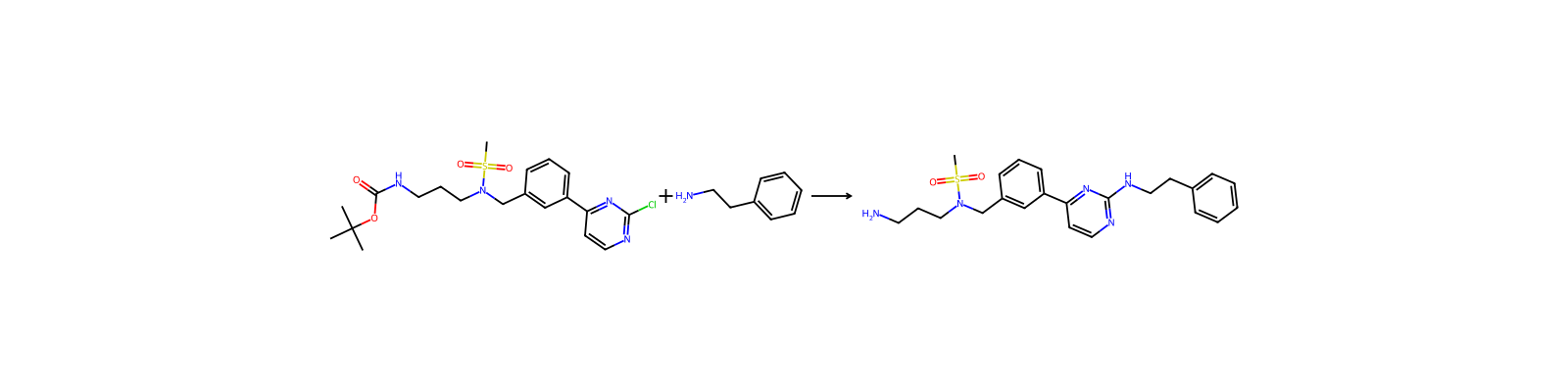
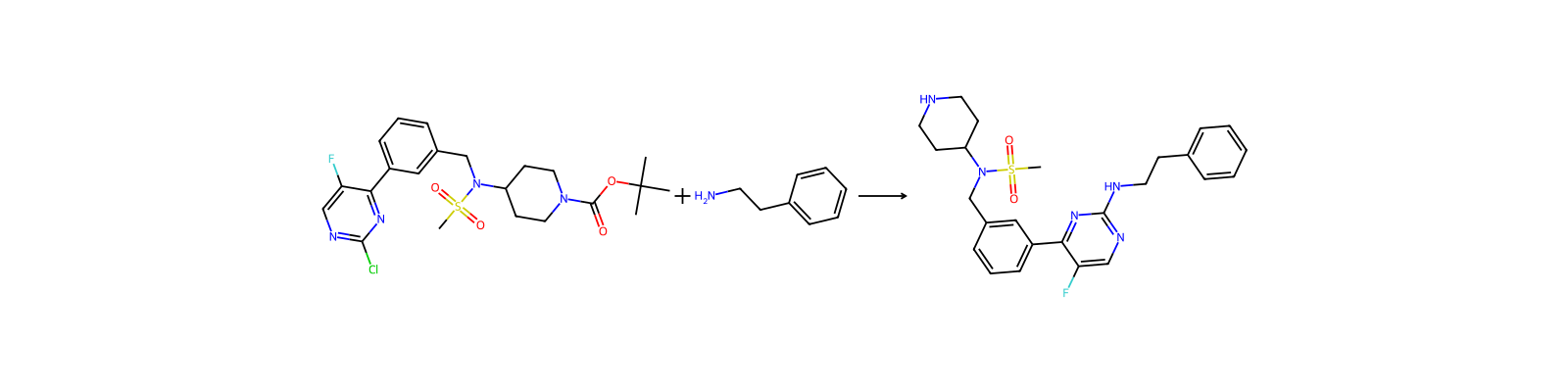
1,254 records





Linked notes
Loading…