

Basic information
- Standard SMILES
CCCCCON=O- InChIKey
CSDTZUBPSYWZDX-UHFFFAOYSA-N- Molecular formula
- C5H11NO2
- Average molar mass
- 117.15 g/mol
- Monoisotopic mass
- 117.07897859
Overview
N-pentyl nitrite is a nitrite ester having n-pentyl as the alkyl group. It has a role as a vasodilator agent.
Names & identifiers
- Preferred name
- Pentyl nitrite
- IUPAC
- pentyl nitrite
- English name
- Pentyl nitrite
- Molecular formula
- C5H11NO2
- Molecular weight
- 117.15
Names & synonyms
Pentyl nitrite463-04-7n-Amyl nitriten-Pentyl nitriteNitrous acid, pentyl esterPentyl alcohol, nitriteH2HUX79FYKDTXSID3024522DTXCID804522CHEBI:55344RefChem:1094570207-332-7
Show more names
AMYL NITRITEitramylNitramylAmylNitrite>N-Phenyl nitrileTERT-NITROOCTANEn-Amyl nitrite, ≥95%
CCRIS 763UNII-H2HUX79FYKEINECS 207-332-7BRN 1701241AI3-25184HSDB 84684-01-00-01644 (Beilstein Handbook Reference)MFCD00036132
Database identifiers
- CAS
463-04-7- PubChem CID
- 10026
- DTXSID
DTXSID3024522- ChEMBL
CHEMBL3188202- ChEBI
CHEBI:55344- UNII
- H2HUX79FYK
- EC Number
- 207-332-7
- Nikkaji
- J95.753D
Properties
Computed structural properties
- XLogP
- 1.8
- Topological polar surface area
- 38.7 Ų
- Hydrogen bond donors
- 0
- Hydrogen bond acceptors
- 3
- Rotatable bonds
- 4
- Heavy atoms
- 8
- Formal charge
- 0
- Complexity
- 56.4
Experimental & physicochemical properties
DrugsPharmaceuticals -> Listed in ZINC15
SpringerMaterials PropertiesDielectric constant
OdorPeculiar ethereal, fruity odor
TastePungent, aromatic taste
Density0.8817 g/cu cm at 20 °C
Color/Form
Yellowish liquid
Clear, yellowish liquid
Solubility
Slightly soluble in water
Almost insoluble in water
Miscible with ethanol, ethyl ether
3.97e+00 g/L
Boiling Point104.5 °C
DecompositionWhen heated to decomposition it emits toxic fumes of /nitrogen oxides/.
Vapor Pressure3.97 mm Hg at 25 °C
Refractive IndexIndex of refraction: 1.3851 at 20 °C/D
Physical DescriptionLiquid
Physicochemical properties
- Boiling point
- 104 · 104-105°C
- Density
- 0 · 0,86 g/cm3
- vapor density
- 4 · 4
- vapor pressure
- 65 hPa · 65 hPa (20 °C)
- refractive index
- 1.388 · 1.3880-1.3910
- Flash point
- -40 °C · -40°C
- storage temp.
- 2 °C · Store at +2°C to +8°C.
- solubility
- Decomposes in contact with water,Practically insoluble in water
- form
- clear liquid
- color
- Clear, yellowish liquid
- Odor
- peculiar, ethereal, fruityodor and pungent, aromatic taste
- Water Solubility
- 3.97 g/L · 3.97g/L
- Stability
- Light Sensitive, Volatile
- InChI
- 1S/C5H11NO2/c1-2-3-4-5-8-6-7/h2-5H2,1H3
- InChIKey
- CSDTZUBPSYWZDX-UHFFFAOYSA-N
- SMILES
- CCCCCON=O
- LogP
- 2.85 · 2.85
- CAS DataBase Reference
- 463 · 463-04-7(CAS DataBase Reference)
- EWG's Food Scores
- 1 · 1
- FDA UNII
- 2 HUX79FYK · H2HUX79FYK
- NIST Chemistry Reference
- Amyl nitrite(463-04-7)
- EPA Substance Registry System
- Amyl nitrite (463-04-7)
- UNSPSC Code
- 12352108 · 12352108
- NACRES
- 22 · NA.22
- Symbol(GHS)
- 2 · GHS02,GHS07
- Signal word
- Danger
- Hazard statements
- 302 · H302+H332-H225
- Precautionary statements
- 501 · P501-P270-P240-P261-P210-P233-P243-P241-P242-P271-P264-P280-P370+P378-P303+P361+P353-P301+P312+P330-P304+P340+P312-P403+P235
- Hazard Codes
- F,Xn
- Risk Statements
- 11 · 11-20/22
- Safety Statements
- 16 · 16-24-45-46
- RIDADR
- 1113 · 1113
- WGK Germany
- 3 · 3
- RTECS
- 1140000 · RA1140000
- Autoignition Temperature
- 205 °C · 205 °C
- TSCA
- TSCA listed
- HazardClass
- 3.1 · 3.1
- PackingGroup
- II
- HS Code
- 29209085 · 29209085
- Storage Class
- 3 · 3 - Flammable liquids
- Hazard Classifications
- 4 InhalationAcute · Acute Tox. 4 InhalationAcute Tox. 4 OralFlam. Liq. 2
- Hazardous Substances Data
- 463 · 463-04-7(Hazardous Substances Data)
- Toxicity
- 1 mg/plate · mmo-sat 1 mg/plate BSIBAC 56,816,80
- REACH Registrations
- Active
Safety & regulation
GHS classification
GHS Classification
Danger
H225: Highly Flammable liquid and vapor [Danger Flammable liquids]
P210, P233, P240, P241, P242, P243, P261, P264, P270, P271, P280, P301+P317, P303+P361+P353, P304+P340, P317, P330, P370+P378, P403+P235, and P501 (click each P-code to see the statement)
Danger
H225 (100%): Highly Flammable liquid and vapor [Danger Flammable liquids]
P203, P210, P233, P240, P241, P242, P243, P260, P261, P264, P264+P265, P270, P271, P272, P273, P280, P301+P317, P301+P330+P331, P302+P352, P302+P361+P354, P303+P361+P353, P304+P340, P305+P354+P338, P316, P317, P318, P321, P330, P333+P317, P362+P364, P363, P370+P378, P391, P403+P235, P405, and P501 (click each P-code to see the statement)
Hazard information
Regulatory Information
Status: Active Update: 11-08-2022 https://echa.europa.eu/registration-dossier/-/registered-dossier/27436
Amyl nitrite: Does not have an individual approval but may be used under an appropriate group standard
Other Safety InformationIMAP assessments - Nitrous acid, pentyl ester: Environment tier I assessment
Fire Potential
This chemical is a flammable liquid. /Amyl nitrites/
Flammable when exposed to heat or flame or by spontaneous chemical reaction.
DOT Emergency Guidelines
/GUIDE 129 FLAMMABLE LIQUIDS (Water-Miscible/Noxious)/ Fire or Explosion: HIGHLY FLAMMABLE: Will be easily ignited by heat, sparks or flames. Vapors may form explosive mixtures with air. Vapors may travel to source of ignition and flash back. Most vapors are heavier than air. They will spread along ground and collect in low or confined areas (sewers, basements, tanks). Vapor explosion hazard indoors, outdoors or in sewers. Those substances designated with a (P) may polymerize explosively when heated or involved in a fire. Runoff to sewer may create fire or explosion hazard. Containers may explode when heated. Many liquids are lighter than water.
/GUIDE 129 FLAMMABLE LIQUIDS (Water-Miscible/Noxious)/ Health: May cause toxic effects if inhaled or absorbed through skin. Inhalation or contact with material may irritate or burn skin and eyes. Fire will produce irritating, corrosive and/or toxic gases. Vapors may cause dizziness or suffocation. Runoff from fire control or dilution water may cause pollution.
/GUIDE 129 FLAMMABLE LIQUIDS (Water-Miscible/Noxious)/ Public Safety: CALL Emergency Response Telephone Number on Shipping Paper first. If Shipping Paper not available or no answer, refer to appropriate telephone number listed on the inside back cover. As an immediate precautionary measure, isolate spill or leak area for at least 50 meters (150 feet) in all directions. Keep unauthorized personnel away. Stay upwind, uphill and/or upstream. Ventilate closed spaces before entering.
/GUIDE 129 FLAMMABLE LIQUIDS (Water-Miscible/Noxious)/ Protective Clothing: Wear positive pressure self-contained breathing apparatus (SCBA). Structural firefighters' protective clothing will only provide limited protection.
For more DOT Emergency Guidelines (Complete) data for n-Amyl nitrite (8 total), please visit the HSDB record page.
Other Hazardous ReactionsAn oxidixing material.
Toxic Combustion ProductsPoisonous gases, including nitrogen oxides, are produced in fire. /Amyl nitrites/
Hazard Classes and Categories
Flam. Liq. 2 (100%)
Flammable liquid - category 2
Flam. Liq. 2
Shipment Methods and Regulations
No person may /transport,/ offer or accept a hazardous material for transportation in commerce unless that person is registered in conformance ... and the hazardous material is properly classed, described, packaged, marked, labeled, and in condition for shipment as required or authorized by ... /the hazardous materials regulations (49 CFR 171-177)./
The International Air Transport Association (IATA) Dangerous Goods Regulations are published by the IATA Dangerous Goods Board pursuant to IATA Resolutions 618 and 619 and constitute a manual of industry carrier regulations to be followed by all IATA Member airlines when transporting hazardous materials. Amyl nitrite is included on the dangerous goods list.
The International Maritime Dangerous Goods Code lays down basic principles for transporting hazardous chemicals. Detailed recommendations for individual substances and a number of recommendations for good practice are included in the classes dealing with such substances. A general index of technical names has also been compiled. This index should always be consulted when attempting to locate the appropriate procedures to be used when shipping any substance or article. Amyl nitrite is included on the dangerous goods list.
Shipping Name/ Number DOT/UN/NA/IMO
UN 1113; Amyl nitrite
IMO 3; Amyl nitrite
Explosive Limits and Potential
Reported to be an explosion hazard when exposed to air and light. /Amyl nitrites/
Vapor explode when heated.
Hazardous Reactivities and Incompatibilities
Forms explosive mixture with air. Slowly decomposes in light, heat, and on contact with water. A strong oxidizer. Contact with reducing agents and easily oxidizable materials may cause fire and explosions. Reported to be an explosion hazard when exposed to air and light. Keep away from alcohols, antipyrine, alkaline materials; alkaline carbonates; potassium iodide, bromides, and ferrous salts. Attacks metals in the presence of moisture. /Amyl nitrites/
It will react with oxidizing or reducing materials.
Safety & protection
Firefighting Hazards
Vapors are heavier than air and will collect in low areas. Vapors may travel long distances to ignition sources and flashback. Vapors in confined areas may explode when exposed to fire. Storage containers and parts of containers may rocket great distances, in many directions. /Amyl nitrites/
Fire Fighting Procedures
Use dry chemical, carbon dioxide, or alcohol foam extinguishers. ... If material or contaminated runoff enters waterways, notify downstream users of potentially contaminated waters. Notify local health and fire officials and pollution control agencies. From a secure, explosion-proof location, use water spray to cool exposed containers. If cooling streams are ineffective (venting sound increases in volume and pitch, tank discolors, or shows any signs of deforming), withdraw immediately to a secure position. ... The only respirators recommended for firefighting are self-contained breathing apparatuses that have full face-pieces and are operated in a pressure-demand or other positive-pressure mode. /Amyl nitrites/
To fight fire, use alcohol foam.
If material on fire or involved in fire: Do not extinguish fire unless flow can be stopped. Use water in flooding quantities as fog. Solid streams of water may spread fire. Cool all affected containers with flooding quantities of water. Apply water from as far a distance as possible. Use foam, dry chemical, or carbon dioxide.
Storage Conditions
Store in a flammable liquid storage area or approved cabinet away from ignition sources and corrosive and reactive materials. Prior to working with this chemical you should be trained on its proper handling and storage. Before entering confined space where amyl nitrite may be present, check to make sure that an explosive concentration does not exist. Store in an explosion-proof refrigerator. Protect from light. Keep under an inert atmosphere. Metal containers involving the transfer of this chemical should be grounded and bonded. Where possible, automatically pump liquid from drums or other storage containers to process containers. Drums must be equipped with self-closing valves, pressure vacuum bungs, and flame arresters. Use only nonsparking tools and equipment, especially when opening and closing containers of this chemical. Sources of ignition, such as smoking and open flames, are prohibited where this chemical is used, handled, or stored in a manner that could create a potential fire or explosion hazard. /Amyl nitrites/
Cleanup Methods
Evacuate persons not wearing protective equipment from area of spill or leak until cleanup is complete. Remove all ignition sources. Ventilate area of spill or leak. Use water spray to reduce vapors. Absorb liquids in vermiculite, dry sand, earth, or a similar material and deposit in sealed containers. Keep amyl nitrite out of a confined space, such as a sewer, because of the potential for an explosion, unless the sewer is designed to prevent the buildup of explosive concentrations. It may be necessary to contain and dispose of this chemical as a hazardous waste. If material or contaminated runoff enters waterways, notify downstream users of potentially contaminated waters. /Amyl nitrites/
Environmental considerations - land spill: Dig a pit, pond, lagoon, holding area to contain liquid or solid material. Dike surface flow using soil, sand bags, foamed polyurethane, or foamed concrete. Absorb bulk liquid with fly ash, cement powder, or commercial sorbents.
Environmental considerations - water spill: Use natural barriers or oil spill control booms to limit spill travel. Remove trapped material with suction hoses.
Environmental considerations - air spill: Apply water spray or mist to knock down vapors.
Disposal Methods
SRP: Recycle any unused portion of the material for its approved use or return it to the manufacturer or supplier. Ultimate disposal of the chemical must consider: the material's impact on air quality; potential migration in air, soil or water; effects on animal, aquatic and plant life; and conformance with environmental and public health regulations. If it is possible or reasonable use an alternative chemical product with less inherent propensity for occupational harm/injury/toxicity or environmental contamination.
Incineration with scrubber to remove nitrogen oxides from the combustion gases. /Amyl nitrites/
Preventive Measures
Employees should wash immediately with soap when skin is wet or contaminated. Provide emergency showers and eyewash. /Amyl nitrites/
If material not on fire and not involved in fire: Keep sparks, flames, and other sources of ignition away. Keep material out of water sources and sewers. Build dikes to contain flow as necessary. Attempt to stop leak if without undue personnel hazard. Use water spray to knock-down vapors.
Personnel protection: Avoid breathing vapors. Keep upwind. ... Do not handle broken packages unless wearing appropriate personal protective equipment. Wash away any material which may have contacted the body with copious amounts of water or soap and water.
Personal Protective Equipment (PPE)
Wear protective gloves and clothing to prevent any reasonable probability of skin contact. .... All protective clothing (suits, gloves, footwear, headgear) should be clean, available each day, and put on before work. ... Wear splash-proof chemical goggles and face shield unless full face-piece respiratory protection is worn. /Amyl nitrites/
Toxicology
Environmental Fate
TERRESTRIAL FATE: Based on a classification scheme(1), an estimated Koc value of 440(SRC), determined from a structure estimation method(2), indicates that n-amyl nitrite is expected to have moderate mobility in soil(SRC). Volatilization of n-amyl nitrite from moist soil surfaces is expected to be an important fate process(SRC) given an estimated Henry's Law constant of 2.0X10⁻⁴ atm-cu m/mole(SRC), developed using a fragment constant estimation method(2). n-Amyl nitrite is expected to volatilize from dry soil surfaces(SRC) based upon a vapor pressure of 3.97 mm Hg at 25 °C(3). Biodegradation data in soil were not available(SRC, 2018).
AQUATIC FATE: Based on a classification scheme(1), an estimated Koc value of 440(SRC), determined from a structure estimation method(2), indicates that n-amyl nitrite is not expected to adsorb to suspended solids and sediment(SRC). Volatilization from water surfaces is expected(3) based upon an estimated Henry's Law constant of 2.0X10⁻⁴ atm-cu m/mole(SRC), developed using a fragment constant estimation method(2). Using this Henry's Law constant and an estimation method(3), volatilization half-lives for a model river and model lake are 8 hrs and 6 days, respectively(SRC). According to a classification scheme(4), an estimated BCF of 35(SRC), from an estimated log Kow of 2.85(2) and a regression-derived equation(2), suggests the potential for bioconcentration in aquatic organisms is moderate(SRC). Biodegradation data in water were not available(SRC, 2018).
ATMOSPHERIC FATE: According to a model of gas/particle partitioning of semivolatile organic compounds in the atmosphere(1), n-amyl nitrite, which has a vapor pressure of 3.97 mm Hg at 25 °C(2), is expected to exist solely as a vapor in the ambient atmosphere. Vapor-phase n-amyl nitrite is degraded in the atmosphere by reaction with photochemically-produced hydroxyl radicals(SRC); the half-life for this reaction in air is estimated to be 4 days(SRC), calculated from its rate constant of 4.25X10⁻¹² cu cm/molecule-sec at 25 °C(3). n-Amyl nitrite absorbs UV light at wavelength 356 nm(4) and, therefore, may be susceptible to direct photolysis by sunlight(SRC).
Toxicity Summary
IDENTIFICATION AND USE: Amyl nitrite is a clear, yellowish liquid. Amyl nitrite is a smooth muscle relaxant that has been used clinically to facilitate uterine relaxation in difficult deliveries. The use of amyl nitrite has been associated with sexual risk behavior and HIV infection among gay and bisexual men. HUMAN STUDIES: Inhalation of amyl nitrite by human volunteers in a gas mask and from ampoules crushed close to the nose did not induce hemoglobin oxidation, but it was associated with headache, tiredness, dizziness, and a fall in blood pressure. Two cases of amyl nitrite poisoning were presented. In both cases, severe methemoglobinemia developed after ingestion of approximately 10 mL of amyl nitrite. When admitted to hospital, both patients were deeply cyanosed, and arterial blood samples were noticed to be chocolate brown. There is also a case of a 37-year-old black man with HIV who developed chemical leukoderma in the nasal and perioral areas within 4 weeks of spilling liquid amyl nitrite, which he had been inhaling as a recreational drug, on his lower face. A case of blinding bilateral acute optic nerve disease was reported in a 15-year-old male apparently induced by inhalation of amyl nitrite. A patient with HIV infection developed a profound hemolytic anemia after repeated inhalation of large quantities of amyl nitrite. Amyl nitrite 'poppers' are recreational drugs, which are a potent source of nitric oxide. The use of 'poppers' can cause psychoactive stimulation, reduced blood pressure, tachycardia and involuntary muscle relaxation. In addition, research has found that popper use suppresses natural killer (NK) cell function, which increases vulnerability to infectious agents, produces sustained alterations in the immune system, and may be a Kaposi's sarcoma (KS) cofactor. The combined data implicate that the use of poppers may well pose as a significant risk factor for seroconversion. ANIMAL STUDIES: Amyl nitrite i.v. produced HbFe3+ much more rapidly than NaNO2 in dogs, cats, rabbits, and rats. In dogs, i.m. injection of amyl nitrite was followed by a very slow linear increase in the HbFe3+ content. Inhalation of amyl nitrite did not lead to HbFe3+ formation in dogs unless it was rebreathed in a closed (bag) or not completely open (gas mask) system. HbFe3+ was produced by oral amyl nitrite in dogs, the effect being enhanced by addition of DMSO. Intratracheal inhalation of amyl nitrite in the pentobarbitone/urethane anesthetized rabbit caused reductions in tidal volume and both inspiratory and expiratory times, without a preceding apnea, that were independent of the associated hypotension and of reflex influences from the carotid sinus region but dependent on supra-abdominal vagal integrity. In artificially ventilated, paralyzed rabbits amyl nitrite caused a pronounced sensitization of pulmonary stretch receptors during the inflation phase, typically with a reduction in the level of activity during the deflation phase. When tested for genotoxicity, amyl nitrite, was negative in the mouse lymphoma assay, but it was positive in the Salmonella typhimurium mutagenicity assay.
Ongoing Test Status
The following link will take the user to the National Toxicology Program (NTP) Test Status of Agents Search page, which tabulates the results and current status of tests such as "Short-Term Toxicity Studies", "Long-term Carcinogenicity Studies", "Developmental Studies", "Genetic Toxicology Studies", etc., performed with this chemical. Testing status for amyl nitrite is available.[Available from, as of February 1, 2019: https://ntpsearch.niehs.nih.gov/?e=True&ContentType=Testing+Status]
EPA has released the Interactive Chemical Safety for Sustainability (iCSS) Dashboard. The iCSS Dashboard provides an interactive tool to explore rapid, automated (or in vitro high-throughput) chemical screening data generated by the Toxicity Forecaster (ToxCast) project and the federal Toxicity Testing in the 21st century (Tox21) collaboration. /The title compound was tested by ToxCast and/or Tox21 assays/[USEPA; ICSS Dashboard Application; Available from, as of February 4, 2019: http://actor.epa.gov/dashboard/]
Soil Adsorption/Mobility
Using a structure estimation method based on molecular connectivity indices(1), the Koc of n-amyl nitrite can be estimated to be 440(SRC). According to a classification scheme(2), this estimated Koc value suggests that amyl nitrite is expected to have moderate mobility in soil(SRC).
Human Toxicity Excerpts
/HUMAN EXPOSURE STUDIES/ Regional cerebral blood flow (CBF), mood states and somatic symptoms were measured before and after inhalation of amyl nitrite in 10 physically healthy volunteers with a prior history of using volatile nitrites for recreational purposes. CBF was measured with the same technique, under identical laboratory conditions, in an equal number of normal volunteers. During CBF measurements, blood pressure, pulse rate, respiratory rate and end-tidal levels of carbon dioxide were monitored. The amyl nitrite group and the control group were compared on CBF, rating scale scores and physiological indices via analysis of variance. Amyl nitrite inhalation was associated with significant global increases in CBF, while the control group did not show any change. Pulse rate increase was the only physiological change associated with administration of the drug. Subjects who received the drug reported significant decrease in anger, fatigue and depression and increased palpitation, breathing difficulty, dizziness and headache. Changes in the rating scale scores, physiological indices, and somatic symptoms after amyl nitrite did not correlate with regional CBF change.
/SIGNS AND SYMPTOMS/ ... The use of 'poppers' can cause psychoactive stimulation, reduced blood pressure, tachycardia and involuntary muscle relaxation. ...
/SIGNS AND SYMPTOMS/ Moderately toxic by inhalation and ingestion. Causes flushing of skin, rapid pulse, headache, and fall in blood pressure.
/CASE REPORTS/ Two cases of amyl nitrite poisoning are presented. In both cases, severe methemoglobinemia developed after ingestion of approximately 10 mL of amyl nitrite. When admitted to hospital, both patients were deeply cyanosed, and arterial blood samples were noticed to be chocolate brown. They were intravenously treated with methylene blue. Within one hour the condition of both patients had improved dramatically, and blood gas-samples had normalized. In cases of cyanosis with no obvious genesis, poisoning with amyl nitrite should be considered.
For more Human Toxicity Excerpts (Complete) data for n-Amyl nitrite (18 total), please visit the HSDB record page.
Artificial Pollution Sources
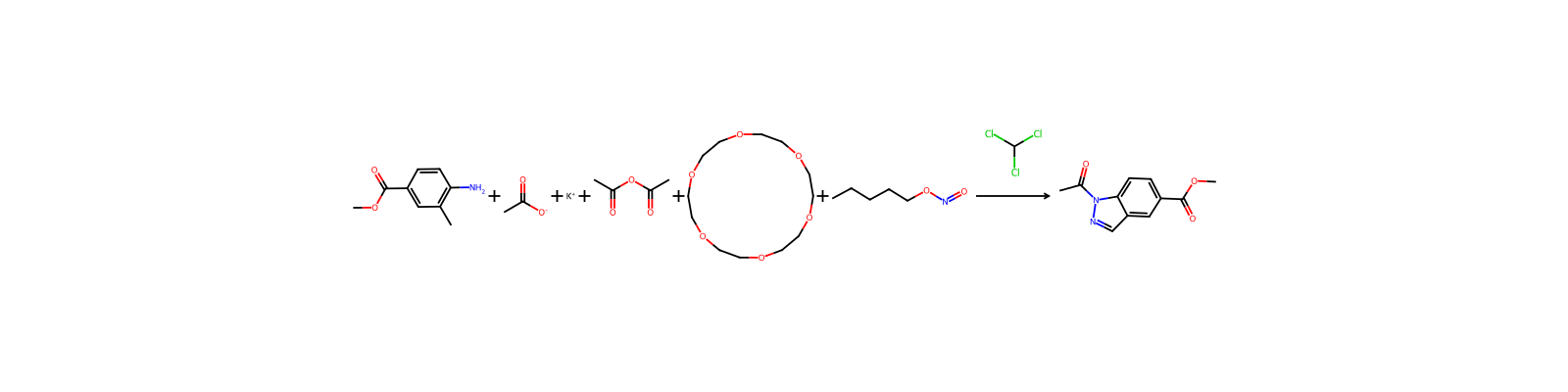
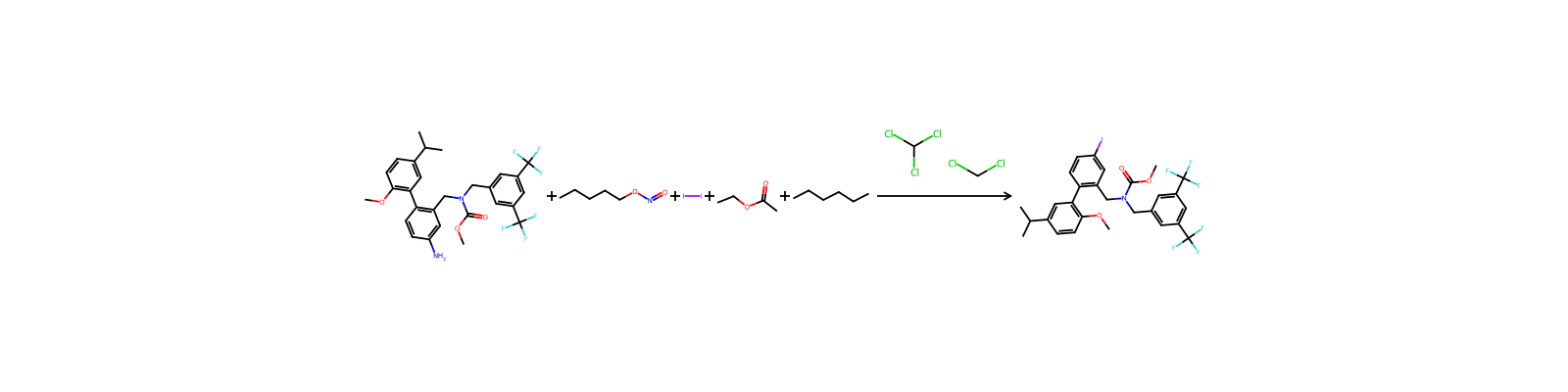
n-Amyl nitrite's production and use as a chemical intermediate for diazonium compounds(1) and administration as a prescribed, homeopathic medication(2,3) may result in its release to the environment through various waste streams. Its use in perfumes(1) and as a inhalant(2,3) as well as a drug of abuse(2,4) will result in its direct release to the environment(SRC).
Environmental Bioconcentration
An estimated BCF of 35 was calculated in fish for n-amyl nitrite(SRC), using an estimated log Kow of 2.85(1) and a regression-derived equation(1). According to a classification scheme(2), this BCF suggests the potential for bioconcentration in aquatic organisms is moderate(SRC).
Volatilization from Water/Soil
The Henry's Law constant for n-amyl nitrite is estimated as 2.0X10⁻⁴ atm-cu m/mole(SRC) developed using a fragment constant estimation method(1). This Henry's Law constant indicates that n-amyl nitrite is expected to volatilize from water surfaces(2). Based on this Henry's Law constant, the volatilization half-life from a model river (1 m deep, flowing 1 m/sec, wind velocity of 3 m/sec)(2) is estimated as 8 hours(SRC). The volatilization half-life from a model lake (1 m deep, flowing 0.05 m/sec, wind velocity of 0.5 m/sec)(2) is estimated as 6 days(SRC). n-Amyl nitrite's Henry's Law constant indicates that volatilization from moist soil surfaces may occur(SRC). n-Amyl nitrite is expected to volatilize from dry soil surfaces(SRC) based upon a vapor pressure of 3.97 mm Hg(3).
Non-Human Toxicity Excerpts
/LABORATORY ANIMALS: Acute Exposure/ Intratracheal inhalation of amyl nitrite, a non-specific smooth muscle relaxant, in the pentobarbitone/urethane anesthetized rabbit caused reductions in tidal volume and both inspiratory and expiratory times, without a preceding apnea, that were independent of the associated hypotension and of reflex influences from the carotid sinus region but dependent on supra-abdominal vagal integrity. In artificially ventilated, paralyzed rabbits amyl nitrite caused a pronounced sensitization of pulmonary stretch receptors (PSRs) during the inflation phase, typically with a reduction in the level of activity during the deflation phase. The time course of the change in the pattern of PSR activity paralleled that of the tachypneic response. The sensitization of a small sample of rapidly adapting 'irritant' receptors was of a significantly shorter duration. A unitary analysis of non-myelinated vagal afferents was not attempted. The sensitization of these vagal afferents cannot be attributed to the smooth muscle relaxant properties of amyl nitrite since other relaxants (sodium nitrite, sodium nitroprusside, phentolamine) did not possess this capacity, and such properties would be expected to diminish their activities.
/LABORATORY ANIMALS: Acute Exposure/ In the pentobarbitone/urethane anesthetized rabbit and pentobarbitone anesthetized cat intratracheal inhalation of amyl nitrite, a non-specific smooth muscle relaxant, caused a vagally dependent depression of patellar reflex and spontaneous (thermal shivering and external intercostal inspiratory) motor activities. A prolonged vagally-independent potentiation succeeded the initial inhibition. The potentiation of intercostal activity may account for the increase in tidal volume produced by amyl nitrite after vagotomy. The patellar reflex potentiation survived thoracolumbar spinal transection but could not be attributed to a direct facilitation of neuromuscular or muscular events. A correlation existed between the relative dependence of fusimotor support of a muscle and its susceptibility to the inhibitory and subsequent facilitatory affects of amyl nitrite inhalation. The diaphragm and interchondral muscles, essentially independent of the autogenetic facilitation provided by muscle spindles, demonstrated neither of these effects. Conversely, the intercostal muscles depend greatly on such facilitation, as do the pectoral and limb muscles during thermal shivering.
/GENOTOXICITY/ When the AIDS epidemic was in its earliest stages, and prior to identification of HIV as the etiological factor, the use of volatile nitrites by the male homosexual community to enhance sexual activities appeared to have a significant role in this disease. Preliminary observations indicated that the portion of the male homosexual community which developed Kaposi's sarcoma were also heavy nitrite users. These nitrites had been demonstrated to be mutagenic in bacteria and thus it was postulated that they could be responsible for the appearance of the sarcoma. To evaluate further the genotoxic activity of these chemicals, six nitrites, including those most commonly used by homosexuals for sexual gratification, were selected for testing in the mouse lymphoma TK+/- and Salmonella typhimurium mutagenicity assays. One chemical, n-amyl nitrite, was negative in the mouse lymphoma assay, while the other five chemicals, n-butyl, isobutyl, iso-amyl, sec-butyl, and n-propyl nitrite, were positive. All six compounds were positive in the Salmonella assay. The mutagenic and known toxic effects of these chemicals remain a concern because a large population of teenagers and young adults continue to abuse these substances.
/OTHER TOXICITY INFORMATION/ The ferrihemoglobin (HbFe3+) formation by amyl nitrite (AN) or sodium nitrite (NaNO2) was studied in different species including man, in vivo and in vitro. In in vivo studies AN was administered intravenously (i.v.), intramuscularly (i.m.), by inhalation, or orally. NaNO2 was injected i.v.. AN i.v. produced HbFe3+ much more rapidly than NaNO2 in dogs, cats, rabbits, and rats. In dogs, i.m. injection of AN was followed by a very slow linear increase in the HbFe3+ content. Inhalation of AN did not lead to HbFe3+ formation in dogs unless it was rebreathed in a closed (bag) or not completely open (gas mask) system. HbFe3+ was produced by oral AN in dogs, the effect being enhanced by addition of DMSO. Inhalation of AN by human volunteers in a gas mask and from ampoules crushed close to the nose did not induce hemoglobin oxidation to a practically significant extent, but it was associated with headache, tiredness, dizziness, and a fall in blood pressure. In in vitro studies, in contrast to NaNO2, AN produced HbFe3+ instantaneously in erythrocytes of various species and in purified human hemoglobin. AN 1 mol yielded 2 mol Fe3+. Only 20% of the oxygen released during the oxidation of hemoglobin by AN or NaNO2 was recovered. In 0.2 M phosphate buffer, pH 7.4, 0.01 mol O2/mol AN was consumed. CO2 was released in the presence of AN, but not of NaNO2, from blood, plasma, and 0.02 M NaHCO3 solution. The ratio (lactate)/(pyruvate) decreased when HbFe3+ was formed by AN or NaNO2.
Environmental Abiotic Degradation
The rate constant for the vapor-phase reaction of n-amyl nitrite with photochemically-produced hydroxyl radicals is 4.25X10⁻¹² cu cm/molecule-sec at 25 °C(SRC) using a structure estimation method(1). This corresponds to an atmospheric half-life of about 4 days at an atmospheric concentration of 5X10+5 hydroxyl radicals per cu cm(2). n-Amyl nitrite is expected to undergo hydrolysis in the environment due to the presence of functional groups that hydrolyze under environmental conditions(3). n-Amyl nitrite absorbs UV light at wavelength 356 nm(3) and, therefore, may be susceptible to direct photolysis by sunlight(SRC).
Probable Routes of Human Exposure
Occupational exposure to n-amyl nitrite may occur through inhalation and dermal contact with this compound at workplaces where n-amyl nitrite is produced or used. Use data indicate that the general population may be exposed to n-amyl nitrite via inhalation of perfumes and administration or abuse of medical inhalants and homeopathic remedies containing n-amyl nitrite. (SRC)
Environmental Fate/Exposure Summary
n-Amyl nitrite's production and use as a chemical intermediate for diazonium compounds and administration as a prescribed or homeopathic medication may result in its release to the environment through various waste streams. Its use in perfumes and as a inhalant as well as a drug of abuse will result in its direct release to the environment. If released to air, a vapor pressure of 3.97 mm Hg at 25 °C indicates n-amyl nitrite will exist solely as a vapor in the atmosphere. Vapor-phase n-amyl nitrite will be degraded in the atmosphere by reaction with photochemically-produced hydroxyl radicals; the half-life for this reaction in air is estimated to be 4 days. n-Amyl nitrite absorbs UV light at wavelength 356 nm and, therefore, may be susceptible to direct photolysis by sunlight. If released to soil, n-amyl nitrite is expected to have moderate mobility based upon an estimated Koc of 440. Volatilization from moist soil surfaces is expected to be an important fate process based upon an estimated Henry's Law constant of 2.0X10⁻⁴ atm-cu m/mole. n-Amyl nitrite may volatilize from dry soil surfaces based upon its vapor pressure. Biodegradation data in soil or water were not available. If released into water, n-amyl nitrite is expected to adsorb to suspended solids and sediment based upon the estimated Koc. Volatilization from water surfaces is expected to be an important fate process based upon this compound's estimated Henry's Law constant. Estimated volatilization half-lives for a model river and model lake are 8 hrs and 6 days, respectively. An estimated BCF of 35 suggests the potential for bioconcentration in aquatic organisms is moderate. Hydrolysis is expected to be an important environmental fate process since this compound contains functional groups that hydrolyze under environmental conditions (pH 5 to 9). Occupational exposure to n-amyl nitrite may occur through inhalation and dermal contact with this compound at workplaces where n-amyl nitrite is produced or used. Use data indicate that the general population may be exposed to n-amyl nitrite via inhalation of perfumes and administration or abuse of medical inhalants and homeopathic remedies containing n-amyl nitrite. (SRC)
Safety data
- wgk
- 3
- tsca
- TSCA listed
- rtecs
- RA1140000
- ridadr
- 1113
- hs_code
- 29209085
- Toxicity
- mmo-sat 1 mg/plate BSIBAC 56,816,80
- risk_code
- 11-20/22
- Signal word
- Danger
- Symbol(GHS)
- GHS02,GHS07
- hazard_code
- F,Xn
- safety_code
- 16-24-45-46
- hazard_class
- 3.1
- Storage Class
- 3 - Flammable liquids
- packing_group
- II
- Hazard statements
- H302+H332-H225
- REACH Registrations
- Active
- Hazard Classifications
- Acute Tox. 4 InhalationAcute Tox. 4 OralFlam. Liq. 2
- Autoignition Temperature
- 205 °C
- Precautionary statements
- P501-P270-P240-P261-P210-P233-P243-P241-P242-P271-P264-P280-P370+P378-P303+P361+P353-P301+P312+P330-P304+P340+P312-P403+P235
- Hazardous Substances Data
- 463-04-7(Hazardous Substances Data)
Chemistry & industry
Pharmacology
Cellular LocationsCytoplasm
Uses & manufacturing
Uses
Perfumes, diazonium compounds.
MEDICATION
Methods of ManufacturingInteraction of amyl alcohol with nitrous acid.
Formulations/PreparationsGrade: NF, (75% minimum), technical.
General Manufacturing Information
Nitrous acid, pentyl ester: ACTIVE
Mixture of isomers containing not less than 97.0% and not more than 100.0% of C5H11NO2. Consists chiefly of isoamyl nitrite ... but other isomers are also present.
Applications
DescriptionAmyl nitrites are flammable, yellowishliquid with a penetrating, fruity odor. Molecularweight= 117.17; Boiling point= 104℃; Specific gravity(H2O:1)= 0.8758 at 20℃; Liquid surface tension= 5 (estimate) 0.020 N/m at 20℃; Liquid water interfacialtension 5 (estimate) 0.040 N/m at 20℃; Relative vapordensity (air= 1) 5 4; Ratio of specific heats of vapor(gas) 5 1.0709; Latent heat of vaporization=4.94 3 105 J/kg; Heat of combustion 5 2 290 3 105 J/kg;Vapor pressure= (estimate) 27 mmHg; 3.48 kPa at 20℃;Flash point= 3℃ (n-); 3℃ (iso-); Autoignitiontemperature= 209°210℃. Hazard Identification (basedon NFPA-704 M Rating System): Health 1, Flammability-,Reactivity 2. Floats on water; very slightly soluble;decomposes.
UsesAmyl Nitrite is used in the treatment of erectile dysfunction.
General DescriptionA clear colorless to yellowish liquid with a fragrant, fruity odor and pungent aromatic taste. Flash point below 73°F. Boiling point 205-210°F (96-99°C). Less dense than water and insoluble in water. Hence floats on water. Vapors are heavier than air. Produces toxic oxides of nitrogen during combustion. Used in medicine and to make other chemicals.
General DescriptionAmyl nitrite, isopentyl nitrite [(CH3)2CHCH2CH2ONO], isa mixture of isomeric amyl nitrites but is principally isoamylnitrite. It may be prepared from amyl alcohol and HNO2 byseveral procedures. Usually, amyl nitrite is dispensed in ampul form and used by inhalation or orally in alcohol solution.Currently, it is recommended for treating cyanide poisoning;although not the best antidote, it does not require intravenousinjections.Amyl nitrite is a yellowish liquid with an ethereal odor anda pungent taste. It is volatile and inflammable at room temperature.Amyl nitrite vapor forms an explosive mixture in air oroxygen. Inhalation of the vapor may involve definite explosionhazards if a source of ignition is present, as both roomand body temperatures are within the flammability range ofamyl nitrite mixtures with either air or oxygen. It is nearly insolublein water but is miscible with organic solvents. The nitritealso will decompose in valeric acid and nitric acid.
Upstream & downstream products
Upstream raw materials
Downstream products
Suppliers50 total
梯希爱(上海)化成工业发展有限公司021-67121386 · [email protected]
Shandong chuangyingchemical Co., Ltd.18853181302 · [email protected]
湖北成丰化工有限公司13125175253 · [email protected]
邹平创新药业有限公司13561560789 · [email protected]
杭州品高化工有限公司0571-87658025 · [email protected]
河北创海生物科技有限公司+86-86-13131129325 · [email protected]
爱斯特(成都)生物制药股份有限公司+86-28-85122536 85324413 · [email protected]
Baoji Guokang Healthchem co.,ltd+8615604608665 15604608665 · [email protected]
Dayang Chem (Hangzhou) Co.,Ltd.+86-0571-88938639 17705817739 · [email protected]
Hangzhou IKSChem Technology Co., Limited13625816949 · [email protected]
上海迈瑞尔生化科技有限公司4006356688 18621169109 · [email protected]
安耐吉化学&3A(安徽泽升科技股份有限公司)400-0056266 · [email protected]
山东洛克化工有限公司17653113209 13065062079 · [email protected]
南京诺利斯医药科技有限公司13901585132 · [email protected]
嘉兴市艾森化工有限公司0573-85285100 18627885956 · [email protected]
Hebei Shengyuan Jinlong Import and Export Co. LTD+86-17367750398 · [email protected]
山东西亚化学有限公司13355009207 13355009207 · [email protected]
广东大小化工有限公司1866-171603 18666171603 · [email protected]
玛雅试剂+86 (573) 82222445 (0)18006601000 452520369 · [email protected]
南京诺利斯医药科技有限公司13901585132 · [email protected]
TCI AMERICA800-4238616 · [email protected]
TOKYO CHEMICAL INDUSTRY CO., LTD.03-36680489 · [email protected]
TCI Europe320-37350700 · [email protected]
卡迪亚医药科技有限公司0371-86615086 18203638366 0371-86159066 13526786601
成都麦卡希化工有限公司028-85632863 18108198598 · [email protected]
北京京土恒盛化工科技有限公司00-13911456598 13911456598 · [email protected]
PT CHEM GROUP LIMITED+86-85511178; +86-85511178 · [email protected]
美岚实业(上海)有限公司021-58958189 · [email protected]
上海爱蝶实业有限公司021-58957966 18930537195 · [email protected]
杭州杰恒化工有限公司0571-87396432 · [email protected]
上海兴鲁化工科技有限公司02120970332 · [email protected]
Sigma-Aldrich西格玛奥德里奇(上海)贸易有限公司021-61415566 800-8193336 · [email protected]
九鼎化学(上海)科技有限公司4009209199 · [email protected]
常州安奈凯医药科技有限公司+86-0519-8359-8696 · [email protected]
河北缤享新材料科技有限公司+undefined-15703211689 · [email protected]
厦门志信化学有限公司+86-5922680277 +86-13806087780 · [email protected]
山东智尚新材料有限公司+8617653113209 · [email protected]
艾吉析科技(上海)有限公司17721401538;17717235263 17721401538 · [email protected]
上海阿拉丁生化科技股份有限公司6206333 13167063860 · [email protected]
上海岚克医药科技发展有限公司0086-21-58956006
上海傲广生物科技有限公司1735-4997695 17715859063
上海源叶生物科技有限公司13636370518 · [email protected]
山东西亚化学有限公司4009903999 13395398332 · [email protected]
湖北鑫源顺医药化工有限公司027-50664929, 13971561712 · [email protected]
广州市金华大化学试剂有限公司020-84383047 · [email protected]
上海达瑞精细化学品有限公司13816046603 · [email protected]
上海贤鼎生物科技有限公司021-021-52271985 17721149837 · [email protected]
成都康巴斯生物科技有限公司18582381569 · [email protected]
盼得(上海)国际贸易有限公司80159919 18662931292 · [email protected]
巴师傅(上海)生物医药科技有限公司60662071 18117346937 · [email protected]
Additional notes
DefinitionChEBI: A nitrite ester having n-pentyl as the alkyl group.
Related reactions
92 records



Linked notes
Loading…