
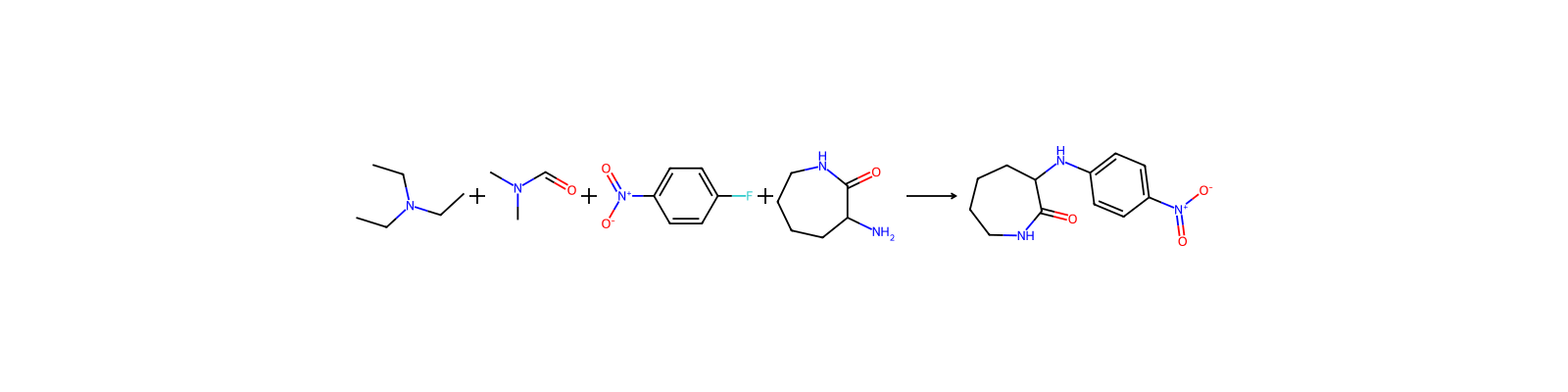
HRID 90865As reactant

17929-90-7NC1CCCCNC1=OBOWUOGIPSRVRSJ-UHFFFAOYSA-N2-aminohexano-6-lactam is an amino acid amide obtained by the intramolecular condensation of the terminal amino group with the carboxy group in lysine. It is an amino acid amide and a member of caprolactams. It is functionally related to an epsilon-caprolactam.
17929-90-7、671-42-1Safety information is for reference only and does not replace the supplier’s Safety Data Sheet (SDS), applicable regulations, or professional assessment.
Warning
H302+H332 (92.7%): Harmful if swallowed or if inhaled [Warning Acute toxicity, oral; acute toxicity, inhalation]
P261, P264, P264+P265, P270, P271, P280, P301+P317, P302+P352, P304+P340, P305+P351+P338, P317, P319, P321, P330, P332+P317, P337+P317, P362+P364, P403+P233, P405, and P501 (click each P-code to see the statement)
Aggregated GHS information provided per 41 reports by companies from 4 notifications to the ECHA C&L Inventory. Each notification may be associated with multiple companies.
Uses3-Aminoazepan-2-one is used in preparation of Triazolgoquinazolinamino Azepanones and Diazepanones as well as Triazoloquinazolinyl Amino Acid Amides as AHR inhibitors.
DefinitionChEBI: 2-aminohexano-6-lactam is an amino acid amide obtained by the intramolecular condensation of the terminal amino group with the carboxy group in lysine. It is a member of caprolactams and an amino acid amide. It is functionally related to an epsilon-caprolactam.



DTXSID60883255CHEMBL4538963CHEBI:19471