
HomeMCPWorkbenchSkills
HomeWorkbenchNotificationsMe
llms.txt · MCP GuidePrivacy Policy · Terms of Service · Supportv1.8.0
  1. Home
  2. /Compound

1-Propanol

HCID 1031
New noteNew reactionRequest quotes
Print preview
Basic informationOverviewNames & identifiersPropertiesSafety & regulationChemistry & industryRelated reactionsCompound notes
Substructure searchFind similar structures

Basic information

CAS
71-23-8
Standard SMILES
CCCO
InChIKey
BDERNNFJNOPAEC-UHFFFAOYSA-N
Molecular formula
C3H8O
Average molar mass
60.1 g/mol
Monoisotopic mass
60.05751487

Overview

N-propanol appears as a clear colorless liquid with a sharp musty odor like rubbing alcohol. Flash point 53-77 °F. Autoignites at 700 °F. Vapors are heavier than air and mildly irritate the eyes, nose, and throat. Density approximately 6.5 lb / gal. Used in making cosmetics, skin and hair preparations, pharmaceuticals, perfumes, lacquer formulations, dye solutions, antifreezes, rubbing alcohols, soaps, window cleaners, acetone and other chemicals and products.

Names & identifiers

Preferred name
1-Propanol
IUPAC
propan-1-ol
English name
1-Propanol
Molecular formula
C3H8O
Molecular weight
60.1

Names & synonyms

1-propanolpropanolPropyl alcoholPropan-1-oln-propanol71-23-8n-Propyl alcoholethylcarbinoloptalosmosol extraPropylic alcoholPropanol-1
Show more names
n-PrOHFEMA 2928n-propano
1-Propyl alcoholn-Propan-1-olPropanolePropanolenAlcohol, propylPropanoliEthyl carbinolAlcool propilico

Database identifiers

CAS
71-23-8
PubChem CID
1031
DTXSID
DTXSID2021739
ChEMBL
CHEMBL14687
ChEBI
CHEBI:28831
UNII
96F264O9SV
EC Number
200-746-9
Nikkaji
J1.422B

Properties

Computed structural properties

XLogP
0.3
Topological polar surface area
20.2 Ų
Hydrogen bond donors
1
Hydrogen bond acceptors
1
Rotatable bonds
1
Heavy atoms
4
Formal charge
0
Complexity
7.2

Experimental & physicochemical properties

Chemical ClassesFlammable agents - 3rd degree
DrugsPharmaceuticals -> Listed in ZINC15
LipidsFatty Acyls [FA] -> Fatty alcohols [FA05]
SolventsSolvents -> Alcohols (<C12)
Cosmetics · 2 items

Cosmetic ingredients (Propyl Alcohol) -> CIR (Cosmetic Ingredient Review)

Solvent; Antifoaming

SpringerMaterials PropertiesCoriolis coupling
FragrancesFragrance Ingredient (Propyl alcohol) -> IFRA transparency List
LogP · 4 items

log Kow= 0.25

0.25

0.25

0.28

Odor · 2 items

Similar to ethanol

Odor perception threshold: <0.07-100 mg/cu-m; odor recognition threshold: 0.32-150 mg/cu m

Taste · 3 items

Safety & regulation

Safety information is for reference only and does not replace the supplier’s Safety Data Sheet (SDS), applicable regulations, or professional assessment.

GHS classification

GHS Classification · 6 items

Danger

H225: Highly Flammable liquid and vapor [Danger Flammable liquids]

P210, P233, P240, P241, P242, P243, P261, P264+P265, P271, P280, P303+P361+P353, P304+P340, P305+P354+P338, P317, P319, P370+P378, P403+P233, P403+P235, P405, and P501 (click each P-code to see the statement)

This chemical does not meet GHS hazard criteria for < 0.1% (1 of 3950) of reports.

Danger

H225 (> 99.9%): Highly Flammable liquid and vapor [Danger Flammable liquids]

Hazard information

Regulatory Information · 6 items

Chemical: 1-Propanol

Regulation (EC) No 178/2002 (amended)

1-Propanol is listed on the EPA's Chemical Data Reporting (CDR) system. Manufacturers and importers of 1-Propanol are required to report information about their production and use of this chemical to the EPA under the Toxic Substances Control Act (TSCA). (40 eCFR Part 711)

REACH registered substance: Propan-1-ol (EC: 200-746-9)

1-Propanol: HSNO Approval: HSR001215 Approved with controls

The New Jersey Worker and Community Right to Know Act requires public and private employers to provide information about hazardous substances at their workplaces. (N.J.S.A. 34:5A-1 et. seq.)

Other Safety InformationIMAP assessments - 1-Propanol: Environment tier I assessment
DOT LabelFlammable Liquid
Fire Hazards · 4 items

Excerpt from ERG Guide 129 [Flammable Liquids (Water-Miscible / Noxious)]:

· HIGHLY FLAMMABLE: Will be easily ignited by heat, sparks or flames.

· HIGHLY FLAMMABLE: Will be easily ignited by heat, sparks or flames.

Highly flammable. Vapour/air mixtures are explosive. Risk of fire and explosion on contact with strong acids or strong oxidants.

Chemistry & industry

Pharmacology

ATC Code · 3 items

D08AX03

D - Dermatologicals

QD - Dermatologicals

Biological Half-LifeNo reports found; [TDR, p. 1052]
Metabolism/Metabolites · 5 items

... PROPANOL ... MAY FORM ETHEREAL ... /SULFATE/

1-PROPANOL IS METABOLIZED BY THE ENZYME ALCOHOL DEHYDROGENASE. IT IS READILY OXIDIZED IN THE BODY, FIRST TO PROPIONIC ACID AND THEN TO CARBON DIOXIDE, WATER AND PERHAPS A SMALL AMOUNT OF LACTIC ACID.

... HEPATIC MICROSOMES CATALYZED THE OXIDATION OF PROPANOL TO ITS ALDEHYDE IN THE RAT. THE REACTION REQUIRED OXYGEN & NICOTINAMIDE-ADENINE DINUCLEOTIDE PHOSPHATE, WAS INHIBITED BY CARBON DIOXIDE AND ACTED INDEPENDENTLY OF CATALASE & ALCOHOL DEHYDROGENASE.

Cytochrome p450 isozyme 3a, isolated from hepatic microsomes of rabbits treated chronically with ethyl alcohol, had a unique substrate specificity when compared with isozymes 2, 3b, 3c, and 4. Form 3a has unusually high activity in the p-hydroxylation of aniline and in the oxidation of alcohols to aldehydes. Isozyme 3a catalyzes the oxidation of methyl alcohol, propyl alcohol, and butanol as well as ethyl alcohol.

For more Metabolism/Metabolites (Complete) data for N-PROPANOL (6 total), please visit the HSDB record page.

Absorption, Distribution and Excretion · 4 items

PROPANOL-1 IS ABSORBED FROM GI TRACT & LUNGS. IT CAN BE ABSORBED FROM THE SKIN IF A SIGNIFICANT AMOUNT IS CONFINED TO THE SKIN. 1-PROPANOL IS ABSORBED MORE READILY THAN ETHANOL. ...

... USING ABDOMINAL AUTOPSY /HUMAN/ SKIN IN A DIFFUSION CHAMBER ... 1-PROPANOL PENETRATED THE SKIN MORE RAPIDLY FROM SOLUTION IN NONPOLAR SOLVENTS SUCH AS ISOPROPYL PALMITATE, OLIVE OIL, & MINERAL OIL THAN FROM SOLUTION IN SALINE.

FOLLOWING AN ORAL DOSE OF 2 G/KG TO RATS, 0.13% OF THE DOSE WAS EXCRETED IN THE URINE. ... 1.65% /WAS/ EXCRETED IN THE EXPIRED AIR & 0.7% EXCRETED IN THE URINE FOLLOWING AN ORAL DOSE OF 2 ML/KG TO RABBITS.

Urine was analyzed immediately, 1, 2, 8, and 9 hr after drinking (during 2 hr) 3.75 ml/kg of beverages containing orange juice, 15 or 40% ethanol, and and 1 g/l of 1-propanol, 2-propanol, 1-butanol, 2-butanol, isobutyl alcohol or a mixture of 1-propanol & isobutyl alcohol. Maximum urine levels /in mg/l/ were found 1 hr after drinking ended: 1-propanol 5.04, 2-propanol 3.36, 1-butanol 0.43, 2-butanol 2.55, isobutyl alcohol ... 1.7-2.03 mg/l. Urine treatment with beta-glucuronidase before analysis indicated that significant amounts of the alcohols were excreted as glucuronides, esp isobutyl alcohol. 2-Propanol and 2-butanol were the slowest to be metabolized. When mixtures of alcohols were given, the concentrations of isobutyl alcohol glucuronides were high with the mixtures containing 5 and 15% ethanol, and decreased at 40% ethanol.

Related reactions

1,906 records
New reaction record
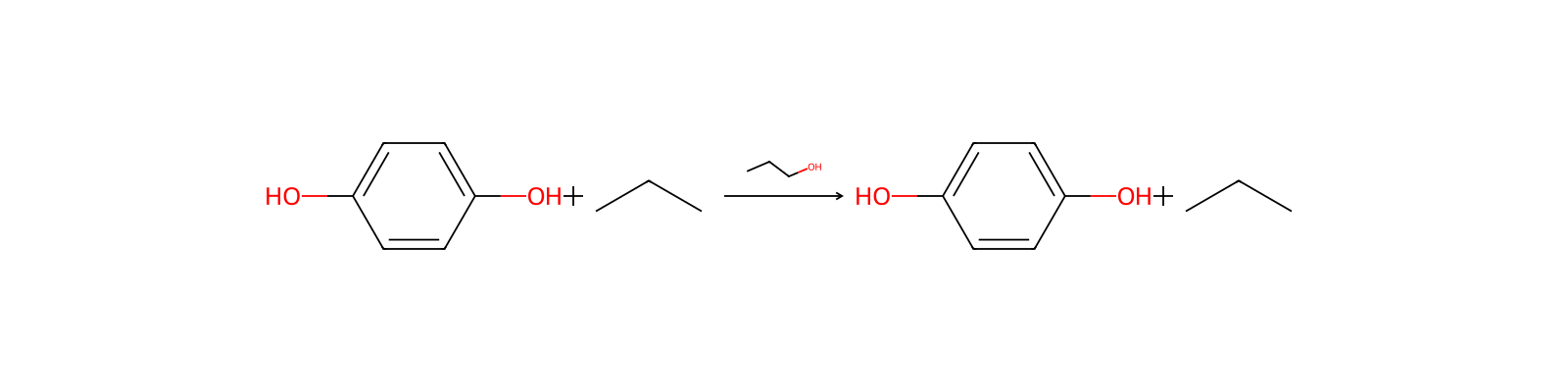
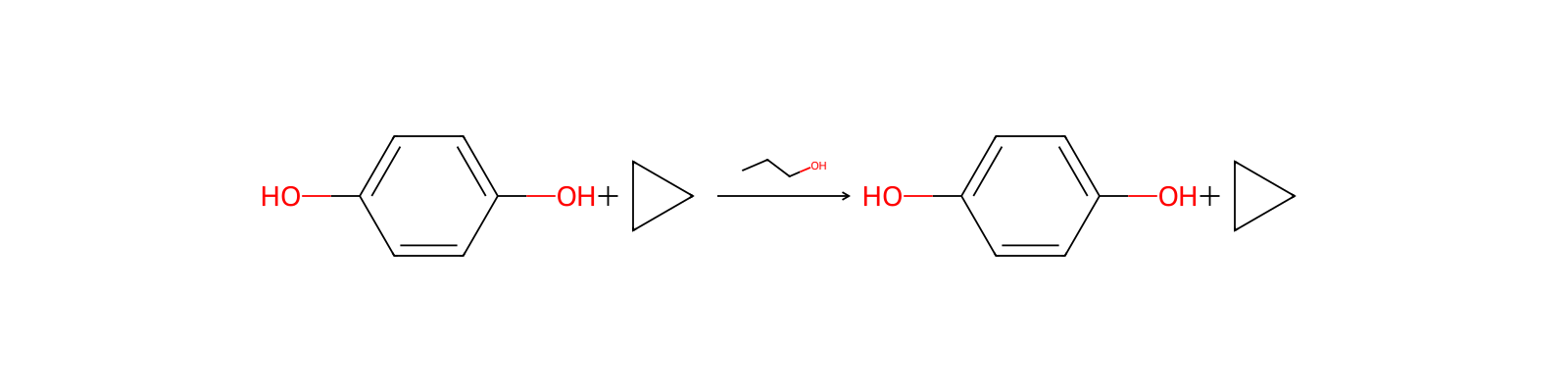
HRID 2661 reaction equation
HRID 2661As solventuspto-grants-1998_03
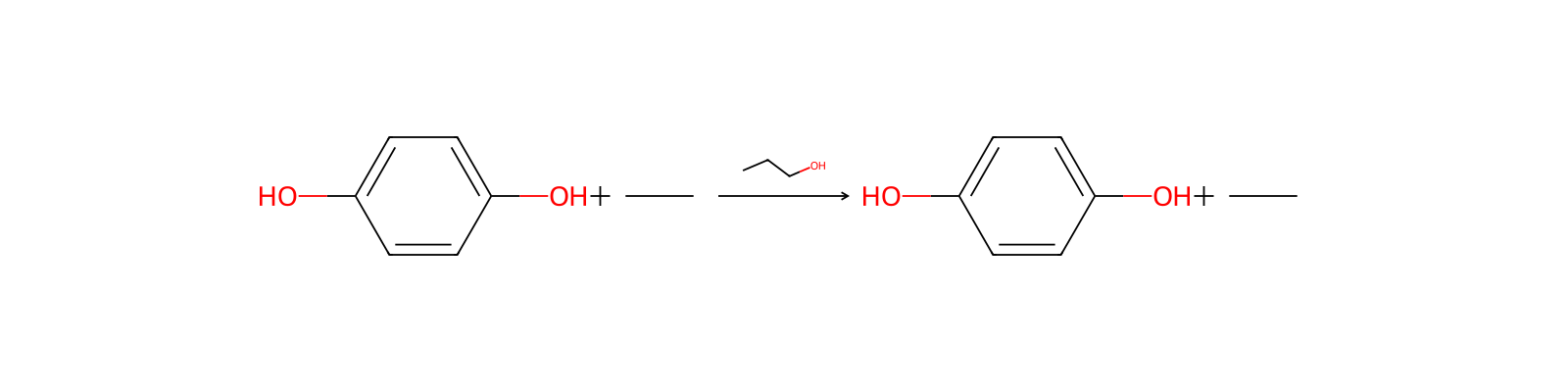
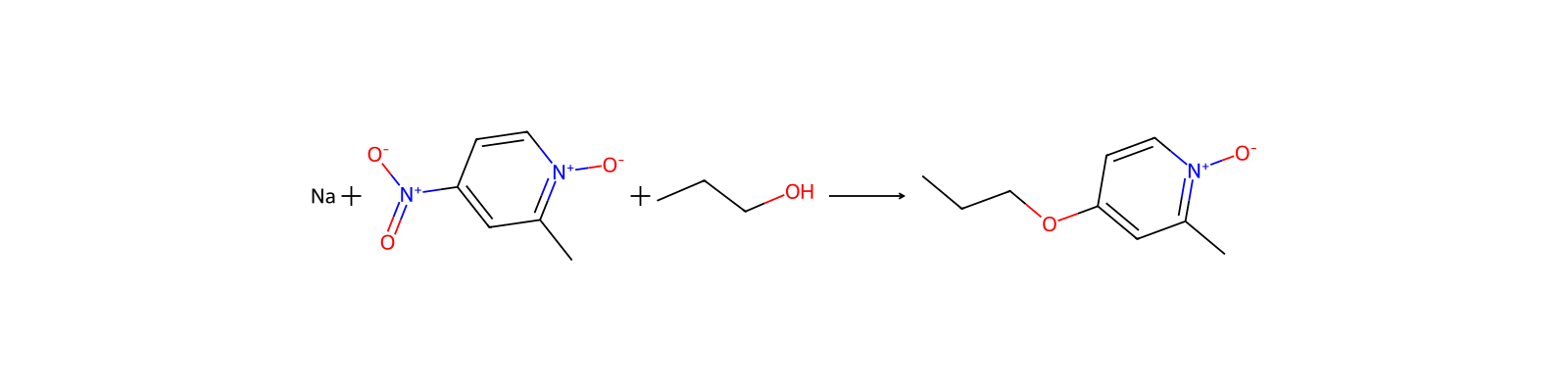
HRID 2662 reaction equation
HRID 2662As solventuspto-grants-1998_03
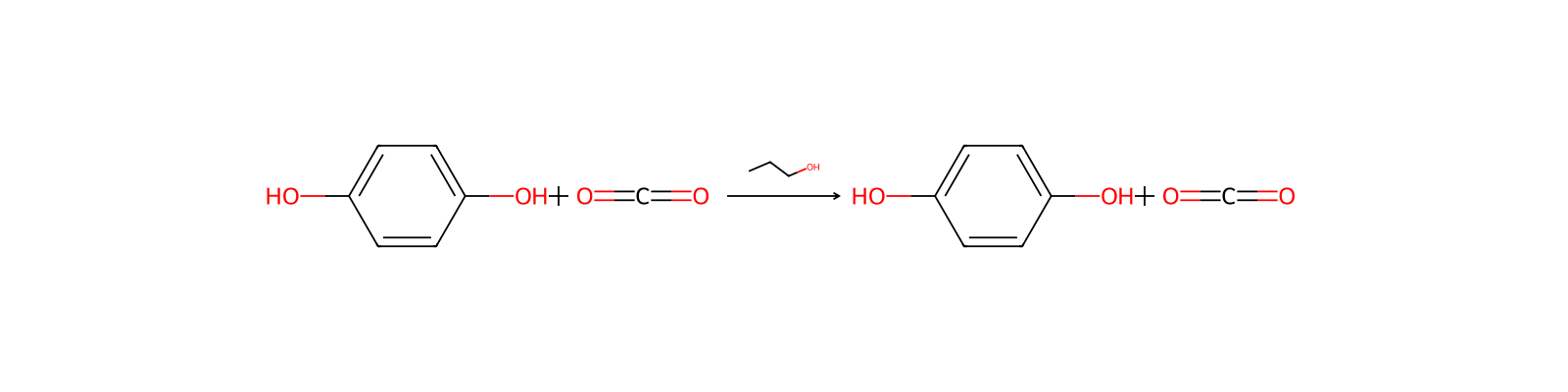
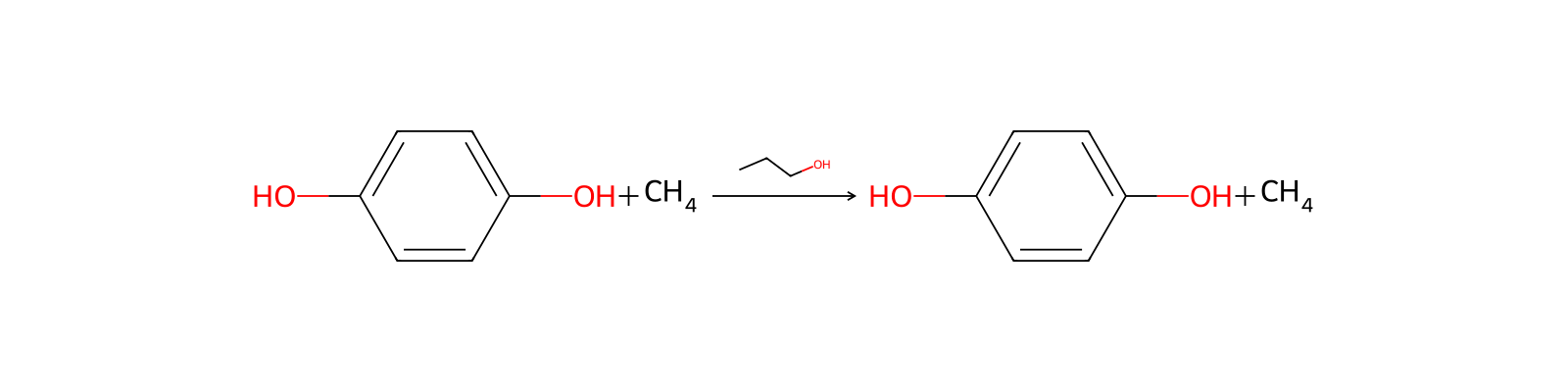
HRID 2663 reaction equation
HRID 2663As solventuspto-grants-1998_03
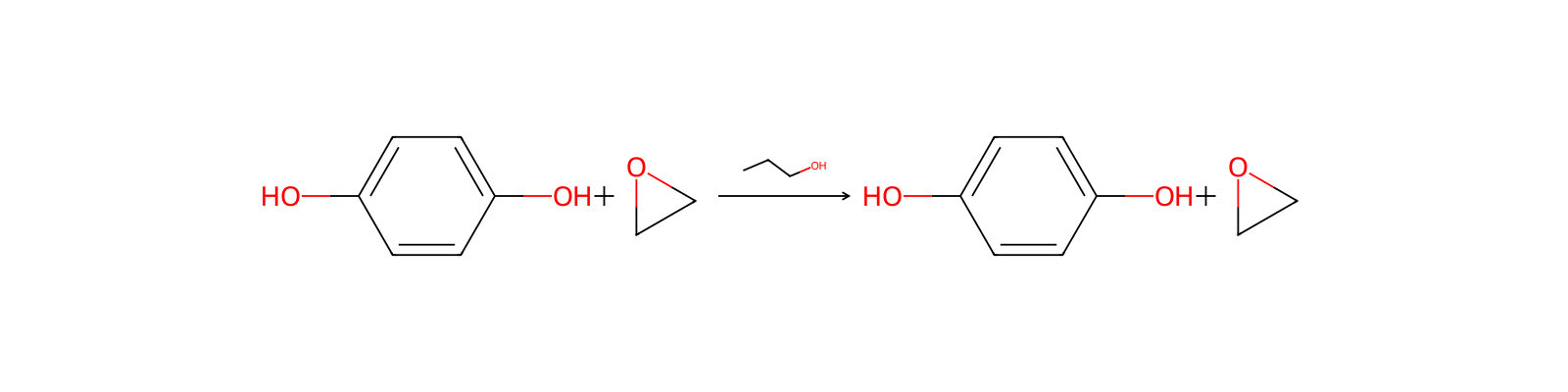
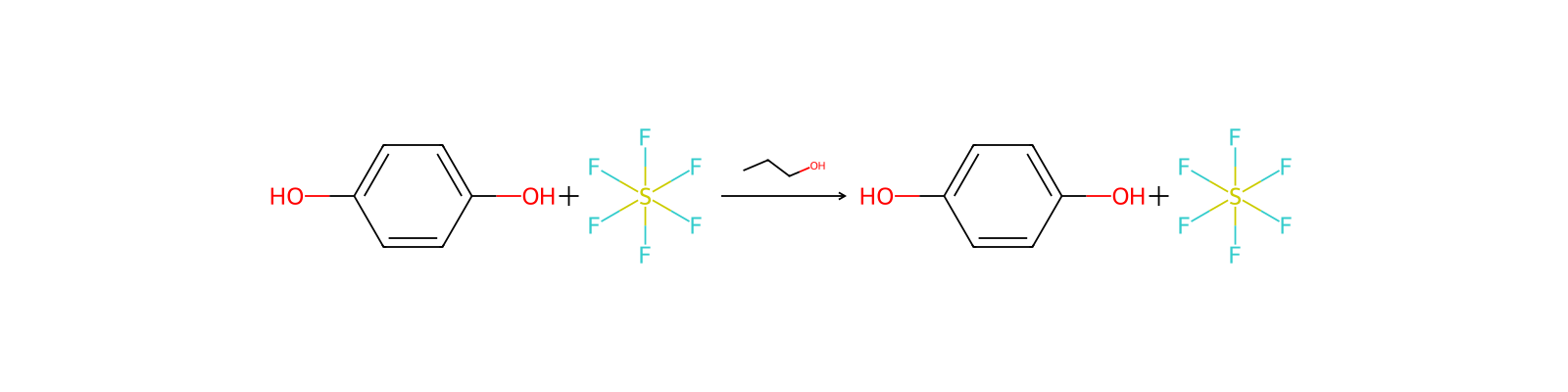
HRID 2664 reaction equation
HRID 2664As solventuspto-grants-1998_03
HRID 2665 reaction equation
HRID 2665As solventuspto-grants-1998_03
HRID 2666 reaction equation
HRID 2666As solventuspto-grants-1998_03
HRID 2667 reaction equation
HRID 2667As solventuspto-grants-1998_03
HRID 4698 reaction equation
HRID 4698As reactantuspto-grants-1988_02
Page 1 of 239

Compound notes

Loading…

On this pageBasic informationOverviewNames & identifiersPropertiesSafety & regulationChemistry & industryRelated reactionsCompound notes
More actions
New noteNew reactionRequest quotes

CHARACTERISTIC RIPE, FRUITY FLAVOR

Taste detection: 7.50X10+3 ppm, purity of sample not specified

Burning taste

Food AdditivesFLAVORING AGENT OR ADJUVANT, SOLVENT OR VEHICLE -> FDA Substance added to food
Density · 6 items

0.803 at 68 °F (USCG, 1999) - Less dense than water; will float

0.8053 @ 20 °C/4 °C

% IN "SATURATED" AIR: 2.7 (25 °C); DENSITY OF "SATURATED" AIR: 1.028 (AIR= 1) @ 25 °C; 1 MG/L= 408 PPM & 1 PPM= 2.45 MG/CU M @ 25 °C, 760 MM HG

Coefficient of cubical expansion: 9.56X10⁻⁷ at 0-94 °C; critical density: 0.2734; electrical conductivity: 2X10⁻³ mho/cm at 25 °C; specific heat: 0.586 cal/g/deg C at 25 °C; wt/gal: 6.7 lb at 20 °C

Heat capacity, liquid @ 25 °C = 141 J/mol-K; flash point, Tag open cup = 28.9 °C; autoignition temp = 371.1 °C; explosive limit, in air = 2.2 vol% (lower), 14.0 vol% (upper); electrical conductivity @ 25 °C = 2X10⁻⁸ mho; critical density = 0.275 g/cu-cm

Relative density (water = 1): 0.8 (20 °C)

Physicochemical properties

Melting point
-127 °C · -127 °C(lit.)
Boiling point
97 °C · 97 °C(lit.)
Density
0.804 g/mL · 0.804 g/mL at 25 °C(lit.)
vapor density
2.1 · 2.1 (vs air)
vapor pressure
10 mm · 10 mm Hg ( 147 °C)
refractive index
20 · n20/D 1.384(lit.)
FEMA
2928 · 2928 | PROPYL ALCOHOL
FLAVIS Number
2.002 · 02.002 | Propan-1-ol
Flash point
59 °F · 59 °F
storage temp.
5 °C · Store at +5°C to +30°C.
solubility
2 O: · H2O: passes test
form
Liquid
pka
14 · >14 (Schwarzenbach et al., 1993)
color
10 · <10(APHA)
Relative polarity
0.617 · 0.617
PH
7 · 7 (200g/l, H2O, 20℃)
Odor
Resembles that of ethyl alcohol.
biological source
synthetic
Odor Threshold
0.094 ppm · 0.094ppm
Odor Type
alcoholic
explosive limit
2.1 · 2.1-19.2%(V)
Evaporation Rate
1.3 · 1.3
Viscosity
2.27 mPas · 2.27 mPas at 20°C
Water Solubility
soluble
Thermal Conductivity
0.1469 W/ · 0.1469 W/(m·K) at 25 ℃
Specific Heat Capacity
2.39 J/ · Cp(liquid): 2.39 J/(g·K); Cp(gas): 1.42 J/(g·K), at 25℃
λmax
220 nm · λ: 220 nm Amax: ≤0.40λ: 240 nm Amax: ≤0.071λ: 275 nm Amax: ≤0.0044
JECFA Number
82 · 82
Merck
14 · 14,7842
BRN
1098242 · 1098242
Henry's Law Constant
6.75 · 6.75 (static headspace-GC, Merk and Riederer, 1997)
Dielectric constant
20.1 · 20.1(25℃)
Exposure limits
100 ppm · ACGIH:TLV-TWA 100 ppm (246 mg/m3)OSHA:PEL-TWA 200 ppm (500 mg/m3)NIOSH:REL-TWA 200 ppm; REL-STEL 250 ppm
Stability
Stable. May form peroxides in contact with air. Incompatible with alkali metals, alkaline earths, aluminium, oxidizing agents, nitro compounds. Highly flammable. Vapour/air mixtures explosive.
Major Application
flavors and fragrances
Cosmetics Ingredients Functions
SOLVENTANTIFOAMING
InChI
1S/C3H8O/c1-2-3-4/h4H,2-3H2,1H3
InChIKey
BDERNNFJNOPAEC-UHFFFAOYSA-N
SMILES
CCCO
LogP
0.33 · 0.33
Surface tension
23.7 mN/m · 23.7mN/m at 293.15K
CAS DataBase Reference
71 · 71-23-8(CAS DataBase Reference)
Substances Added to Food (formerly EAFUS)
PROPYL ALCOHOL
FDA 21 CFR
175.105 · 175.105; 176.180; 176.210;177.1200
EWG's Food Scores
2 · 2
FDA UNII
96 F264O9SV · 96F264O9SV
ATC code
8 AX03,D08AX53 · D08AX03,D08AX53
NIST Chemistry Reference
1 · 1-Propanol(71-23-8)
EPA Substance Registry System
1 · 1-Propanol (71-23-8)
UNSPSC Code
41116107 · 41116107
NACRES
21 · NB.21
Symbol(GHS)
2 · GHS02,GHS05,GHS07,GHS08
Signal word
Danger
Hazard statements
303 · H303-H316-H318-H361-H335-H336-H305-H225
Precautionary statements
501 · P501-P261-P202-P240-P210-P233-P201-P243-P241-P242-P271-P280-P370+P378-P312-P331-P303+P361+P353-P332+P313-P301+P310-P304+P340+P312-P305+P351+P338+P310-P403+P233-P403+P235-P405
target organs
Central nervous system
PPE
Eyeshields, Faceshields, Gloves, type ABEK (EN14387) respirator filter
Hazard Codes
F,Xi
Risk Statements
11 · 11-41-67
Safety Statements
7 · 7-16-24-26-39
RIDADR
1274 · UN 1274 3/PG II/III (n-PROPANOL (PROPYL ALCOHOL, NORMAL))
OEB
A
OEL
200 ppm · TWA: 200 ppm (500 mg/m3), STEL: 250 ppm (625 mg/m3) [skin]
WGK Germany
1 · 1
RTECS
8225000 · UH8225000
F
10 · 10-23
Autoignition Temperature
700 °F · 700 °F
TSCA
TSCA listed
HazardClass
3 · 3
PackingGroup
II
HS Code
29051200 · 29051200
Storage Class
3 · 3 - Flammable liquids
Hazard Classifications
1 Flam · Eye Dam. 1Flam. Liq. 2STOT SE 3
Hazardous Substances Data
71 · 71-23-8(Hazardous Substances Data)
Toxicity
50 orally · LD50 orally in rats: 1.87 g/kg (Smyth)
IDLA
800 ppm · 800 ppm
REACH Registrations
Active
Limited Quantities
1 L · 1.0 L (0.3 gallon) (liquid)
Excepted Quantities
Max Inner Pack (30g or 30ml) and Max Outer Pack (500g or 500ml)
Fire Potential · 2 items

Dangerous upon exposure to heat or flame; can react vigorously with oxidizing materials.

Ignites on contact with potassium-tert-butoxide.

Health Hazards · 3 items

Contact with eyes is extremely irritating and may cause burns. Vapors irritate nose and throat. In high concentrations, may cause nausea, dizziness, headache, and stupor. (USCG, 1999)

· May cause toxic effects if inhaled or absorbed through skin.

· May cause toxic effects if inhaled or absorbed through skin.

Hazards Summary · 1 item

A mucous membrane irritant similar to isopropyl alcohol, n-propyl alcohol produces narcosis in animals inhaling high concentrations. It causes severe liver injury in chronic feeding studies of laboratory animals. [ACGIH] Irritating to the eyes; Inhalation of high concentrations can cause CNS depression; [ICSC]

DOT ID and Guide · 3 items

1274 129

1274 129

1274 129

FDA Requirements · 3 items

Propyl alcohol is a food additive permitted for direct addition to food for human consumption as a synthetic flavoring substance and adjuvant in accordance with the following conditions: a) they are used in the minimum quantity required to produce their intended effect, and otherwise in accordance with all the principles of good manufacturing practice, and 2) they consist of one or more of the following, used alone or in combination with flavoring substances and adjuvants generally recognized as safe in food, prior-sanctioned for such use, or regulated by an appropriate section in this part.

Propyl alcohol is an indirect food additive for use only as a component of adhesives.

Normal propyl alcohol may be safely used in feeds and feed supplements for cattle as a source of metabolizable energy. It is incorporated in the fed or feed supplement in an amount which provides not more than 54.5 g of the additive per head per day.

Reactive GroupAlcohols and Polyols
UN ClassificationUN Hazard Class: 3; UN Pack Group: II
EPA Safer ChemicalChemical: Propyl alcohol

Safety & protection

Fire Fighting · 2 items

Excerpt from ERG Guide 129 [Flammable Liquids (Water-Miscible / Noxious)]:

Use water spray, powder, alcohol-resistant foam, carbon dioxide. In case of fire: keep drums, etc., cool by spraying with water.

First Aid Measures · 4 items

Fresh air, rest.

First rinse with plenty of water for at least 15 minutes, then remove contaminated clothes and rinse again.

Rinse with plenty of water for several minutes (remove contact lenses if easily possible). Refer immediately for medical attention.

Rinse mouth. Do NOT induce vomiting. Refer immediately for medical attention.

Accidental Release Measures · 4 items

· CALL 911. Then call emergency response telephone number on shipping paper. If shipping paper not available or no answer, refer to appropriate telephone number listed on the inside back cover.

· ELIMINATE all ignition sources (no smoking, flares, sparks or flames) from immediate area.

· CALL 911. Then call emergency response telephone number on shipping paper. If shipping paper not available or no answer, refer to appropriate telephone number listed on the inside back cover.

· ELIMINATE all ignition sources (no smoking, flares, sparks or flames) from immediate area.

First Aid · 4 items

Excerpt from NIOSH Pocket Guide for n-Propyl alcohol:

General First Aid:

General First Aid:

(General first aid procedures)

Safe StorageSeparated from strong oxidants and strong acids. Well closed. Fireproof. Cool. Ventilation along the floor.
Firefighting HazardsFlash back along vapor trail may occur.
Exposure Control and Personal Protection · 2 items

· Wear positive pressure self-contained breathing apparatus (SCBA).

· Wear positive pressure self-contained breathing apparatus (SCBA).

Fire Fighting Procedures · 2 items

To fight fire use alcohol foam, carbon dioxide, dry chemical.

/During/ fire fighting self-contained breathing apparatus with full facepiece operated in pressure demand or other positive pressure mode /should be worn./

Storage ConditionsKeep containers closed, store in cool, well ventilated place away from ignition sources.
Cleanup Methods · 2 items

Absorb on paper. Evaporate on a glass or iron dish in hood. Burn the paper.

Countermeasures recommended for treating spills: activated charcoal, biological treatment agent, gelling agent, absorbing agent, dispersing agent.

Nonfire Spill ResponseExcerpt from ERG Guide 129 [Flammable Liquids (Water-Miscible / Noxious)]:
Disposal Methods · 4 items

SRP: At the time of review, criteria for land treatment or burial (sanitary landfill) disposal practices are subject to significant revision. Prior to implementing land disposal of waste residue (including waste sludge), consult with environmental regulatory agencies for guidance on acceptable disposal practices.

1. By absorbing it in vermiculite, dry sand, earth or a similar material and disposing in an ... /approved/ sanitary landfill. 2. By atomizing in a suitable combustion chamber.

The following wastewater treatment technologies have been investigated for n-propanol: Biological treatment.

Incineration: Waste liquid can be atomized in an incinerator or can be disposed of by way of a licensed solvent disposal company or can be reclaimed.

Toxicology

Toxicological InformationRanking: 569 (total points: 150.47999999999999)
Body Burden · 1 item

n-Propanol was detected in 1 of 12 samples of mother's milk from 4 urban areas in the United States(1). The avg and range of n-propanol concns in human breath due to metabolic processes is 130 ug/cu-m and not detected-1,270 ug/cu m (8 subjects in zero air), respectively (2).

Interactions · 4 items

N-PROPANOL INHIBITED N-NITROSODIMETHYLAMINE METABOLISM IN ISOLATED PERFUSED RAT LIVER.

IN VITRO ... WITH RAT LIVER SLICES BIOTRANSFORMATION OF CHLORAL HYDRATE TO TRICHLOROETHANOL WAS FOUND TO BE ENHANCED MORE EFFECTIVELY BY N-PROPANOL AND N-BUTANOL THAN BY ETHANOL ...

ADDING 1 G/L OF PROPAN-1-OL, PROPAN-2-OL, BUTAN-1-OL, BUTAN-2-OL, ISOBUTANOL TO 40% ETHANOL IN ORANGE JUICE LOWERED AND DELAYED BLOOD ETHANOL MAX IN 10 20-30 YR-OLD MEN WHO DRANK 3.75 ML/KG OF SYNTHETIC BEVERAGE.

CUTANEOUS REACTIONS TO N-PROPANOL WERE EVALUATED IN A CONTROL GROUP & IN PATIENTS BEFORE & DURING RECEIPT OF DISULFIRAM THERAPY. LOCAL CUTANEOUS ERYTHEMA WAS OBSERVED FROM PATCH TESTS WITH N-PROPANOL IN HYDRATED SKIN. SINCE REACTIONS NOTED FROM TOPICALLY APPLIED ALCOHOLS BEFORE & DURING DISULFIRAM THERAPY WERE NOT STATISTICALLY DIFFERENT, A LOCALIZED DISULFIRAM-ALCOHOL REACTION IS UNLIKELY. ERYTHEMA RESULTING FROM TOPICALLY APPLIED ALCOHOLS OCCURRED IN A DOSE RELATED MANNER & WAS CAUSED BY A DIRECT VASODILATORY EFFECT ON THE CUTANEOUS MICROVASCULATURE.

Target OrgansEyes, skin, respiratory system, gastrointestinal tract, central nervous system
Ecotoxicity Values · 5 items

LC50 Pimephales promelas (fathead minnows) 4.48 g/l/96 hr (95% confidence limit 4.10-4.88 g/l); age 30 days old, water hardness 47.0 mg/l (CaCO3), temp 27.7 °C, pH 7.40, dissolved oxygen 5.4 mg/l, alkalinity 43.0 mg/l (CaCO3), tank vol: 1.0 l, additions: 36 vol/day (flow-through bioassay)

LC50 Ambystoma mexicanum (Mexican axolotl) 4000 mg/l/48 hr (3-4 wk after hatching) /Conditions of bioassay not specified/

LC50 Clawed toads 4000 mg/l/48 hr (3-4 wk after hatching) /Conditions of bioassay not specified/

LD100 Semotilus atromaculatus (creek chub) 500 mg/l/24 hr in Detroit river water /Conditions of bioassay not specified/

For more Ecotoxicity Values (Complete) data for N-PROPANOL (9 total), please visit the HSDB record page.

Environmental Fate · 3 items

TERRESTRIAL FATE: Based on a classification scheme(1), a Koc value of 33(SRC) determined from a log Kow of 0.25(2), and a regression-derived equation(3), indicates that n-propanol is expected to have very high mobility in soil(SRC). Volatilization of n-propanol from moist soil surfaces is expected to be an important fate process(SRC) given a Henry's Law constant of 7.41X10⁻⁶ atm-cu m/mole(4). The potential for volatilization of n-propanol from dry soil surfaces may exist(SRC) based upon a vapor pressure of 21 mm Hg(5). n-Propanol is readily degraded in aerobic systems(6-9); the range of half-lives for aerobic degradation using a sewage sludge inoculum are <1 day to 11 days(SRC). n-Propanol has also been shown to be readily degraded under anaerobic conditions(9).

AQUATIC FATE: Based on a classification scheme(1), an estimated Koc value of 33(SRC), determined from an measured log Kow of 0.25(2) and a regression-derived equation(3), indicates that n-propanol is not expected to adsorb to suspended solids and sediment(SRC). Volatilization from water surfaces is expected(3) based upon a Henry's Law constant of 7.41X10⁻⁶ atm-cu m/mole(4). Using this Henry's Law constant and an estimation method(3), volatilization half-lives for a model river and model lake are 62 hours and 31 days, respectively(SRC). According to a classification scheme(5), an estimated BCF of 3(SRC) from a log Kow(2) and a regression-derived equation(6), suggests the potential for bioconcentration in aquatic organisms is low(SRC). n-Propanol is readily degraded in aerobic systems(7-10); the range of half-lives for aerobic degradation using a sewage sludge inoculum are <1 day to 11 days(SRC). n-Propanol has also been shown to be readily degraded under anaerobic conditions(10).

ATMOSPHERIC FATE: According to a model of gas/particle partitioning of semivolatile organic compounds in the atmosphere(1), n-propanol, which has a vapor pressure of 21.0 mm Hg at 25 °C(2), is expected to exist solely as a vapor in the ambient atmosphere(SRC). Vapor-phase n-propanol is degraded in the atmosphere by reaction with photochemically-produced hydroxyl radicals(SRC); the half-life for this reaction in air is estimated to be 2.9 days(SRC), calculated from its rate constant of 5.53X10⁻¹² cu cm/molecule-sec at 25 °C(3).

Food Survey Values · 1 item

Alcoholic beverages nearly always contain n-propanol as a product of fermentation(1). Beer contains up to 195 mg/l, wine up to 116 mg/l, various types of spirits up to 3520 mg/l, and neat ethanol up to 2910 mg/l(1). n-Propanol is present at low levels as a flavor volatile in a variety of foodstuffs and non-alcoholic drinks, eg: kefir culture, cream culture, filberts (roasted), raw milk, heat-treated milk, Kumazasa Sasa albomarginata, heated triolein, boiled buckwheat flour, tomato (ripe, juice, puree, and paste), Kogyoku apple, apple and apple juice, white bread, butter, cheddar/Swiss cheese, soy sauce, fish sauce, pigweed, winged bean (raw/roasted), soybean (raw, roasted), potato tuber, roasted watermelon seeds, babco fruit, tilsit cheese, endive, Valancia orange juice(1).n-Propanol was identified in fermentation brine of pimentos used for stuffing olives(2). n-Propanol was found in 31 commercial brines - 180 to 380 mg n-propanol/l ethyl alcohol; Cahors wine: 33 mg n-propanol/l wine; Corbiers wine: 12 mg n-propanol/l wine; Jamaican Rum: 31,300 mg n-propanol/l ethyl alcohol(2). The mean concn of n-propanol in headspace volatiles of Cabernet Sauvignon wines from the Napa Valley, CA ranged from 0.001 to 0.778 mg/l(3). n-Propanol has been detected (not quantified) in milk products including kefir and yogurt, and traces have been detected in fermented eggs(4). The range of concns of n-propanol in the volatile components of orange juices were 50-1140 ppb(5).

Adverse EffectsNeurotoxin - Acute solvent syndrome
Exposure Routes · 2 items

The substance can be absorbed into the body by inhalation of its vapour, by ingestion and through the skin.

inhalation, skin absorption, ingestion, skin and/or eye contact

Milk Concentrationsn-Propanol was detected in 1 of 12 samples of mother's milk from 4 urban areas in the United States(1).
Toxicity SummarySafe in the present practices of use and concentration. Ingredient, concentration, and use information are available in documents discoverable at https://cir-reports.cir-safety.org
Signs and Symptoms · 4 items

Dizziness. Drowsiness. Headache. Nausea. Weakness. Incoordination. Confusion.

Redness. Pain. Blurred vision.

Aspiration hazard! Abdominal pain. Sore throat. Vomiting. See Inhalation.

irritation eyes, nose, throat; dry cracking skin; drowsiness, headache; ataxia, gastrointestinal pain; abdominal cramps, nausea, vomiting, diarrhea; In Animals: narcosis

Regulatory information

FDA Requirements · 3 items

Propyl alcohol is a food additive permitted for direct addition to food for human consumption as a synthetic flavoring substance and adjuvant in accordance with the following conditions: a) they are used in the minimum quantity required to produce their intended effect, and otherwise in accordance with all the principles of good manufacturing practice, and 2) they consist of one or more of the following, used alone or in combination with flavoring substances and adjuvants generally recognized as safe in food, prior-sanctioned for such use, or regulated by an appropriate section in this part.

Propyl alcohol is an indirect food additive for use only as a component of adhesives.

Normal propyl alcohol may be safely used in feeds and feed supplements for cattle as a source of metabolizable energy. It is incorporated in the fed or feed supplement in an amount which provides not more than 54.5 g of the additive per head per day.

FIFRA Requirements · 3 items

Residues of n-propanol are exempted from the requirement of a tolerance when used as a solvent or cosolvent in accordance with good agricultural practice as inert (or occasionally active) ingredients in pesticide formulations applied to growing crops or to raw agricultural commodities after harvest.

n-Propanol is exempted from the requirement of a tolerance when used as a solvent for blended emulsifiers in accordance with good agricultural practice as inert (or occasionally active) ingredients in pesticide formulations applied to growing crops only.

n-Propanol is exempted from the requirement of a tolerance when used as a solvent for blended emulsifiers in accordance with good agricultural practice as inert (or occasionally active) ingredients in pesticide formulations applied to animals.

Atmospheric Standards · 1 item

This action promulgates standards of performance for equipment leaks of Volatile Organic Compounds (VOC) in the Synthetic Organic Chemical Manufacturing Industry (SOCMI). The intended effect of these standards is to require all newly constructed, modified, and reconstructed SOCMI process units to use the best demonstrated system of continuous emission reduction for equipment leaks of VOC, considering costs, non air quality health and environmental impact and energy requirements. n-Propyl alcohol is produced, as an intermediate or a final product, by process units covered under this subpart.

Safety data

F
10-23
OEB
A
OEL
TWA: 200 ppm (500 mg/m3), STEL: 250 ppm (625 mg/m3) [skin]
PPE
Eyeshields, Faceshields, Gloves, type ABEK (EN14387) respirator filter
wgk
1
IDLA
800 ppm
tsca
TSCA listed
rtecs
UH8225000
ridadr
UN 1274 3/PG II/III (n-PROPANOL (PROPYL ALCOHOL, NORMAL))
hs_code
29051200
Toxicity
LD50 orally in rats: 1.87 g/kg (Smyth)
risk_code
11-41-67
Signal word
Danger
Symbol(GHS)
GHS02,GHS05,GHS07,GHS08
hazard_code
F,Xi
safety_code
7-16-24-26-39
hazard_class
3
Storage Class
3 - Flammable liquids
packing_group
II
target organs
Central nervous system
Hazard statements
H303-H316-H318-H361-H335-H336-H305-H225
Limited Quantities
1.0 L (0.3 gallon) (liquid)
Excepted Quantities
Max Inner Pack (30g or 30ml) and Max Outer Pack (500g or 500ml)
REACH Registrations
Active
Hazard Classifications
Eye Dam. 1Flam. Liq. 2STOT SE 3
Autoignition Temperature
700 °F
Precautionary statements
P501-P261-P202-P240-P210-P233-P201-P243-P241-P242-P271-P280-P370+P378-P312-P331-P303+P361+P353-P332+P313-P301+P310-P304+P340+P312-P305+P351+P338+P310-P403+P233-P403+P235-P405
Hazardous Substances Data
71-23-8(Hazardous Substances Data)
Tissue LocationsFibroblasts
Metabolite PathwaysSulfite oxidase deficiency

Uses & manufacturing

Uses · 6 items

CIR ingredient: Propyl Alcohol

Used as a solvent, antiseptic, and chemical intermediate; [ACGIH] Used as a solvent in inks, pesticides, and lacquers; [HSDB]

Metal Degreasing [Category: Clean]

For n-Propanol (USEPA/OPP Pesticide Code: 047502) there are 0 labels match. /SRP: Not registered for current use in the U.S., but approved pesticide uses may change periodically and so federal, state and local authorities must be consulted for currently approved uses./

Solvent for natural gums, polyvinyl butyral, polishes, pharmaceuticals; in lacquers and dopes, cosmetics, dental lotions

Solvent; chemical intermediate; specialty solvent in flexographic printing inks particularly for printing on polyolefin and polyamide film; mfg of n-propyl acetate, n-propylamines, glycol ethers; as a ruminant feed supplement; flavor and fragrance in foods; solvent or cosolvent in pesticide formulations.

Impurities · 2 items

Sales specifications: water (0.1 wt%), acidity (0.003 wt% as acetic acid); 2-methylpentanal (10 ppm)

Water (< or = 0.1 wt%); aldehydes (< or = 0.2 wt%); ethanol (< or = 10 mg/kg); methanol (< or = 100 mg/kg)

U.S. Exports · 4 items

(1978) 1.28X10+10 G

(1982) 1.51X10+10 G

(1987) 4.30X10+7 lb

(1988) 5.12X10+7 lb

U.S. Imports · 3 items

(1978) 4.55X10+6 G

(1982) 2.95X10+7 G

(1986) 2.86X10+5 lb

U.S. Production · 6 items

2023: 550,000,000 - <700,000,000 lb

(1978) 7.37X10+10 G

(1982) 5.79X10+10 G

(1985) 1.45X10+6 lb

(1987) 1.86X10+8 lb

In 1993 (worldwide): 110,000 tons/yr

Consumption Patterns · 2 items

CHEM INT FOR N-PROPYLAMINES, 37%; SOLVENT, 23%; CHEM INT FOR N-PROPYL ACETATE, 18%; FEED ADDITIVE FOR CATTLE, 3%; CHEM INT FOR OTHER CHEMICALS, 19% (1980)

Flexographic printing inks(40%); mfg of n-propyl acetate(33%) n-propylamines(18%), and glycol ethers(12%).

Consumer UsesSolvent
Industry UsesNot Known or Reasonably Ascertainable
Methods of Manufacturing · 5 items

... obtained ... /from crude fusel oil/ by fractionation; available as byproduct of reaction between carbon monoxide and hydrogen.

It is by-product of the synthesis of methyl alcohol by high pressure & in the propane/butane oxidation process.

CAN BE ISOLATED FROM HEAD FRACTIONS DURING DISTILLATION OF WINE ... OR FROM TAIL FRACTIONS DURING RECTIFICATION OF SPIRITS.

The production of n-propanol by hydroformulation or oxo technology is a two step process in which ethylene is first hydroformulated to propanal; the resulting propanal is hydrogenated to n-propanol.

n-Propanol is one of the products from Sasol's Fischer-Tropsch process. Coal is gasified...to produce synthesis gas /which is catalyzed by a powdered iron-based catalyst to produce/ a mixture of hydrocarbons and oxygenates. The alcohol streams are further purified by distillation to yield pure n-propanol.

Household ProductsInformation on 18 consumer products that contain Propanol in the following categories is provided:
Use Classification · 6 items

EPA Safer Chemical Functional Use Classes -> Solvents

Safer Chemical Classes -> Green half-circle - The chemical is expected to be of low concern

Fragrance Ingredients

Flavouring Agent -> FLAVOURING_AGENTFood Additives -> CARRIER_SOLVENT; EXTRACTION_SOLVENT -> JECFA Functional Classes

Flavoring Agents -> JECFA Flavorings Index

Flavouring Agent -> FLAVOURING_AGENTFood Additives -> CARRIER_SOLVENT; EXTRACTION_SOLVENT -> JECFA Functional Classes

General Manufacturing Information · 2 items

Pharmaceutical and Medicine Manufacturing

1-Propanol: ACTIVE

Applications · 5 items

Description1-propanol is the compound with the hydrogen atom in the propane molecules being replaced by hydroxyl group. Because the hydroxyl group can substitute the hydrogen atoms contained in the carbons in the two terminals of carbon chain or middle carbon, thus generating two isomers, n-propyl alcohol and isopropyl alcohol.The chemical property of the 1-propanol is similar to that of ethanol. It is the byproduct during the process of the methanol synthesis from carbon monoxide and hydrogen. At room temperature and normal pressure, it appears as colorless transparent liquid with fragrance odor. In industry, it is prepared through the reaction between ethylene, carbon monoxide and hydrogen under high pressure and cobalt catalysis; alternatively through the hydration of propylene under the action of sulfate or through the catalytic hydrogenation of acetone. It is commonly used as a solvent with irritating effect on the eyes and mucosa. Inhalation of propyl alcohol steam can lead to dizziness, headache and vomiting, etc.

OccurrenceReported found in the natural aromas of apple, cognac and rum; also formed during alcoholic fermentation. Also reported found in apple, apricot, banana, sweet cherry, papaya, pineapple, orange juice, lingonberry, cranberry, grapes, peas, pineapple, raspberry, strawberry, onion, leek, tomato, ginger, vinegar, many cheeses, butter, fatty fish, fish oil, cooked beef, mutton and pork, beer, several types of bread, pear brandy, Scotch blended whiskey, malt whiskey, cognac, armagnac, weinbrand rum, bourbon whiskey, Irish whiskey, rum, grape wines, cider, sherry, cocoa, tea, roasted filberts and peanuts, honey, soybean, oats, passion fruit, plum, beans, mushroom, apple and plum brandy, gin, rice, rice bran, quince, prickly pear, jackfruit, sake, buckwheat, loquat, wild rice, anise brandy, endive, truffle, arrack, clam, cape gooseberry and Chinese quince.

Uses1-Propanol is used in making n-propyl acetate; and as a solvent for waxes, resins, vegetable oils, and flexographic printing ink. It is produced from the fermentation and spoilage of vegetable matter.

UsesA colorless liquid made by oxidation of aliphatic hydrocarbons that is used as a solvent and chemical intermediate.

General DescriptionN-propanol appears as a clear colorless liquid with a sharp musty odor like rubbing alcohol. Flash point 53-77 °F. Autoignites at 700 °F. Vapors are heavier than air and mildly irritate the eyes, nose, and throat. Density approximately 6.5 lb / gal. Used in making cosmetics, skin and hair preparations, pharmaceuticals, perfumes, lacquer formulations, dye solutions, antifreezes, rubbing alcohols, soaps, window cleaners, acetone and other chemicals and products.

Preparation methods · 1 item

Preparation1-Propanol is produced commercially by the oxo process by reacting ethylene with carbon monoxide and hydrogen in the presence of a catalyst to give propionaldehyde, which is then hydrogenated. 1-Propanol [71-23-8] is the major product of catalytic reduction of propanal (→Propanols). Reduction is carried out most economically by a continuous vapor-phase process over a heterogeneous catalyst of supported reduced nickel, copper, and/or zinc and manganese metals.

Upstream & downstream products

Upstream raw materials

AcroleinPropionaldehydeFUSEL OILAllyl alcoholn-Propyl nitriteDiisopropylamineN-Nitroso-di-iso-propylamine2-ethyl-4-methyl-1,3-dioxolanePropionic-2,3-14C1 acid (8CI)HydroxyacetonePropylene glycol

Downstream products

Propylparaben8-Methyl-8-azabicyclo[3.2.1]octan-3-amine dihydrochlorideN-Methyl-1,2-benzenediamine dihydrochloridePhenylcarbamic acid propyl ester4-(Propylthio)benzene-1,2-diamineErythromycinDichloro(1,5-cyclooctadiene)platinum(II)1-BromopropanePropylaminePropyl butyratePropaneDipropylenetriamine
Additional notes · 1 item

DefinitionChEBI: 1-Propanol is the parent member of the class of propan-1-ols that is propane in which a hydrogen of one of the methyl groups is replaced by a hydroxy group. It has a role as a protic solvent and a metabolite. It is a short-chain primary fatty alcohol and a member of propan-1-ols.