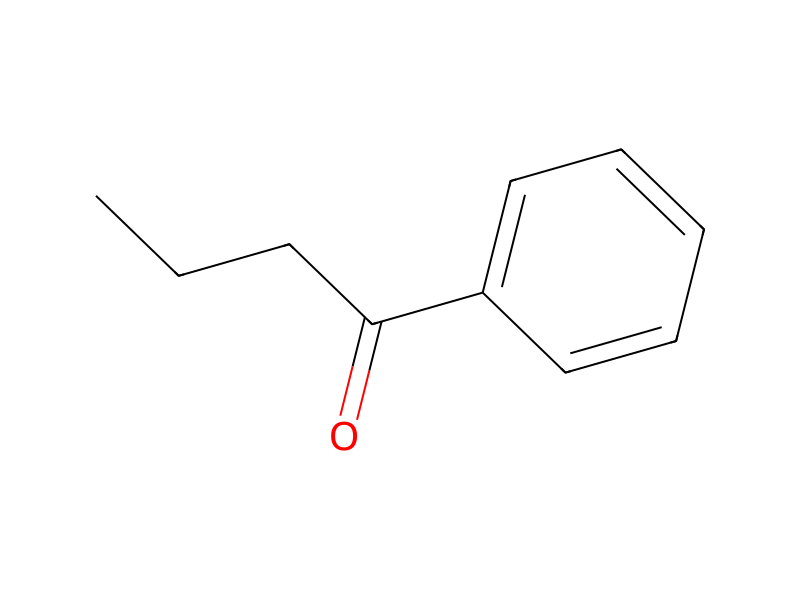
Butyrophenone is synthetic agents containing the phenyl-1-butanone group, most Butyrophenones are neuroleptic (antipsychotic) drugs, such as haloperidol, droperidol, or azaperone, that control schizophrenic symptoms (hallucinations, delusions, dementia). Most antipsychotic agents interfere with neurotransmitter functions, usually blocking dopamine receptors, and induce behavioral, endocrine, motor-kinetic effects. (NCI04)
Safety information is for reference only and does not replace the supplier’s Safety Data Sheet (SDS), applicable regulations, or professional assessment.
GHS classification
GHS Classification · 5 items
This chemical does not meet GHS hazard criteria for 67.4% (89 of 132) of all reports.
Danger
H317 (31.8%): May cause an allergic skin reaction [Warning Sensitization, Skin]
P261, P264+P265, P272, P280, P302+P352, P305+P354+P338, P317, P321, P333+P317, P362+P364, and P501 (click each P-code to see the statement)
Aggregated GHS information provided per 132 reports by companies from 4 notifications to the ECHA C&L Inventory. Each notification may be associated with multiple companies.
Hazard information
Regulatory Information · 3 items
Chemical: 1-Butanone, 1-phenyl-
Commission Regulation (EC) No 1565/2000 (Repealed by Com. Implementing Reg. (EU) No 872/2012)
1-Butanone, 1-phenyl-: Does not have an individual approval but may be used under an appropriate group standard
Other Safety InformationIMAP assessments - 1-Butanone, 1-phenyl-: Human health tier I assessment
Hazards SummarySafe when used as a flavoring agent in food; [EFSA] May cause irritation; [Alfa Aesar MSDS]
Hazard Classes and CategoriesSkin Sens. 1 (31.8%)
Safety data
PPE
Eyeshields, Faceshields, Gloves, type ABEK (EN14387) respirator filter
wgk
3
tsca
TSCA listed
hs_code
2914399090
risk_code
41-43
Chemistry & industry
Uses & manufacturing
Use ClassificationFragrance Ingredients
General Manufacturing Information1-Butanone, 1-phenyl-: ACTIVE
Applications · 3 items
DescriptionButyrophenone is a chemical compound with the formula C10H12O. Butyrophenone has been used to study the relationship between the electrolyte counter-ion concentration and the critical micelle concentration for several surfactants. It has been used to generate PhCO+ ions by 70 eV electron ionization. Some of its derivatives (called commonly butyrophenones) are used to treat various psychiatric disorders such as schizophrenia, as well as acting as antiemetics. They can interfere with neurotransmitter functions, usually blocking dopamine receptors, and induce behavioral, endocrine, motor-kinetic effects. Examples of butyrophenones include: Haloperidol, the most widely used classical antipsychotic drug in this class; Benperidol, the most potent commonly used antipsychotic ( 200 times more potent than chlorpromazine).
UsesButyrophenone is used as intermediates of Liquid Crystals