
3-Butene-1,2-diol
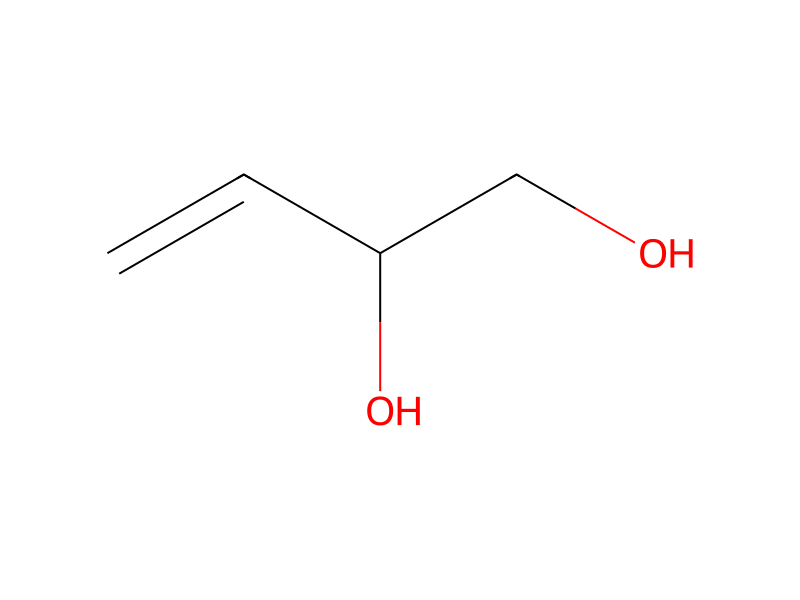
Basic information
- CAS
497-06-3- Standard SMILES
C=CC(O)CO- InChIKey
ITMIAZBRRZANGB-UHFFFAOYSA-N- Molecular formula
- C4H8O2
- Average molar mass
- 88.11 g/mol
- Monoisotopic mass
- 88.0524295
Overview
major industrial chemical; structure given in first source
Names & identifiers
- Preferred name
- 3-Butene-1,2-diol
- IUPAC
- but-3-ene-1,2-diol
- English name
- 3-Butene-1,2-diol
- Molecular formula
- C4H8O2
- Molecular weight
- 88.11
Names & synonyms
3-BUTENE-1,2-DIOL497-06-33,4-Dihydroxy-1-butene1,2-Dihydroxy-3-butenePP8001HM3TRefChem:499468207-835-1but-3-ene-1,2-diol1-Butene-3,4-diolMFCD0023941086161-40-23,4-Dihydroxy-1-butene; Erythrol;
Show more names
ErythrolEPB(TM) DIOL3-buten-1,2-diolR,S-3-BUTENE-1,2-DIOL(±)-3-Butene-1,2-Diol
EINECS 207-835-1Butene glycolAI3-07552CCRIS 9376( inverted exclamation markA)-3-Butene-1,2-diolUNII-PP8001HM3TSCHEMBL93405SCHEMBL4634738
Database identifiers
- CAS
497-06-3、86161-40-2- PubChem CID
- 10338
- DTXSID
DTXSID60870564- UNII
- PP8001HM3T
- EC Number
- 207-835-1
- Nikkaji
- J25.059G
Properties
Computed structural properties
- XLogP
- -0.5
- Topological polar surface area
- 40.5 Ų
- Hydrogen bond donors
- 2
- Hydrogen bond acceptors
- 2
- Rotatable bonds
- 2
- Heavy atoms
- 6
- Formal charge
- 0
- Complexity
- 42.8
Experimental & physicochemical properties
PolymersPlastics & Rubber -> Other Monomers
Vapor Pressure0.24 [mmHg]
Physical DescriptionClear colorless liquid with a mild odor of alcohol; [Acros Organics MSDS]
Physicochemical properties
- Melting point
- 15.1 °C · 15.1°C (estimate)
- Boiling point
- 195 °C/733 · 195 °C/733 mmHg (lit.)
- Density
- 1.047 g/mL · 1.047 g/mL at 25 °C (lit.)
- refractive index
- 20 · n20/D 1.462
- Flash point
- 222 °F · 222 °F
- storage temp.
- -20 °C · Amber Vial, -20°C Freezer, Under inert atmosphere
- solubility
- Chloroform (Slightly), Methanol (Slightly)
- form
- Oil
- pka
- 13.68 · 13.68±0.20(Predicted)
- Specific Gravity
Safety & regulation
Safety information is for reference only and does not replace the supplier’s Safety Data Sheet (SDS), applicable regulations, or professional assessment.
GHS classification
GHS Classification
Warning
H302 (100%): Harmful if swallowed [Warning Acute toxicity, oral]
P261, P264, P270, P271, P280, P301+P317, P302+P352, P304+P340, P317, P321, P330, P362+P364, and P501 (click each P-code to see the statement)
Aggregated GHS information provided per 39 reports by companies from 2 notifications to the ECHA C&L Inventory. Each notification may be associated with multiple companies.
Hazard information
Hazards Summary
Causes changes in urine in 4-week inhalation studies of rats and mice; Causes other liver changes and hypoglycemia in acute intraperitoneal studies of mice; Intraperitoneal LD50 (rat) = 250 mg/kg; [RTECS] A reactive monomer that gradually polymerizes at room temperature; An irritant; [Acros Organics MSDS] See 1,4-Dihydroxy-2-butene and 3-Buten-2-ol.
Hazard Classes and CategoriesAcute Tox. 4 (100%)
Safety data
- F
- 10
- PPE
- Eyeshields, Faceshields, Gloves, type ABEK (EN14387) respirator filter
- wgk
- 3
- risk_code
- 36/37/38-20/21/22
- Signal word
- Warning
- Symbol(GHS)
- GHS07
- hazard_code
- Xn
- safety_code
- 36
- Storage Class
- 10 - Combustible liquids
- Hazard statements
- H302+H312+H332
Chemistry & industry
Uses & manufacturing
UsesMajor industrial chemical. [ChemIDplus]
Applications
UsesDecomposition product of Erythritol.
Uses3,4-Dihydroxy-1-butene can be used:As a reactant to synthesize cyclic organic carbonates by continuous flow procedure.To prepare substituted oxazolidinone ligands used to target medicinally relevant RNAs.
General Description3,4-Dihydroxy-1-butene, also known as 3-butene-1,2-diol (BDdiol), is a metabolite of 1,3-butadiene. It forms the precursor for synthesizing different chiral building blocks. BDdiol can undergo oxidation to form hydroxymethylvinyl ketone (HMVK). 1,2-epoxy-3-butene (EB) on hydrolysis in the presence of epoxide hydrolases (EH) forms BDdiol.
Upstream & downstream products
Downstream products
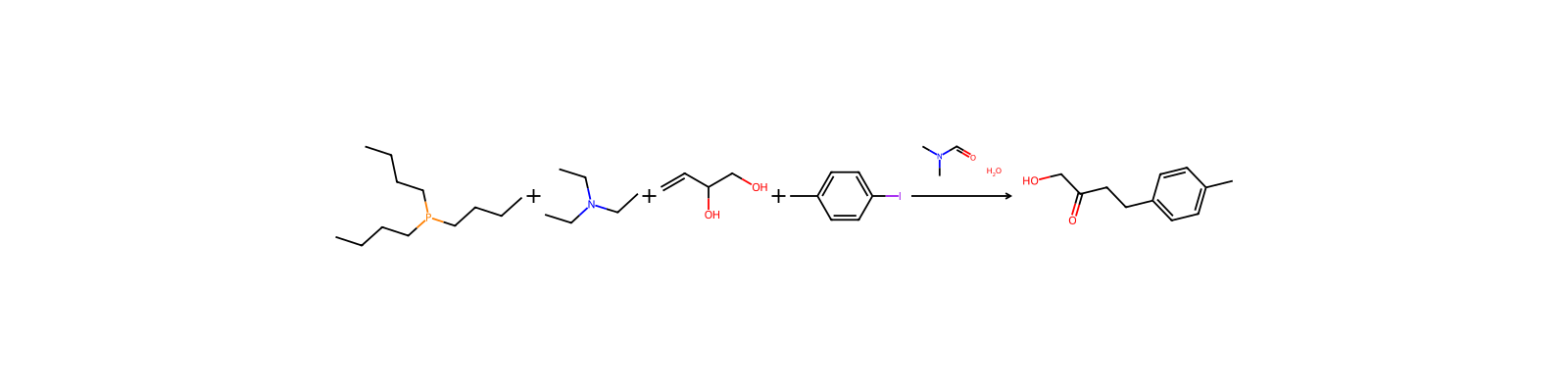
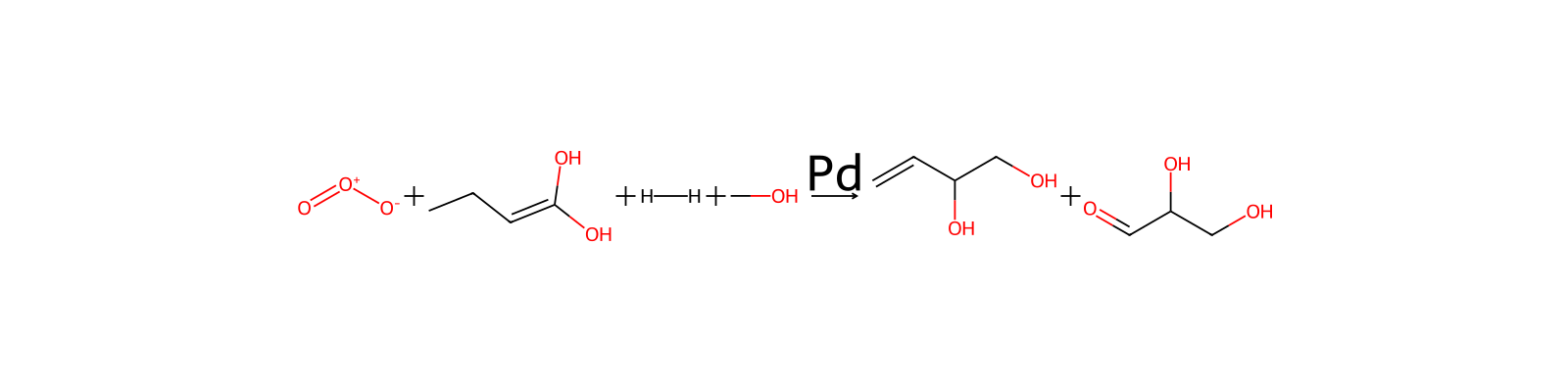
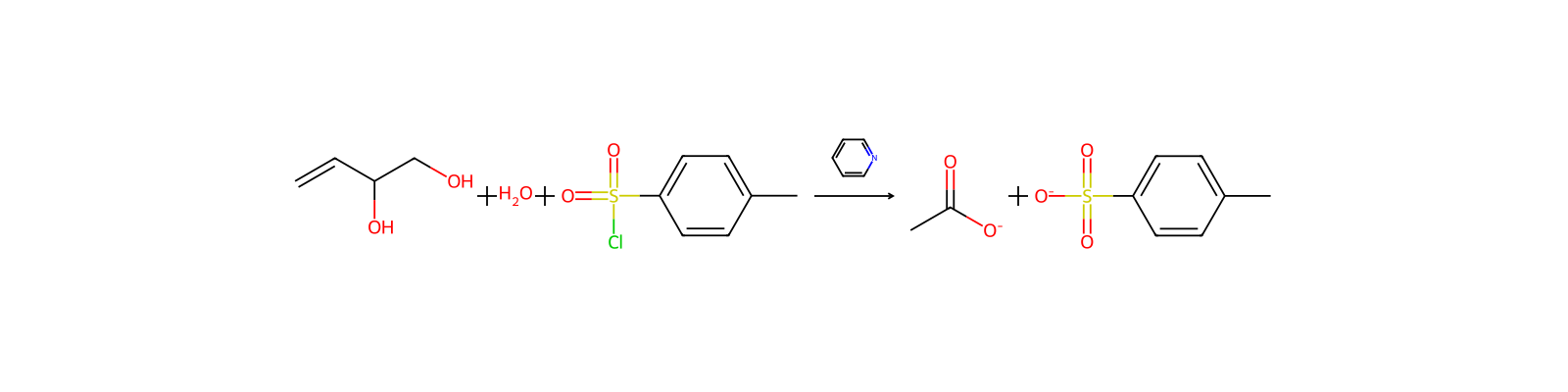
Related reactions
18 records




Compound notes
Loading…