HomeMCPWorkbenchSkills
HomeWorkbenchNotificationsMe
llms.txt · MCP GuidePrivacy Policy · Terms of Service · Supportv1.8.0
  1. Home
  2. /Compound

Carvacrol

HCID 10364
New noteNew reactionRequest quotes
Print preview
Basic informationOverviewNames & identifiersPropertiesSafety & regulationChemistry & industryRelated reactionsCompound notes
Substructure searchFind similar structures

Basic information

CAS
499-75-2
Standard SMILES
Cc1ccc(C(C)C)cc1O
InChIKey
RECUKUPTGUEGMW-UHFFFAOYSA-N
Molecular formula
C10H14O
Average molar mass
150.22 g/mol
Monoisotopic mass
150.10446507

Overview

Carvacrol is a phenol that is a natural monoterpene derivative of cymene. An inhibitor of bacterial growth, it is used as a food additive. Potent activator of the human ion channels transient receptor potential V3 (TRPV3) and A1 (TRPA1). It has a role as a TRPA1 channel agonist, a volatile oil component, an antimicrobial agent, an agrochemical and a flavouring agent. It is a p-menthane monoterpenoid, a member of phenols and a botanical anti-fungal agent. It derives from a hydride of a p-cymene.

Names & identifiers

Preferred name
Carvacrol
IUPAC
2-methyl-5-propan-2-ylphenol
English name
Carvacrol
Molecular formula
C10H14O
Molecular weight
150.22

Names & synonyms

CARVACROL5-Isopropyl-2-methylphenol499-75-2Isopropyl-o-cresolAntioxine2-p-Cymenol5-Isopropyl-o-cresol2-Hydroxy-p-cymenePhenol, 2-methyl-5-(1-methylethyl)-Karvakrolp-Cymen-2-ol2-Methyl-5-isopropylphenol
Show more names
o-ThymolISOTHYMOLCymenolFEMA 22452-hydroxy-p-cymen
2-methyl-5-propan-2-ylphenol3-Isopropyl-6-methylphenolp-Cymene, 2-hydroxy-1-Hydroxy-2-methyl-5-isopropylbenzeneFEMA No. 2245Phenol, 5-isopropyl-2-methyl-1-Methyl-2-hydroxy-4-isopropylbenzeneDENTOL

Database identifiers

CAS
499-75-2
PubChem CID
10364
DTXSID
DTXSID6042074
ChEMBL
CHEMBL281202
ChEBI
CHEBI:3440
UNII
9B1J4V995Q
EC Number
207-889-6
Nikkaji
J6.180H

Properties

Computed structural properties

XLogP
3.1
Topological polar surface area
20.2 Ų
Hydrogen bond donors
1
Hydrogen bond acceptors
1
Rotatable bonds
1
Heavy atoms
11
Formal charge
0
Complexity
120

Experimental & physicochemical properties

Chemical ClassesBiological Agents -> Plant Oils and Extracts
LipidsLipids -> Prenol Lipids [PR] -> Isoprenoids [PR01] -> C10 isoprenoids (monoterpenes) [PR0102]
CosmeticsCosmetic ingredients (Carvacrol) -> CIR (Cosmetic Ingredient Review)
SpringerMaterials PropertiesDensity
Fragrances · 2 items

Fragrance Ingredient (Carvacrol) -> IFRA transparency List

Fragrance

Pesticides · 2 items

Other Treatment

Active substance -> EU Pesticides database: Pending

LogP · 2 items

3.49

3.49

Odor · 2 items

THYMOL ODOR

MEDICINAL SMOKE ODOR

TasteEXCELLENT SMOKE TASTE, @ 1-5 PPM
Food Additives

Safety & regulation

Safety information is for reference only and does not replace the supplier’s Safety Data Sheet (SDS), applicable regulations, or professional assessment.

GHS classification

GHS Classification · 5 items

This chemical does not meet GHS hazard criteria for 0.1% (2 of 1828) of reports.

Warning

H302 (99.8%): Harmful if swallowed [Warning Acute toxicity, oral]

P261, P264, P264+P265, P270, P272, P280, P301+P317, P302+P352, P305+P351+P338, P321, P330, P332+P317, P333+P317, P337+P317, P362+P364, and P501 (click each P-code to see the statement)

Aggregated GHS information provided per 1828 reports by companies from 13 notifications to the ECHA C&L Inventory. Each notification may be associated with multiple companies.

Hazard information

Regulatory Information · 5 items

Chemical: Phenol, 2-methyl-5-(1-methylethyl)-

Regulation (EC) No 1831/2003 (amended)

Phenol, 2-methyl-5-(1-methylethyl)- is listed on the EPA's Chemical Data Reporting (CDR) system. Manufacturers and importers of Phenol, 2-methyl-5-(1-methylethyl)- are required to report information about their production and use of this chemical to the EPA under the Toxic Substances Control Act (TSCA). (40 eCFR Part 711)

REACH registered substance: Carvacrol (EC: 207-889-6)

5-Isopropyl-2-methylphenol: Does not have an individual approval but may be used under an appropriate group standard

Hazards SummaryEmergency treatment: Irritants; [HSDB] Causes severe irritation on rabbit skin; Causes somnolence and convulsions at lethal doses; [RTECS] Safe when used as a flavoring agent in food; [JECFA]
FDA Requirements · 2 items

172.515

121.1164; LIMITATIONS: SYNTHETIC FLAVOR.

Special Reports · 1 item

REVIEW WITH 42 REF ON CARVACROL INCL TOXICITY, IRRITATION, SENSITIZATION, METAB, PERCUTANEOUS ABSORPTION, PHARMACOLOGY, CYTOTOXICITY, CHEMOTHERAPY, & EFFECT ON ISOLATED TISSUES & ORGANELLES.[OPDYKE DL J; MONOGRAPH ON FRAGRANCE RAW MATERIALS. CARVACROL; FOOD COSMET TOXICOL 17(ISS SUPPL) 743 (1979)]

Chemistry & industry

Pharmacology

Metabolism/Metabolites · 3 items

/WHEN FED TO RABBITS,/ THE SUBSTITUTED MONOPHENOLS, THYMOL & CARVACROL, WHICH OCCUR IN ESSENTIAL OILS OF PLANTS...ARE...CONJUGATED WITH GLUCURONIC ACID & SULFATE.

CARVACROL IS METABOLIZED BY CONJUGATION WITH GLUCURONIC ACID & SULFATE.

Carvacrol has known human metabolites that include (2S,3S,4S,5R)-3,4,5-trihydroxy-6-(2-methyl-5-propan-2-ylphenoxy)oxane-2-carboxylic acid and (2-methyl-5-propan-2-ylphenyl) hydrogen sulfate.

Absorption, Distribution and Excretion · 2 items

CARVACROL APPEARS TO BE SLOWLY ABSORBED FROM INTESTINE IN RABBIT, SINCE 22 HR AFTER ADMIN OF 1.5 G, SOME 30% WAS STILL IN GASTRO-INTESTINAL TRACT, ABOUT 25% OF DOSE HAVING BEEN EXCRETED IN URINE.

CARVACROL APPLIED TO INTACT SHAVED ABDOMINAL SKIN OF MOUSE WAS NOT ABSORBED WITHIN 2 HR.

Cellular LocationsExtracellular

Uses & manufacturing

Uses · 6 items

CIR ingredient: Carvacrol

Found in oil of origanum, thyme, marjoram, and summer savory; Used as a disinfectant, fungicide, and anthelmintic (nematodes); Also used in organic syntheses and in perfumes and flavorings; [Hawley] Origanum oil is about 60% carvacrol; [HSDB]

Using Disinfectants or Biocides [Category: Clean]

DISINFECTANT; IN ORGANIC SYNTHESES

MEDICATION: ANTIFUNGAL; ANTHELMINTIC AGENT

PERFUMES; FLAVORING

U.S. Production2023: 2,500 lb
Consumer UsesNot Known or Reasonably Ascertainable
Industry UsesNot Known or Reasonably Ascertainable
Methods of Manufacturing · 2 items

FROM P-CYMENE BY SULFONATION & SUBSEQUENT ALKALI FUSION. HIXSON & MCKEE, CHEM ZENTR, II: 851, 1919; GIBBS & PHILLIPS, J IND ENG CHEM, 12: 145, 1920.

Related reactions

13 records
New reaction record
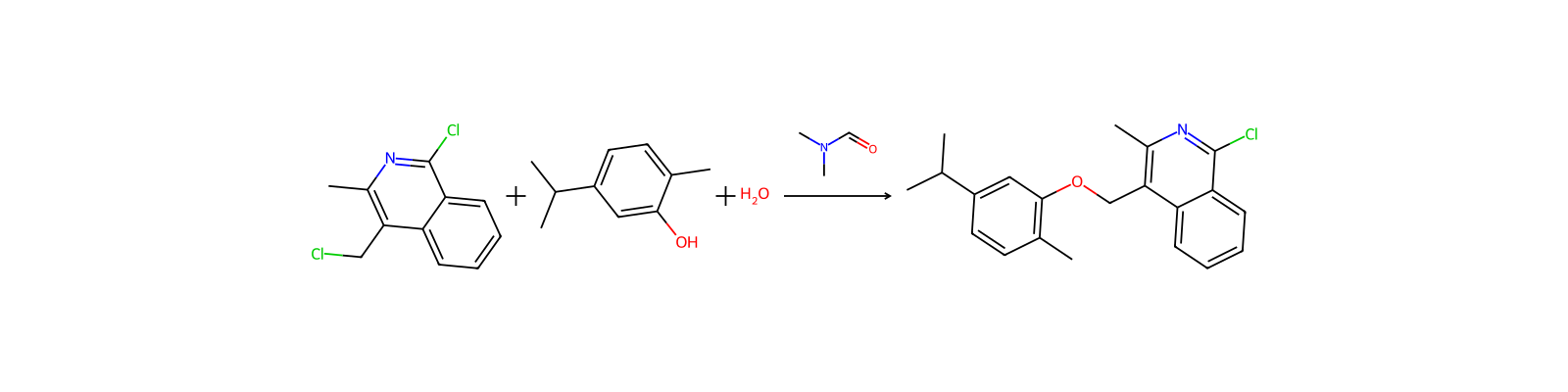
HRID 80823 reaction equation
HRID 80823As productuspto-grants-2014_09
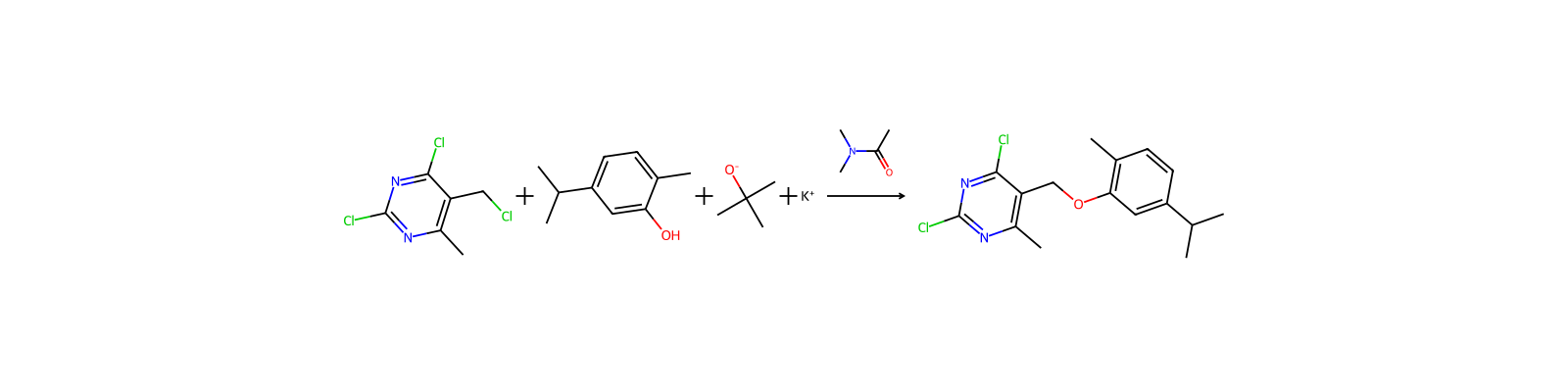
HRID 251647 reaction equation
HRID 251647As reactantuspto-grants-2011_01
HRID 273664 reaction equation
HRID 273664As productuspto-grants-1995_02
HRID 296675 reaction equation
HRID 296675As reactantTraining data from https://doi.org/10.1039/C8SC04228D (8/10)
HRID 606305 reaction equation
HRID 606305As reactantuspto-grants-2011_03
HRID 1091938 reaction equation
HRID 1091938As reactantuspto-grants-2012_03
HRID 1392681 reaction equation
HRID 1392681As reactantuspto-grants-2008_03
HRID 1455756 reaction equation
HRID 1455756As reactantuspto-grants-2009_01
Page 1 of 2

Compound notes

Loading…

On this pageBasic informationOverviewNames & identifiersPropertiesSafety & regulationChemistry & industryRelated reactionsCompound notes
More actions
New noteNew reactionRequest quotes
FLAVORING AGENT OR ADJUVANT -> FDA Substance added to food
Density · 2 items

0.976 @ 20 °C/4 °C

0.974-0.979

Flavoring AgentsEU Flavoring substances

Physicochemical properties

Melting point
3 · 3-4 °C(lit.)
Boiling point
236 · 236-237 °C(lit.)
Density
0.976 g/mL · 0.976 g/mL at 20 °C(lit.)
vapor pressure
3.09 · 3.09-6.664Pa at 25℃
FEMA
2245 · 2245 | CARVACROL
refractive index
20 · n20/D 1.522(lit.)
FLAVIS Number
4.031 · 04.031 | Carvacrol
Flash point
224 °F · 224 °F
storage temp.
-20 °C · -20°C
solubility
1.25 g/l · 1.25g/l
pka
10.38 · 10.38±0.10(Predicted)
form
Liquid
color
Colorless to Light orange to Yellow
Odor
Penetrating, dry-medicinal (“-phenolic”) - herbaceous odor with a spicy undertone.
Odor Type
spicy
biological source
synthetic
Water Solubility
Insoluble
Merck
14 · 14,1872
JECFA Number
710 · 710
BRN
1860514 · 1860514
Henry's Law Constant
1.5 · 1.5×100 mol/(m3Pa) at 25℃, Martins et al. (2017)
Stability
Stable. Combustible. Incompatible with strong bases, strong oxidizing agents.
Major Application
cleaning productscosmeticsflavors and fragrancesfood and beveragespersonal care
Cosmetics Ingredients Functions
PERFUMING
Cosmetic Ingredient Review (CIR)
Carvacrol (499-75-2)
InChI
1S/C10H14O/c1-7(2)9-5-4-8(3)10(11)6-9/h4-7,11H,1-3H3
InChIKey
RECUKUPTGUEGMW-UHFFFAOYSA-N
SMILES
CC(C)c1ccc(C)c(O)c1
LogP
3.33 · 3.33-3.49
CAS DataBase Reference
499 · 499-75-2(CAS DataBase Reference)
Substances Added to Food (formerly EAFUS)
CARVACROL
EWG's Food Scores
1 · 1
FDA UNII
9 B1J4V995Q · 9B1J4V995Q
NIST Chemistry Reference
2 · Phenol, 2-methyl-5-(1-methylethyl)-(499-75-2)
EPA Substance Registry System
Isopropyl-o-cresol (499-75-2)
UNSPSC Code
85151701 · 85151701
NACRES
24 · NA.24
Symbol(GHS)
5 · GHS05,GHS07,GHS09
Signal word
Danger
Hazard statements
302 · H302-H314-H411
Precautionary statements
270 · P270-P273-P280-P301+P312-P303+P361+P353-P305+P351+P338
Hazard Codes
C
Risk Statements
22 · 22-34
Safety Statements
26 · 26-36/37/39-45
RIDADR
3265 · UN 3265 8/PG 3
WGK Germany
3 · 3
RTECS
1225000 · FI1225000
TSCA
TSCA listed
HazardClass
8 · 8
PackingGroup
III
HS Code
29071990 · 29071990
Storage Class
8 A · 8A - Combustible corrosive hazardous materials
Hazard Classifications
4 OralAquatic · Acute Tox. 4 OralAquatic Chronic 2Eye Dam. 1Skin Corr. 1B
Hazardous Substances Data
499 · 499-75-2(Hazardous Substances Data)
Toxicity
100 mg/kg · LD orally in rabbits: 100 mg/kg (Kochmann)
REACH Registrations
Active
Limited Quantities
1 L · 1.0 L (0.3 gallons) (liquid) or 1 Kg (2.2 lbs) (solid)
Excepted Quantities
Max Inner Pack (30g or 30ml) and Max Outer Pack (500g or 500ml)
Hazard Classes and CategoriesAcute Tox. 4 (99.8%)

Toxicology

Adverse EffectsNeurotoxin - Other CNS neurotoxin
Toxicity Summary · 2 items

The CIR Expert panel concludes Sodium p-Chloro-m-Cresol, p-Chloro-m-Cresol, Chlorothymol, m-Cresol, o-Cresol, Isopropyl Cresols, Thymol, o-Cymen-5-ol, Cavacrol are safe at concentrations up to 0.5% in cosmetics; however, the available data are insufficient to support the safety of p-Cresol and Mixed Cresols for use in cosmetic products.

Safe for use in cosmetics, with qualifications

Natural Pollution Sources · 2 items

FOUND IN OIL OF ORIGANUM, THYME, MARJORAM, SUMMER SAVORY...

OCCURS IN BARK OIL OF THUJA ARTICULATA, CAMPHOR OIL, IN OILS OF MONARDA CITRIODORA & MONARDA FISTULOSA, IN SOME SPECIES OF SATUREJA, IN OIL OF VARIOUS SPECIES OF ORIGANUM, THYME, THYMBRA SPICATA L, IN SEED OIL OF PTYCHOTIS AJOWAN DC, & OTHERS.

Human Toxicity Excerpts · 2 items

TECHNICAL GRADE (1.0 & 0.1% IN ETHANOL) PRODUCED POS PATCH TESTS IN PT WITH ACUTE DERMATITIS OF FACE, BUT NO POS RESPONSES IN CONTROL SUBJECTS. TESTED @ 4% IN PETROLATUM, IT PRODUCED NO IRRITATION AFTER 48-HR.

CARVACROL SHOWED MODERATE CYTOTOXIC EFFECTS IN HELA CELLS.

Non-Human Toxicity Excerpts · 5 items

SOMEWHAT MORE TOXIC THAN THYMOL IN RATS & RABBITS.

EVALUATED FOR MUTAGENIC EFFECTS TO 5 STRAINS OF SALMONELLA TYPHIMURIUM EMPLOYING PROCEDURES DESCRIBED BY AMES, ISOTHYMOL HAD PRONOUNCED MUTAGENICITY.

CARVACROL APPLIED FULL STRENGTH TO INTACT OR ABRADED RABBIT SKIN FOR 24 HR UNDER OCCLUSION WAS SEVERELY IRRITATING.

WHEN MIXT OF 93% CARVACROL & 7% THYMOL IN ARACHIS OIL WAS ADMIN BY GASTRIC INTUBATION TO CFE STRAIN RATS IN SINGLE DOSE OF 1.5 MMOL/KG, SLIGHT INCR IN PRODUCTION OF LIVER BIPHENYL-4-HYDROXYLASE WAS NOTED.

CARVACROL SHOWED PAPAVERINE-LIKE ANTISPASMODIC ACTION ON ISOLATED SMALL INTESTINE OF MOUSE. ADDED TO BOVINE SEMINAL VESICLE MICROSOMES @ 4.1 UG/ML, IT INHIBITED THE IN VITRO FORMATION OF PROSTAGLANDIN E1 BY 50%.

Effects During Pregnancy and Lactation◉ Summary of Use during Lactation

Regulatory information

FDA Requirements · 2 items

172.515

121.1164; LIMITATIONS: SYNTHETIC FLAVOR.

Safety data

wgk
3
tsca
TSCA listed
rtecs
FI1225000
ridadr
UN 3265 8/PG 3
hs_code
29071990
Toxicity
LD orally in rabbits: 100 mg/kg (Kochmann)
risk_code
22-34
Signal word
Danger
Symbol(GHS)
GHS05,GHS07,GHS09
hazard_code
C
safety_code
26-36/37/39-45
hazard_class
8
Storage Class
8A - Combustible corrosive hazardous materials
packing_group
III
Hazard statements
H302-H314-H411
Limited Quantities
1.0 L (0.3 gallons) (liquid) or 1 Kg (2.2 lbs) (solid)
Excepted Quantities
Max Inner Pack (30g or 30ml) and Max Outer Pack (500g or 500ml)
REACH Registrations
Active
Hazard Classifications
Acute Tox. 4 OralAquatic Chronic 2Eye Dam. 1Skin Corr. 1B
Precautionary statements
P270-P273-P280-P301+P312-P303+P361+P353-P305+P351+P338
Hazardous Substances Data
499-75-2(Hazardous Substances Data)

...BY CHLORINATION OF ALPHA-PINENE WITH TERT-BUTYL HYPOCHLORITE: RITTER, GINSBURG, J AM CHEM SOC 72, 2381 (1950); FROM 2-BROMO-P-CYMOL: STRUBELL, BAUMGARTEL, ARCH PHARM 291, 66 (1958).

Formulations/Preparations · 2 items

THE COMMERCIAL PRODUCT CONSISTS OF A MIXTURE OF ISOMERS DIFFERING BECAUSE OF THE POSITION OF THE ISOPROPYL RADICAL. THE TECHNICAL & PURE QUALITY ARE DIFFERENT BECAUSE OF THE ODOR CHARACTERISTICS.

THE MAIN CONSTITUENT/OF ORIGANUM OIL/IS CARVACROL (ca 60%)

Household ProductsInformation on 1 consumer products that contain Carvacrol in the following categories is provided:
Use Classification · 6 items

Fragrance Ingredients

Flavouring Agent -> FLAVOURING_AGENT -> JECFA Functional Classes

Flavoring Agents -> JECFA Flavorings Index

Flavouring Agent -> FLAVOURING_AGENT -> JECFA Functional Classes

Flavouring Agent -> FLAVOURING_AGENT -> JECFA Functional Classes

Flavouring Agent -> FLAVOURING_AGENT -> JECFA Functional Classes

General Manufacturing Information · 5 items

Not Known or Reasonably Ascertainable

Phenol, 2-methyl-5-(1-methylethyl)-: ACTIVE

FLAVORS USEFUL IN: SMOKE FLAVORS, SPICE, MEAT FLAVORS.

REPORTED USES: /IN/ NON-ALCOHOLIC BEVERAGES 26 PPM; ICE CREAM, ICES, ETC 34 PPM; CANDY 92 PPM; BAKED GOODS 120 PPM; CONDIMENTS 37 PPM.

FEMA NUMBER 2245

Applications · 5 items

OccurrenceReported found in cumin seed, thyme, oregano, calamus, lovage, myrtle and lemon balm.

UsesReference Standard in the analysis of herbal medicinal products

UsesCarvacrol is a flavoring agent that is a colorless to pale yellow liquid. it has a spicy and pungent odor, resembling thymol. it is insoluble in water and soluble in alcohol and ether. it is a mixture of the isomeric carvacrols (isopropyl o-creols), and is obtained by chemical synthesis. it is also an ingredient of savory, a fragrant herb in nature.

UsesAs disinfectant; in organic syntheses.

General DescriptionProduced and qualified by HWI pharma services GmbH.Exact content by quantitative NMR can be found on the certificate.

Preparation methods · 2 items

PreparationIt can be obtained through treatment of the essential oil containing rich content of natural carvacrol followed by ether extraction or steam distillation to derive it. It can be derived by the sulfonation of thymol followed by alkali treatment.

PreparationFrom p-cymene by sulfonation and subsequent alkali fusion.

Upstream & downstream products

Upstream raw materials

Eucalyptus Citriodara OilThymolBicyclo[4.1.0]hept-3-en-2-one, 4,7,7-trimethyl-Bicyclo[4.1.0]hept-3-en-2-one, 3,7,7-trimethyl-2,4-Cycloheptadien-1-one, 3,6,6-trimethyl-Bicyclo[4.1.0]hept-4-en-3-one, 4,7,7-trimethyl-2,6,6-Trimethyl-2,4-cycloheptadien-1-one5-Isopropyl-3-methylphenol

Downstream products

Acetamide2-(5-Isopropyl-2-methyl-phenoxy)-ethylamine

Additional notes

DefinitionChEBI: A phenol that is a natural monoterpene derivative of cymene. An inhibitor of bacterial growth, it is used as a food additive. Potent activator of the human ion channels transient receptor potential V3 (TRPV3) and A1 (TRPA1).