
HomeMCPWorkbenchSkills
HomeWorkbenchNotificationsMe
llms.txt · MCP GuidePrivacy Policy · Terms of Service · Supportv1.8.3
  1. Home
  2. /Compound

Benzyl chloroformate

HCID 10387
New reaction
Print
Basic informationOverviewNames & identifiersPropertiesSafety & regulationChemistry & industryRelated reactionsCompound notes
Substructure searchFind similar structures

Basic information

CAS
501-53-1
Standard SMILES
O=C(Cl)OCc1ccccc1
InChIKey
HSDAJNMJOMSNEV-UHFFFAOYSA-N
Molecular formula
C8H7ClO2
Average molar mass
170.59 g/mol
Monoisotopic mass
170.0134572

Overview

Benzyl chloroformate appears as a colorless liquid with an acrid odor. Vapors irritate eyes and mucous membranes. Corrosive to metals and tissue. Long-term inhalation of low concentrations or short-term inhalation of high concentrations can result in adverse health effects.

Names & identifiers

Preferred name
Benzyl chloroformate
IUPAC
benzyl carbonochloridate
English name
Benzyl chloroformate
Molecular formula
C8H7ClO2
Molecular weight
170.59

Names & synonyms

BENZYL CHLOROFORMATE501-53-1Benzyl carbonochloridateCarbobenzoxy chlorideBenzyl chlorocarbonateBenzylcarbonyl chlorideBenzyloxycarbonyl chlorideCarbobenzyloxy chlorideCarbonochloridic acid, phenylmethyl esterChloroformic Acid Benzyl EsterFormic acid, chloro-, benzyl esterChloroformic acid, benzyl ester
Show more names
CBZBCFZ-CLBenzyl ChlorofomateCBZCIZ-CHLORIDE
BenzylcarbonochloridateDTXSID9027158170BP0DD31NSC-83466DTXCID607158RefChem:118863207-925-0Cbz chloride

Database identifiers

CAS
501-53-1
PubChem CID
10387
DTXSID
DTXSID9027158
ChEMBL
CHEMBL1581748
UNII
170BP0DD31
EC Number
207-925-0
Nikkaji
J6.192A

Properties

Computed structural properties

XLogP
3
Topological polar surface area
26.3 Ų
Hydrogen bond donors
0
Hydrogen bond acceptors
2
Rotatable bonds
3
Heavy atoms
11
Formal charge
0
Complexity
130

Experimental & physicochemical properties

Chemical Classes · 2 items

Toxic Gases & Vapors -> Acid Halides

Corrosives

SpringerMaterials PropertiesChemical shift
Odor · 3 items

ACRID ODOR

ODOR OF PHOSGENE

SHARP, PENETRATING ODOR

Density · 4 items

1.22 at 68 °F (USCG, 1999) - Denser than water; will sink

1.2166 20 °C/4 °C

Relative density (water = 1): 1.20

1.2166 @ 20°C

Viscosity2.57 mPa-s (cP) @ 20 °C
Color/Form · 2 items

OILY LIQUID

COLORLESS TO PALE YELLOW LIQUID

Solubility · 2 items

SOL IN ETHER, ACETONE, BENZENE

Solubility in water: reaction

CorrosivityCorrosive
Flash Point · 4 items

227 °F Vigorous decomposition occurs at these temperatures; thus these values are anomalous due to the effect of the decomp. products (benzyl chloride and CO2). (USCG, 1999)

[HSDB] 80 °C

176 °F OC; 227 °F CC

80.0 °C c.c.

Boiling Point · 3 items

306 °F at 760 mmHg (decomposes) (USCG, 1999)

152 °C AT 760 MM HG

152 °C @760 [mm Hg]

Decomposition · 3 items

EMITS HIGHLY TOXIC PHOSGENE FUMES WHEN HEATED TO 100 °C.

DANGEROUS; WHEN HEATED TO DECOMP ... THEY EVOLVE HIGHLY TOXIC /HYDROGEN/ CHLORIDE FUMES. /CHLORIDES/

>100 °C

Melting Point0 °C

Physicochemical properties

Melting point
0 °C · 0 °C
Boiling point
103 °C · 103 °C (217 °F; 376 K) (20 Torr)
Density
1.195 g/cm3 · 1.195 g/cm3
vapor density
1 · 1 (vs air)
vapor pressure
1.39 psi · 1.39 psi ( 20 °C)
refractive index
1.519 · 1.519 (589 nm)
Flash point
80 °C · 80 °C (176 °F; 353 K)
storage temp.
2 °C · Store at +2°C to +8°C.
solubility
Miscible with ether, acetone and benzene.
form
liquid
color
colorless, yellow
Odor
Irritating; sharp, penetrating.
Water Solubility
decomposes
Sensitive
Moisture Sensitive
Merck
14 · 14,1801
Exposure limits
1 ppmOSHA: · ACGIH: TWA 1 ppmOSHA: TWA 1 ppm(5 mg/m3)NIOSH: IDLH 10 ppm; Ceiling 1 ppm(5 mg/m3)
Stability
Stable. Incompatible with water, oxidizing agents. Combustible.
InChI
1S/C8H7ClO2/c9-8(10)11-6-7-4-2-1-3-5-7/h1-5H,6H2
InChIKey
HSDAJNMJOMSNEV-UHFFFAOYSA-N
SMILES
ClC(=O)OCc1ccccc1
CAS DataBase Reference
501 · 501-53-1(CAS DataBase Reference)
EWG's Food Scores
1 · 1
FDA UNII
170 BP0DD31 · 170BP0DD31
NIST Chemistry Reference
Benzyl chloroformate(501-53-1)
EPA Substance Registry System
Carbonochloridic acid, phenylmethyl ester (501-53-1)
UNSPSC Code
12352108 · 12352108
NACRES
22 · NA.22
Symbol(GHS)
5 · GHS05,GHS06,GHS09
Signal word
Danger
Hazard statements
330 · H330-H303-H314-H335-H410-H227-H290
Precautionary statements
501 · P501-P273-P260-P210-P234-P271-P264-P280-P284-P370+P378-P390-P312-P391-P303+P361+P353-P301+P330+P331-P363-P304+P340+P310-P305+P351+P338+P310-P403+P233-P403+P235-P406-P405
target organs
Respiratory system
Hazard Codes
T,C,N,F
Risk Statements
45 · 45-20-34-48/22-50/53-67-65-63-48/20-11-43-37-23
Safety Statements
53 · 53-26-36/37/39-45-60-61-62-46-36/37
RIDADR
1739 · UN 1739
WGK Germany
3 · 3
RTECS
5860000 · LQ5860000
F
19 · 19
Autoignition Temperature
590 °C · 590 °C
TSCA
TSCA listed
HS Code
2915900090 · 2915900090
HazardClass
8 · 8
PackingGroup
I
Storage Class
6.1 C · 6.1C - Combustible, acute toxic Cat.3toxic compounds or compounds which causing chronic effects
Hazard Classifications
1 Aquatic · Aquatic Acute 1Aquatic Chronic 1Carc. 1BEye Dam. 1Skin Corr. 1BSTOT SE 3
Hazardous Substances Data
501 · 501-53-1(Hazardous Substances Data)
Toxicity
50 orally · LD50 orally in Rabbit: 3000 mg/kg
REACH Registrations
Active
Excepted Quantities
Not Permitted as Excepted Quantity

Safety & regulation

Safety information is for reference only and does not replace the supplier’s Safety Data Sheet (SDS), applicable regulations, or professional assessment.

GHS classification

GHS Classification · 6 items

Danger

H314: Causes severe skin burns and eye damage [Danger Skin corrosion/irritation]

P260, P264, P273, P280, P301+P330+P331, P302+P361+P354, P304+P340, P305+P354+P338, P316, P321, P363, P391, P405, and P501 (click each P-code to see the statement)

This chemical does not meet GHS hazard criteria for 0.6% (1 of 173) of reports.

Danger

H314 (99.4%): Causes severe skin burns and eye damage [Danger Skin corrosion/irritation]

Hazard information

Regulatory Information · 5 items

Chemical: Carbonochloridic acid, phenylmethyl ester

Carbonochloridic acid, phenylmethyl ester is listed on the EPA's Chemical Data Reporting (CDR) system. Manufacturers and importers of Carbonochloridic acid, phenylmethyl ester are required to report information about their production and use of this chemical to the EPA under the Toxic Substances Control Act (TSCA). (40 eCFR Part 711)

REACH registered substance: Benzyl chloroformate (EC: 207-925-0)

Benzyl chloroformate: Does not have an individual approval but may be used under an appropriate group standard

The New Jersey Worker and Community Right to Know Act requires public and private employers to provide information about hazardous substances at their workplaces. (N.J.S.A. 34:5A-1 et. seq.)

Other Safety InformationEvaluation - Chemicals that are unlikely to require further regulation to manage risks to human health
DOT LabelCorrosive
Fire Hazards · 3 items

Special Hazards of Combustion Products: Toxic phosgene, hydrogen chloride, and benzyl chloride vapors may form.

· EXCEPT FOR ACETIC ANHYDRIDE (UN1715), THAT IS FLAMMABLE, some of these materials may burn, but none ignite readily.

Combustible. Gives off irritating or toxic fumes (or gases) in a fire.

Fire PotentialCOMBUSTIBLE
Health Hazards · 2 items

Inhalation causes mucous membrane irritation. Eyes are irritated by excessive exposure to vapor. Liquid causes severe irritation of eyes and irritates skin. Ingestion causes irritation of mouth and stomach. (USCG, 1999)

· CORROSIVE and/or TOXIC; inhalation, ingestion or contact (skin, eyes) with vapors, dusts or substance may cause severe injury, burns or death.

Hazards SummaryCorrosive to skin; [Quick CPC] A skin, eye, and respiratory tract irritant; Lacrimator; [HSDB] A corrosive substance that causes lacrimation and may cause lung edema after inhalation of high concentrations; [ICSC] See CHLOROFORMATES.
DOT ID and Guide1739 137
Reactive GroupAcyl Halides, Sulfonyl Halides, and Chloroformates
EC ClassificationSymbol: C, N; R: 34-50/53; S: (1/2)-26-45-60-61
UN ClassificationUN Hazard Class: 8; UN Pack Group: I
Reactivity AlertsWater-Reactive

Safety & protection

Fire Fighting · 2 items

Excerpt from ERG Guide 137 [Substances - Water-Reactive - Corrosive]:

Use dry powder, foam, carbon dioxide.

First Aid Measures · 4 items

Fresh air, rest. Half-upright position. Artificial respiration may be needed. Refer for medical attention.

Remove contaminated clothes. Rinse skin with plenty of water or shower.

First rinse with plenty of water for several minutes (remove contact lenses if easily possible), then refer for medical attention.

Do NOT induce vomiting. Give one or two glasses of water to drink. Refer for medical attention .

Accidental Release Measures · 2 items

· CALL 911. Then call emergency response telephone number on shipping paper. If shipping paper not available or no answer, refer to appropriate telephone number listed on the inside back cover.

· Do not touch damaged containers or spilled material unless wearing appropriate protective clothing.

First Aid · 2 items

INHALATION: remove from exposure; support respiration; call physician.

General First Aid:

Safe StorageSeparated from food and feedstuffs. Dry. Well closed.
Exposure Control and Personal Protection· Wear positive pressure self-contained breathing apparatus (SCBA).
Fire Fighting Procedures · 2 items

EXTINGUISH WITH DRY CHEMICALS, FOAM OR CARBON DIOXIDE.

If material on fire or involved in fire: Use dry chemical, dry sand, or carbon dioxide. Do not use water on material itself. If large quantities of combustibles are involved, use water in flooding quantities as spray and fog. Use water spray to knock-down vapors. Cool all affected containers with flooding quantities of water. Apply water from as far a distance as possible.

Nonfire Spill ResponseExcerpt from ERG Guide 137 [Substances - Water-Reactive - Corrosive]:
Spillage Disposal · 1 item

Collect leaking and spilled liquid in sealable containers as far as possible. Carefully collect remainder. Then store and dispose of according to local regulations. Personal protection: complete protective clothing including self-contained breathing apparatus.

Preventive Measures · 2 items

If material not on fire and not involved in fire: Keep sparks, flames, and other sources of ignition away. Keep material out of water sources and sewers. Build dikes to contain flow as necessary. Use water spray to knock-down vapors. Do not use water on material itself. Neutralize spilled material with crushed limestone, soda ash, or lime.

Personnel protection: Avoid breathing vapors. Keep upwind. Wear positive pressure self-contained breathing apparatus. Avoid bodily contact with the material. Wear appropriate chemical protective gloves, boots and goggles. Do not handle broken packages unless wearing appropriate personal protective equipment Wash away any material which may have contacted the body with copious amounts of water or soap and water. If contact with the material anticipated, wear appropriate chemical protective clothing.

Isolation and Evacuation · 2 items

Excerpt from ERG Guide 137 [Substances - Water-Reactive - Corrosive]:

Immediate precautionary measure

Eye PreventionWear face shield or eye protection in combination with breathing protection.

Toxicology

Adverse EffectsDermatotoxin - Skin burns.
Exposure RoutesThe substance can be absorbed into the body by inhalation and by ingestion.
Signs and Symptoms · 4 items

Cough. Shortness of breath. Sore throat. Laboured breathing.

Skin burns.

Watering of the eyes. Severe deep burns.

Burning sensation. Abdominal pain. Shock or collapse.

Human Toxicity Excerpts · 2 items

... LACRIMATOR.

INHALATION CAUSES MUCOUS MEMBRANE IRRITATION. EYES ARE IRRITATED BY EXCESSIVE EXPOSURE TO VAPOR. LIQ CAUSES IRRITATION OF EYES & IRRITATES SKIN. INGESTION CAUSES IRRITATION OF MOUTH & STOMACH.

Toxicity DataLC50 (rat) = 590 mg/m3/4h

Safety data

F
19
wgk
3
tsca
TSCA listed
rtecs
LQ5860000
ridadr
UN 1739
hs_code
2915900090
Toxicity
LD50 orally in Rabbit: 3000 mg/kg
risk_code
45-20-34-48/22-50/53-67-65-63-48/20-11-43-37-23
Signal word
Danger
Symbol(GHS)
GHS05,GHS06,GHS09
hazard_code
T,C,N,F
safety_code
53-26-36/37/39-45-60-61-62-46-36/37
hazard_class
8
Storage Class
6.1C - Combustible, acute toxic Cat.3toxic compounds or compounds which causing chronic effects
packing_group
I
target organs
Respiratory system
Hazard statements
H330-H303-H314-H335-H410-H227-H290
Excepted Quantities
Not Permitted as Excepted Quantity
REACH Registrations
Active
Hazard Classifications
Aquatic Acute 1Aquatic Chronic 1Carc. 1BEye Dam. 1Skin Corr. 1BSTOT SE 3
Autoignition Temperature
590 °C
Precautionary statements
P501-P273-P260-P210-P234-P271-P264-P280-P284-P370+P378-P390-P312-P391-P303+P361+P353-P301+P330+P331-P363-P304+P340+P310-P305+P351+P338+P310-P403+P233-P403+P235-P406-P405
Hazardous Substances Data
501-53-1(Hazardous Substances Data)

Chemistry & industry

Uses & manufacturing

Uses · 3 items

Used to make pharmaceuticals and other chemicals; [HSDB]

In peptide synthesis to block the amino group.

Reactive intermediate to pharmaceuticals and other chemicals.

ImpuritiesMay contain 3% or less benzyl chloride
U.S. Production2023: 631,297 lb
Consumption PatternsAPPROX 100% AS A REAGENT IN /PRC: ORGANIC/ SYNTHESIS
Consumer UsesTerminator/Blocker
Industry UsesTerminator/Blocker
Methods of Manufacturing/IT IS PREPARED/ ... BY ACTION OF PHOSGENE ABSORBED IN TOLUENE ON BENZYL ALCOHOL: CARTER ET AL, ORG SYN 23, 13 (1943); BY REACTING CARBONYL CHLORIDE & BENZYL ALCOHOL @ -20 TO -30 °C
Formulations/Preparations · 4 items

GRADE OR PURITY: 97+%

Typical specifications of commercial chloroformates: purity, 98%; phosgene, <0.1%, iron, <10 ppm; acidity as HCl, <0.1%; alcohol or phenol, <2% /Chloroformic esters/

Commercial products have concentrations of 97-99 wt% /Chloroformic esters/

97%; 50 wt% in toluene

General Manufacturing Information · 3 items

Pharmaceutical and Medicine Manufacturing

Carbonochloridic acid, phenylmethyl ester: ACTIVE

Most chloroformate production is used captively and production figures are not available /Chloroformic esters/

Applications · 3 items

DescriptionBenzyl chloroformate, also known as benzyl chlorocarbonate or Z-chloride, is the benzyl ester of chloroformic acid. It can be also described as the chloride of the benzyloxycarbonyl (Cbz or Z) group. In its pure form it is a water-sensitive oily colorless liquid, although impure samples usually appear yellow. It possesses a characteristic pungent odor and degrades in contact with water. The compound was first prepared by Leonidas Zervas in the early 1930s who used it for the introduction of the benzyloxycarbonyl protecting group, which became the basis of the Bergmann-Zervas carboxybenzyl method of peptide synthesis he developed with Max Bergmann. This was the first successful method of controlled peptide chemical synthesis and for twenty years it was the dominant procedure used worldwide until the 1950s. To this day, benzyl chloroformate is often used for amine group protection.

UsesBenzyl chloroformate is widely used as a reactive chemical intermediate in plastic, pharmaceutical, agricultural and organic chemicals. It is useful for the introduction of carboxybenzyl (cbz) protecting group for amines such as aniline in organic synthesis. It is also involved in the synthesis of 1,2,4-oxadiazoles.

General DescriptionBenzyl chloroformate appears as a colorless liquid with an acrid odor. Vapors irritate eyes and mucous membranes. Corrosive to metals and tissue. Long-term inhalation of low concentrations or short-term inhalation of high concentrations can result in adverse health effects.

Preparation methods · 1 item

PreparationBenzyl chloroformate is prepared in the lab by treating benzyl alcohol with phosgene:PhCH2OH + COCl2→ PhCH2OC(O)Cl + HClPhosgene is used in excess to minimise the production of the carbonate (PhCH2O)2C=O.The use of phosgene gas in the lab preparation carries a very large health hazard, and has been implicated in the chronic pulmonary disease of pioneers in the usage of the compound such as Zervas.
Upstream & downstream products

Upstream raw materials

DiphosgenePhosgeneBenzyl alcohol

Downstream products

2-(Boc-aminomethyl)-piperidineBenzyl 4-(bromomethyl)tetrahydro-1(2H)-pyridinecarboxylateAztreonam1-Methyl-[4,4']bipiperidinylH-beta-Ala-OtBu HClClarithromycinLisinopril DihydrateN-Carbobenzyloxyglycine4-(Boc-Aminomethyl)piperidineGly-7-amino-4-methylcoumarin1-Methylpiperazin-2-oneBenzyl carbamateCARUMONAM1H-Azepine-3-carboxylicacid,hexahydro-,methylester(9CI)Captopril(R)-(+)-1-Boc-3-aminopyrrolidineProcarbazine hydrochloride2-Piperazin-1-yl-acetamidehydrochloride(R)-4-Boc-Piperazine-3-carboxylic acidN-1-Boc-N-4-Cbz-2-piperazinecarboxylic acid t-butyl ester1-(N-Methylpiperidin-3-yl-methyl)piperazine3-[(Benzyloxycarbonyl)amino]propionaldehydeBenzyl 1-homopiperazine carboxylate1-[(Benzyloxy)carbonyl]piperidine-4-carboxylic acidBenzyl 1-piperazinecarboxylate3-O-Methyldopamine hydrochloride

Related reactions

4,213 records
New reaction record
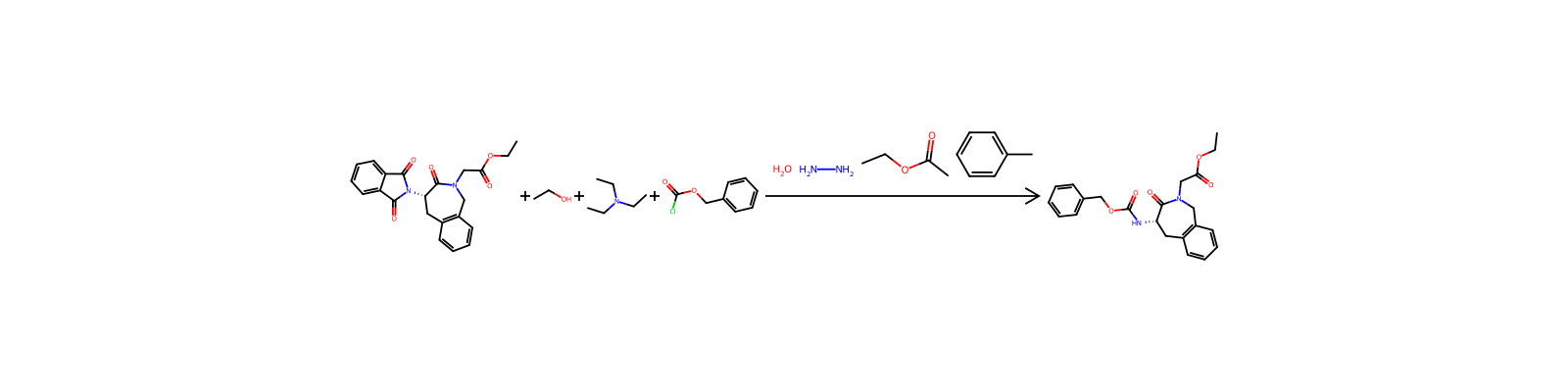
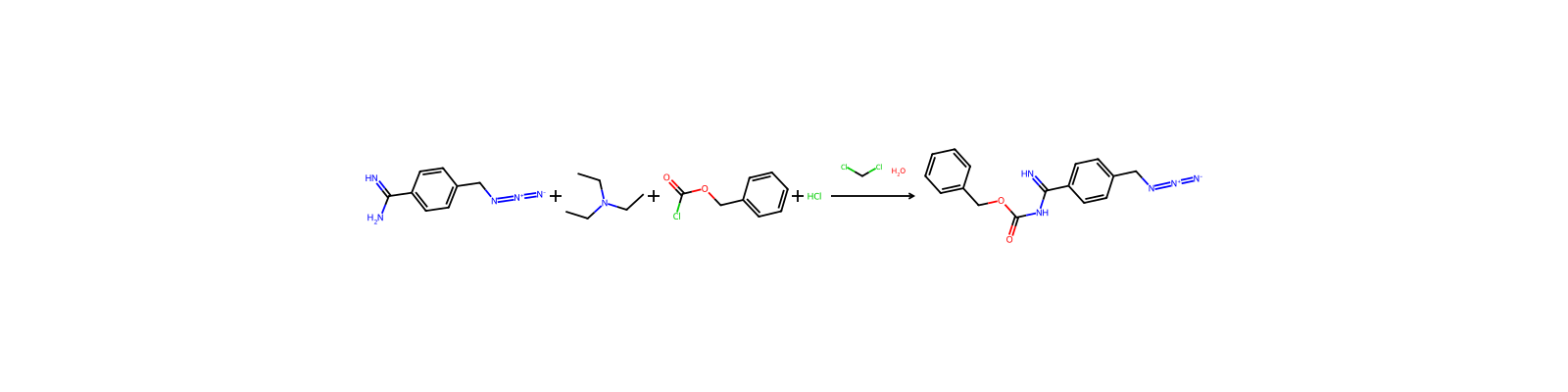
HRID 856 reaction equation
HRID 856As reactant
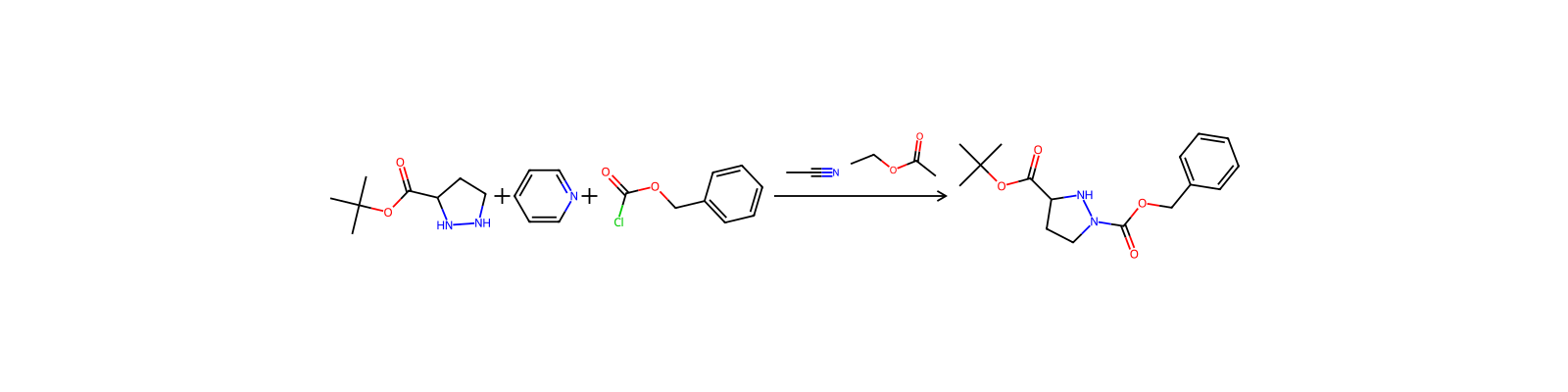
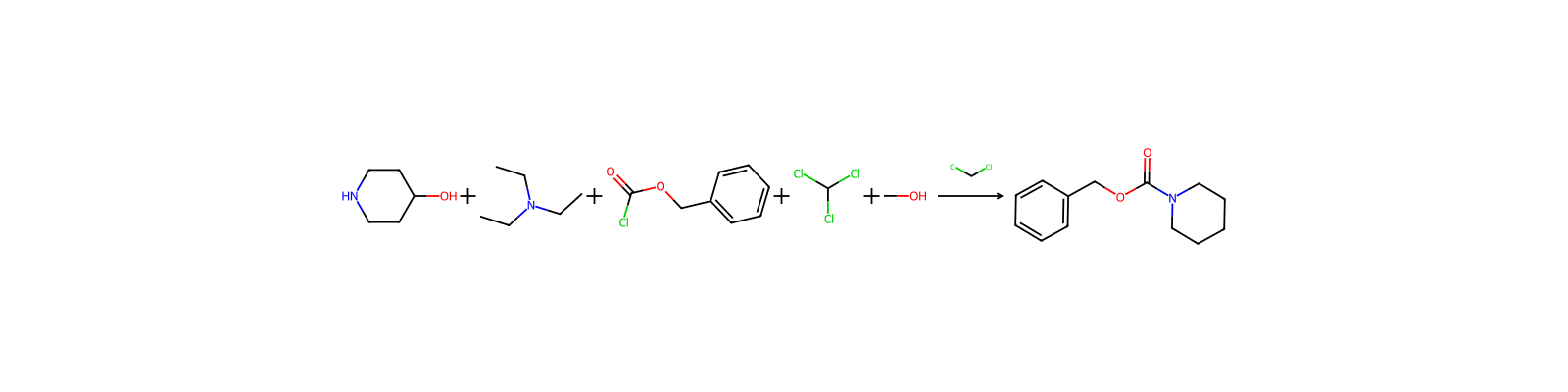
HRID 1076 reaction equation
HRID 1076As reactant
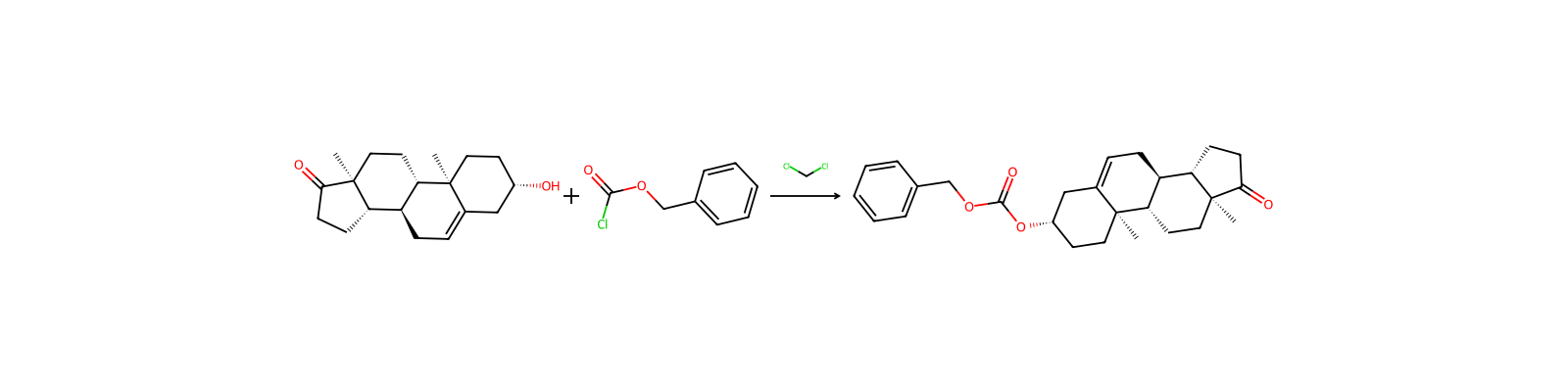
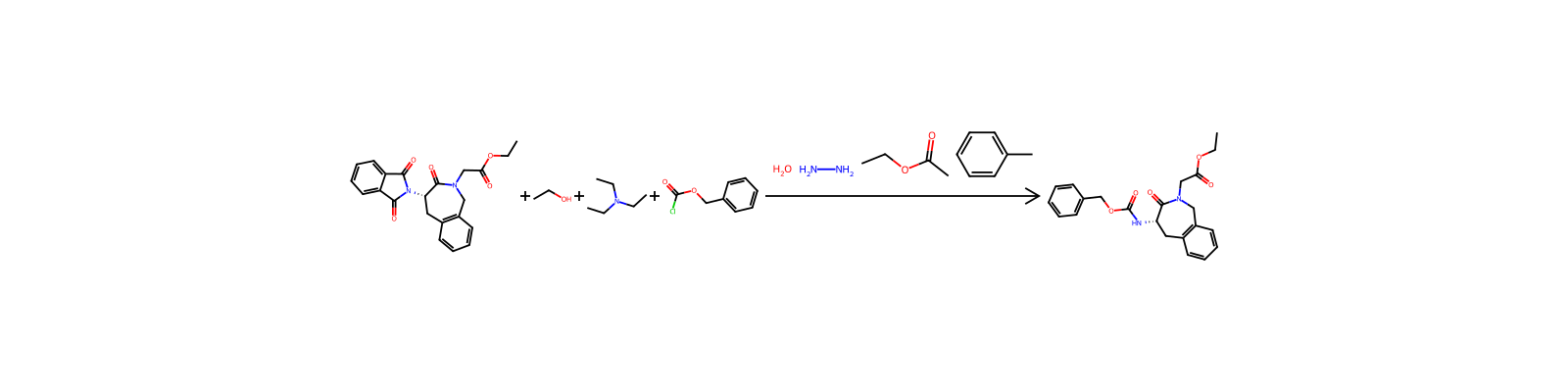
HRID 1186 reaction equation
HRID 1186As reactant
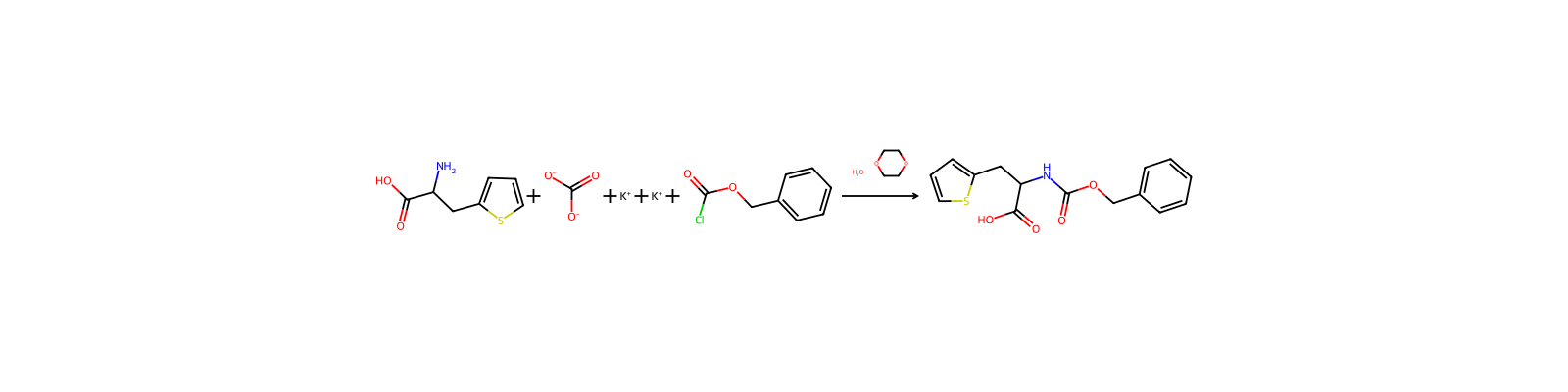
HRID 1318 reaction equation
HRID 1318As reactant
HRID 1330 reaction equation
HRID 1330As reactant
HRID 1842 reaction equation
HRID 1842As reactant
HRID 1983 reaction equation
HRID 1983As reactant
HRID 3672 reaction equation
HRID 3672As reactant
PreviousPage 1 of 527

Compound notes

On this pageBasic informationOverviewNames & identifiersPropertiesSafety & regulationChemistry & industryRelated reactionsCompound notes