HRID 1452As reactant
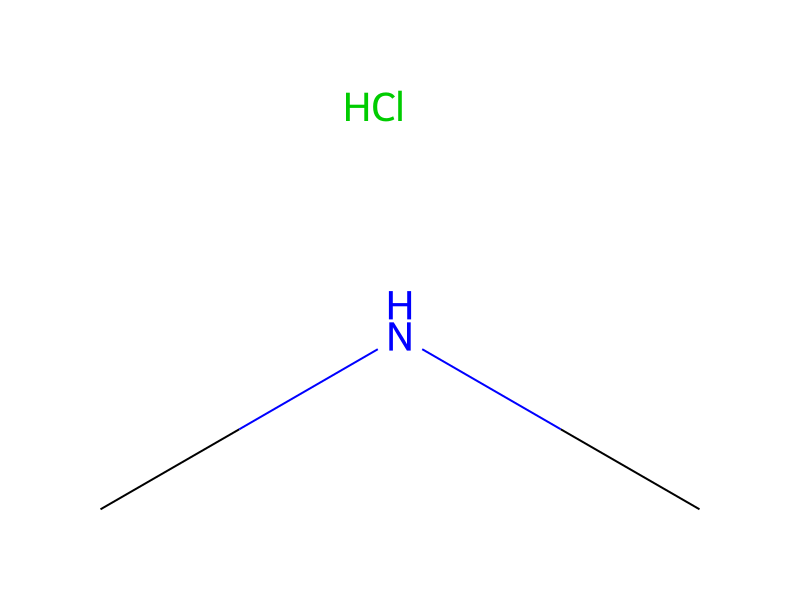
506-59-2CNC.ClIQDGSYLLQPDQDV-UHFFFAOYSA-N506-59-2DTXSID8027163CHEMBL569461Safety information is for reference only and does not replace the supplier’s Safety Data Sheet (SDS), applicable regulations, or professional assessment.
Warning
H302 (99.7%): Harmful if swallowed [Warning Acute toxicity, oral]
P261, P264, P264+P265, P270, P271, P280, P301+P317, P302+P352, P304+P340, P305+P351+P338, P319, P321, P330, P332+P317, P337+P317, P362+P364, P403+P233, P405, and P501 (click each P-code to see the statement)
Aggregated GHS information provided per 363 reports by companies from 12 notifications to the ECHA C&L Inventory. Each notification may be associated with multiple companies.
Warning
H302: Harmful if swallowed [Warning Acute toxicity, oral]
Chemical: Methanamine, N-methyl-, hydrochloride
REACH registered substance: Dimethylammonium chloride (EC: 208-046-5)
Dimethylammonium chloride: Does not have an individual approval but may be used under an appropriate group standard
Acute Tox. 4 (99.7%)
Acute toxicity (Oral) - Category 4
Used as a rubber accelerator and in leather tanning; Also used to make detergents and as a boll weevil attractant; [Merck Index] Used as a catalyst for polymerization reactions, epoxy monomer for paints-coatings-thinners and polymers, to make fine and large scale chemicals, pharmaceuticals, and pesticides, and in electricity-steam-gas-water supply and sewage treatment; [ExPub: ECHA REACH Registrations]
Painting (Pigments, Binders, and Biocides) [Category: Paint]
DescriptionDimethylamine hydrochloride is the raw material of organic synthesis, the catalyzer of analysis as an acetylize, and the preparation of azoviolet and dimethylamine aqueous solution. Dimethylamine hydrochloride deoxidation is very capable, and corrodibility is vital, so be usually used in cleaning-type soldering flux. Preparation technology is for slowly splashing into hydrochloric acid in dimethylamine for tradition, and the speed that splashes into is no more than 15 ℃ with temperature, and pH=7-8 is limited. After the reaction finishes, activated carbon decolorizing is added, the filtrate is adjusted to pH=3-4 with hydrochloric acid, decompression is steamed water to the greatest extent, obtaining dimethylamine hydrochloride.
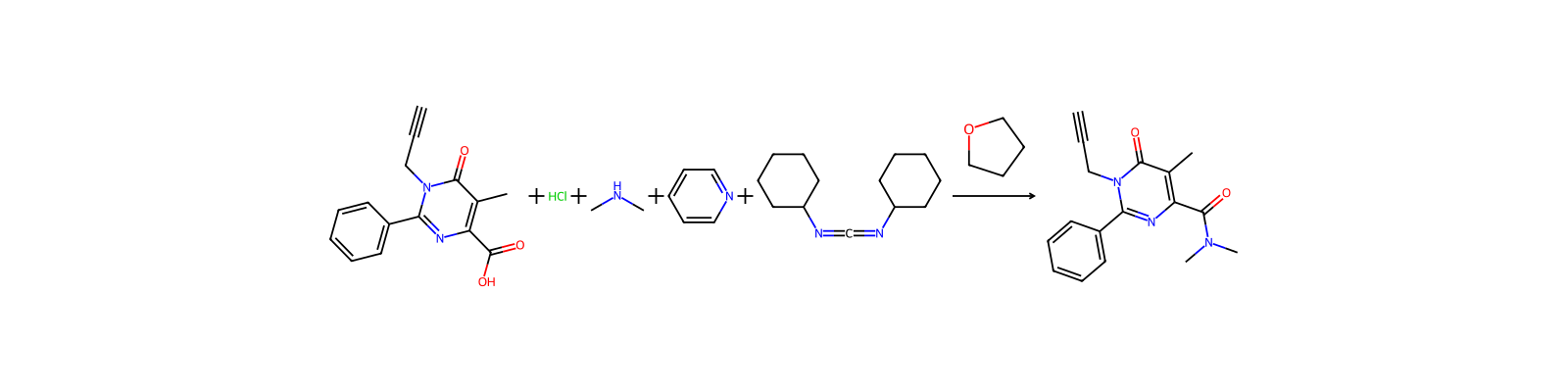
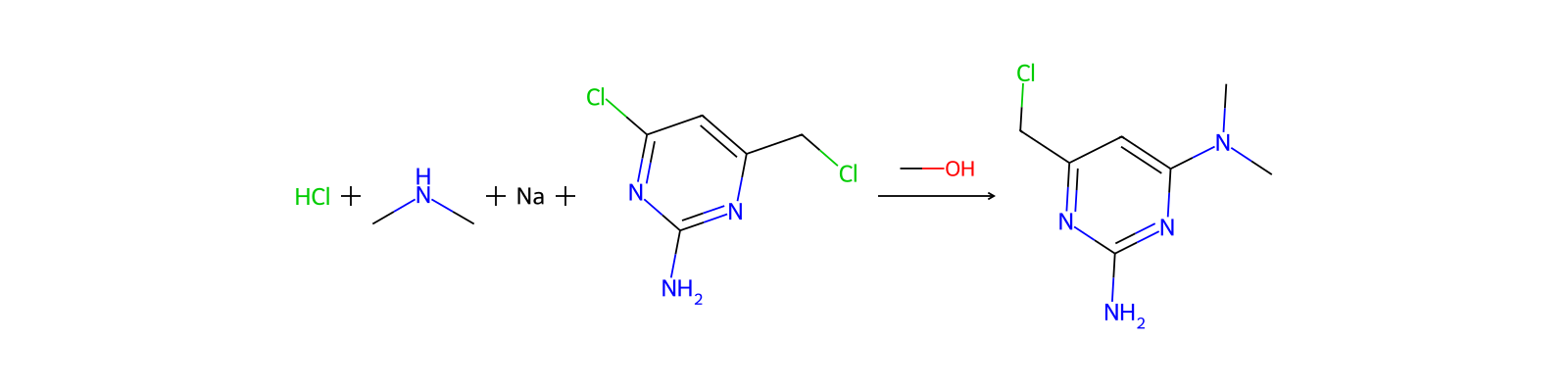
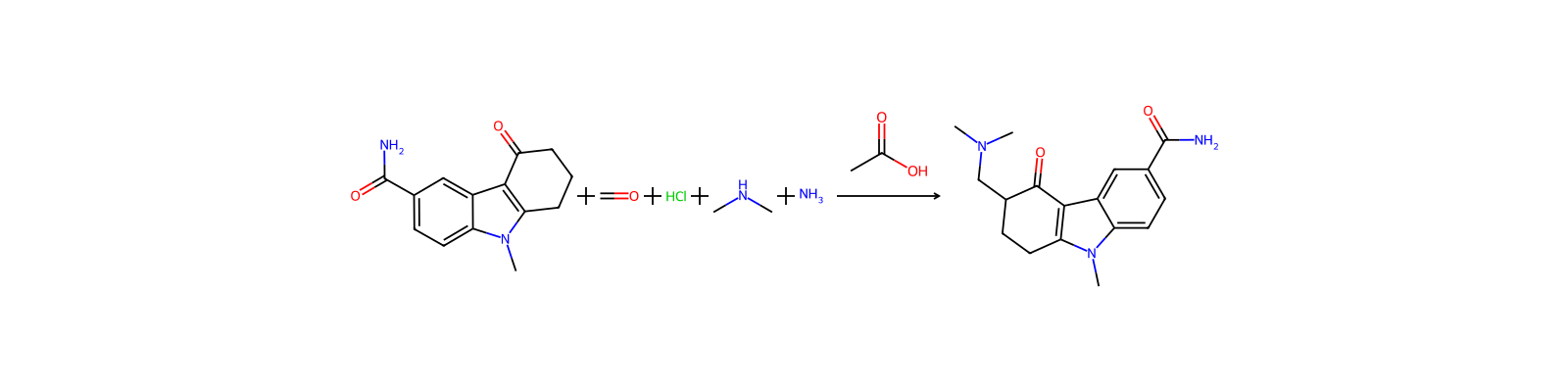
UsesDimethylamine hydrochloride is used as an intermediate in the manufacture of pharmaceuticals like ranitidine and metformin, tramadol and amlodipine. It is used as a precursor of atrazine. It is associated with sodium acetate and used to carry out the Willgerodt- Kindler reaction to prepare amides. Its free base reacts with carbon disulfide to get dimethyldithiocarbamate which is used in rubber vulcanization. It is involved in the synthesis of dimethyl-(1-methyl-pyrrol-2-ylmethyl)-amine by reacting with 1-methyl pyrrole and formaldehyde.
UsesDimethylamine hydrochloride is a precursor to several industrially significant compounds.
UsesAs accelerator in vulcanizing rubber, tanning, manufacture of detergent soaps, or attracting boll weevils to exterminate them. As reagent for Mg.



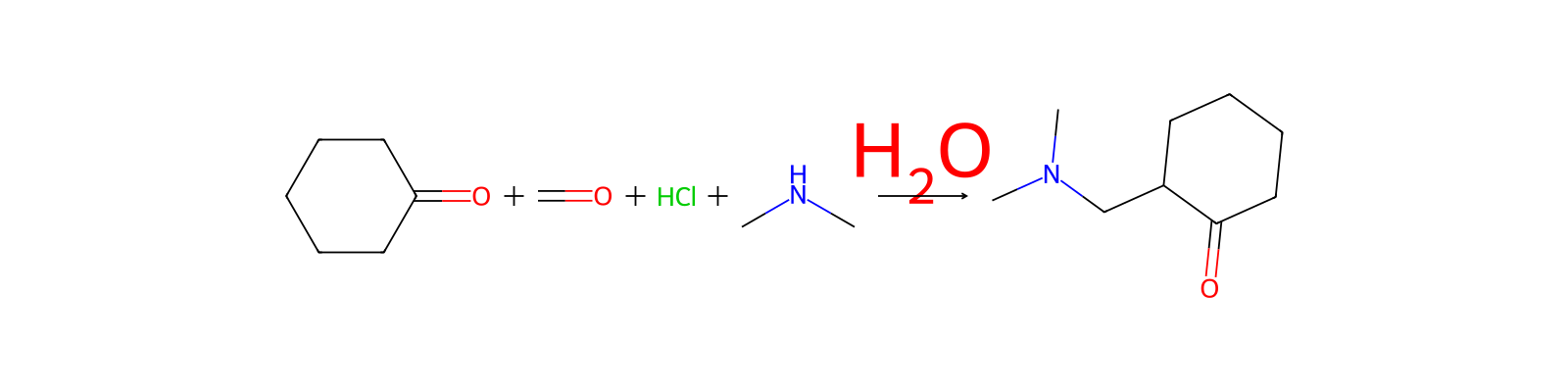
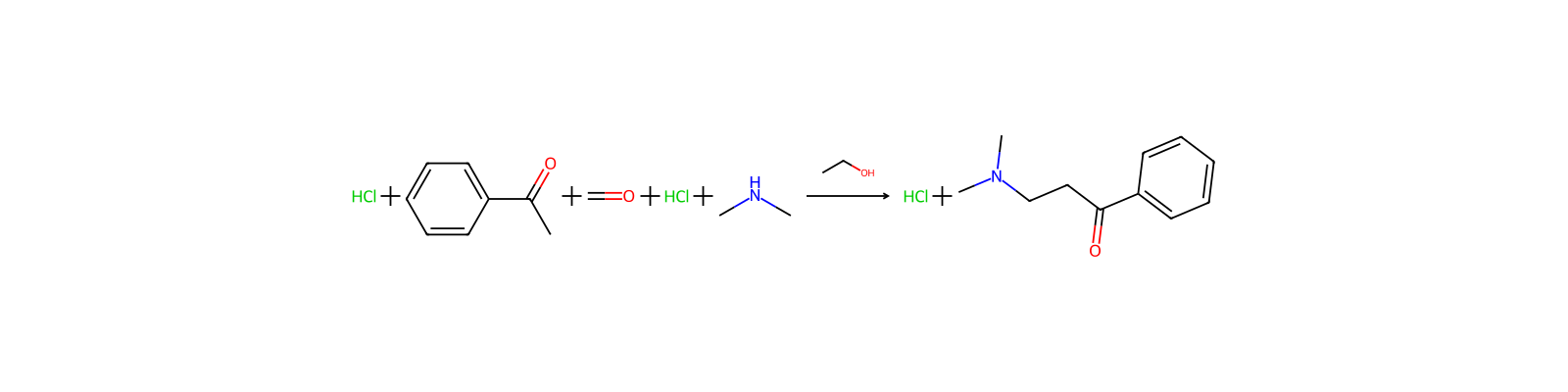
PreparationDimethylamine hydrochloride is obtained from the salt formation of dimethylamine and hydrochloric acid.