
Basic information
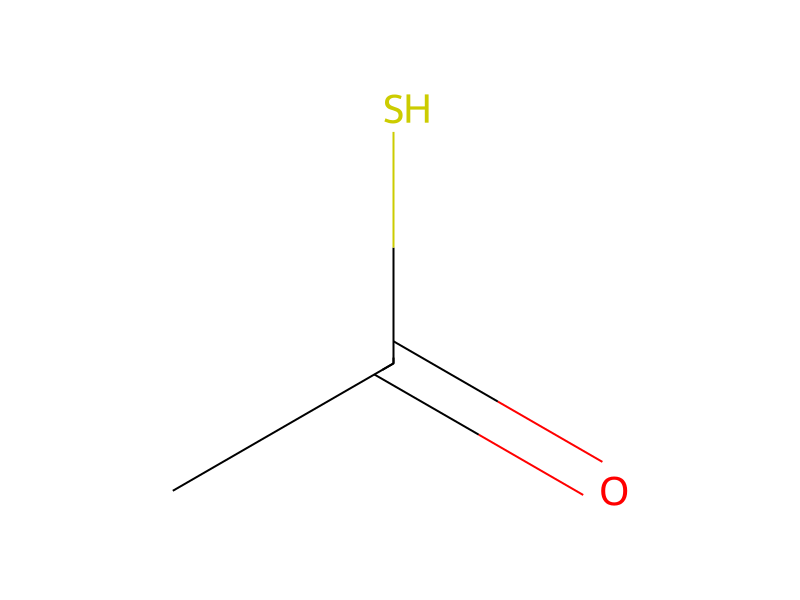
- Standard SMILES
CC(=O)S- InChIKey
DUYAAUVXQSMXQP-UHFFFAOYSA-N- Molecular formula
- C2H4OS
- Average molar mass
- 76.12 g/mol
- Monoisotopic mass
- 75.99828575
Overview
Thioacetic acid appears as a clear,yellow liquid with a strong, unpleasant odor. May be toxic by ingestion, inhalation and skin absorption. Irritating to skin and eyes. Used to make other chemicals.
Names & identifiers
- Preferred name
- Thioacetic acid
- IUPAC
- ethanethioic S-acid
- English name
- Thioacetic acid
- Molecular formula
- C2H4OS
- Molecular weight
- 76.12
Names & synonyms
THIOACETIC ACID507-09-5Ethanethioic acidThiacetic acidThiolacetic acidEthanethiolic acidMethanecarbothiolic acidThionoacetic acidKyselina thiooctovaAcetic acid, thio-PS92MLC0FQDTXSID5060142
Show more names
TAACH3COSHthioaceticethanethioic O-acidliudaiyisuanTHIOESSIGSAEUREthionoaceticacid
FEMA NO. 4210RefChem:897757MONOTHIOACETIC ACIDDTXCID9040895CHEBI:26952208-063-8Ethanethioic S-acidAcetyl mercaptan
Database identifiers
- CAS
507-09-5- PubChem CID
- 10484
- DTXSID
DTXSID5060142- ChEBI
CHEBI:16555- UNII
- PS92MLC0FQ
- EC Number
- 208-063-8
- Nikkaji
- J35.909B
Properties
Computed structural properties
- XLogP
- 0.3
- Topological polar surface area
- 18.1 Ų
- Hydrogen bond donors
- 1
- Hydrogen bond acceptors
- 2
- Rotatable bonds
- 0
- Heavy atoms
- 4
- Formal charge
- 0
- Complexity
- 33
Experimental & physicochemical properties
Chemical Classes
Other Classes -> Organic Acids
Flammable agents - 3rd degree
Food AdditivesFLAVORING AGENT OR ADJUVANT -> FDA Substance added to food
Density
1.063-1.067
1.064 @25 °C
Solubility
Soluble in water, diethyl ether and acetone
Soluble (in ethanol)
Boiling Point
88.00 °C. @ 760.00 mm Hg
88-93 °C
93 °C @760 [mm Hg]
Melting Point17 °C
Refractive Index1.459-1.466
Physical Description
Thioacetic acid appears as a clear,yellow liquid with a strong, unpleasant odor. May be toxic by ingestion, inhalation and skin absorption. Irritating to skin and eyes. Used to make other chemicals.
Liquid
Yellow liquid with a pungent odor; [Merck Index] Colorless or pale yellow liquid; [Alfa Aesar MSDS]
Liquid
Pale yellow liquid; Cooked brown and roasted meat aroma
Physicochemical properties
- Melting point
- -17 °C · -17 °C
- Boiling point
- 97 °C · 97 °C
- Density
- 1.065 g/mL · 1.065 g/mL at 25 °C(lit.)
- vapor pressure
- 1 hPa · 1 hPa (20 °C)
- FEMA
- 4210 · 4210 | THIOACETIC ACID
- refractive index
- 20 · n20/D 1.465(lit.)
- Flash point
- 52 °F · 52 °F
- storage temp.
- 30 °C · Store below +30°C.
- solubility
- 27 g/l · 27g/l (slow decomposition)
- form
- Liquid
- pka
- 3.33 · 3.33(at 25℃)
- color
- Clear colorless to pale yellow
- PH
- 1.8 · 1.8 (100g/l, H2O, 20℃)Hydrolysis
- Odor
- 0.01 % · at 0.01 % in propylene glycol. cooked roasted meaty burnt
- Odor Type
- meaty
- biological source
- synthetic
- Water Solubility
- 27 g/L · 27 g/L (15 ºC) (hydrolyse)
- Merck
- 14 · 14,9320
- JECFA Number
- 1676 · 1676
- BRN
- 773684 · 773684
- Dielectric constant
- 13 · 13.0(20℃)
- Stability
- Stable. Flammable. Incompatible with metals, strong oxidizing agents.
- InChI
- 1S/C2H4OS/c1-2(3)4/h1H3,(H,3,4)
- InChIKey
- DUYAAUVXQSMXQP-UHFFFAOYSA-N
- SMILES
- CC(S)=O
- LogP
- 0.14 · 0.14
- Substances Added to Food (formerly EAFUS)
- THIOACETIC ACID
- CAS DataBase Reference
- 507 · 507-09-5(CAS DataBase Reference)
- FDA UNII
- 92 MLC0FQ · PS92MLC0FQ
- NIST Chemistry Reference
- Ethanethioic acid(507-09-5)
- EPA Substance Registry System
- Ethanethioic acid (507-09-5)
- UNSPSC Code
- 41116107 · 41116107
- NACRES
- 24 · NA.24
- Symbol(GHS)
- 2 · GHS02,GHS05,GHS07
- Signal word
- Danger
- Hazard statements
- 314 · H314-H317-H225
- Precautionary statements
- 501 · P501-P261-P272-P240-P210-P233-P243-P241-P242-P264-P280-P370+P378-P362+P364-P303+P361+P353-P333+P313-P301+P330+P331-P304+P340+P310-P305+P351+P338+P310-P403+P235-P405
- PPE
- Faceshields, Gloves, Goggles, type ABEK (EN14387) respirator filter
- Hazard Codes
- F,C,Xn
- Risk Statements
- 11 · 11-34-22-43-41
- Safety Statements
- 9 · 9-16-26-36/37/39-45-28-23
- RIDADR
- 2436 · UN 2436
- WGK Germany
- 3 · 3
- RTECS
- 5600000 · AJ5600000
- F
- 13 · 13-19
- TSCA
- TSCA listed
- HazardClass
- 3 · 3
- PackingGroup
- II
- HS Code
- 29309070 · 29309070
- Storage Class
- 3 · 3 - Flammable liquids
- Hazard Classifications
- 3 OralAcute · Acute Tox. 3 OralAcute Tox. 4 InhalationEye Dam. 1Flam. Liq. 2Skin Sens. 1
- Toxicity
- 50 orally · LD50 orally in Rabbit: 200 - 350 mg/kg
- REACH Registrations
- Active
- Limited Quantities
- 1 L · 1.0 L (0.3 gallon) (liquid)
- Excepted Quantities
- Max Inner Pack (30g or 30ml) and Max Outer Pack (500g or 500ml)
Safety & regulation
GHS classification
GHS Classification
Danger
H225 (100%): Highly Flammable liquid and vapor [Danger Flammable liquids]
P210, P233, P240, P241, P242, P243, P260, P261, P264, P264+P265, P270, P272, P280, P301+P316, P301+P317, P301+P330+P331, P302+P352, P302+P361+P354, P303+P361+P353, P304+P340, P305+P354+P338, P316, P317, P321, P330, P333+P317, P362+P364, P363, P370+P378, P403+P235, P405, and P501 (click each P-code to see the statement)
Aggregated GHS information provided per 176 reports by companies from 12 notifications to the ECHA C&L Inventory. Each notification may be associated with multiple companies.
Hazard information
Regulatory Information
Chemical: Ethanethioic acid
Commission Regulation (EC) No 1565/2000 (Repealed by Com. Implementing Reg. (EU) No 872/2012)
Ethanethioic acid is listed on the EPA's Chemical Data Reporting (CDR) system. Manufacturers and importers of Ethanethioic acid are required to report information about their production and use of this chemical to the EPA under the Toxic Substances Control Act (TSCA). (40 eCFR Part 711)
Status: Active Update: 25-05-2021 https://echa.europa.eu/registration-dossier/-/registered-dossier/12473
Ethanethioic acid: HSNO Approval: HSR001051 Approved with controls
The New Jersey Worker and Community Right to Know Act requires public and private employers to provide information about hazardous substances at their workplaces. (N.J.S.A. 34:5A-1 et. seq.)
DOT LabelFlammable Liquid
Fire Hazards
Excerpt from ERG Guide 129 [Flammable Liquids (Water-Miscible / Noxious)]:
· HIGHLY FLAMMABLE: Will be easily ignited by heat, sparks or flames.
Health Hazards
Excerpt from ERG Guide 129 [Flammable Liquids (Water-Miscible / Noxious)]:
· May cause toxic effects if inhaled or absorbed through skin.
Hazards Summary
Causes other liver changes, changes in urine composition, and hypoglycemia in 10-week dermal studies of rats; [RTECS] A skin and eye irritant; [CAMEO] Safe when used as a flavoring agent in food; [JECFA] Causes severe skin burns and eye damage; [Sigma-Aldrich MSDS] May cause skin sensitization; May cause chemical pneumonitis; [Alfa Aesar MSDS] Search for (507-09-5[EC/RN Number]) AND (dermatitis OR allergic OR sensitizer OR sensitization): no results; [PubMed]
DOT ID and Guide2436 129
Reactive GroupAcids, Carboxylic
Reactivity AlertsHighly Flammable
Reactivity Profile
THIOACETIC ACID is a thio organic acid. Organosulfides are incompatible with acids, diazo and azo compounds, halocarbons, isocyanates, aldehydes, alkali metals, nitrides, hydrides, and other strong reducing agents. Reactions with these materials generate heat and in many cases hydrogen gas. Many of these compounds may liberate hydrogen sulfide upon decomposition or reaction with an acid.
DOT Hazard Classification
Thioacetic acid
UN2436
Class 3 Flammable and combustible liquid (49 eCFR § 173.120)
PG II: the degree of danger presented by the material is medium
Air and Water ReactionsHighly flammable. Water soluble.
Hazard Classes and Categories
Flam. Liq. 2 (100%)
Flammable agents - 3rd degree
Safety & protection
Fire FightingExcerpt from ERG Guide 129 [Flammable Liquids (Water-Miscible / Noxious)]:
Accidental Release Measures
· CALL 911. Then call emergency response telephone number on shipping paper. If shipping paper not available or no answer, refer to appropriate telephone number listed on the inside back cover.
· ELIMINATE all ignition sources (no smoking, flares, sparks or flames) from immediate area.
First Aid
Excerpt from ERG Guide 129 [Flammable Liquids (Water-Miscible / Noxious)]:
General First Aid:
Exposure Control and Personal Protection· Wear positive pressure self-contained breathing apparatus (SCBA).
Nonfire Spill ResponseExcerpt from ERG Guide 129 [Flammable Liquids (Water-Miscible / Noxious)]:
Isolation and Evacuation
Excerpt from ERG Guide 129 [Flammable Liquids (Water-Miscible / Noxious)]:
Immediate precautionary measure
Protective Action Criteria (PAC)
1.1 [mg/m3]
12 [mg/m3]
69 [mg/m3]
Personal Protective Equipment (PPE)Excerpt from ERG Guide 129 [Flammable Liquids (Water-Miscible / Noxious)]:
Emergency Response Planning GuidelinesCAUTION: The majority of these products have a very low flash point. Use of water spray when fighting fire may be inefficient.
Toxicology
Adverse EffectsDermatotoxin - Skin burns.
Toxicity DataLC50 (rat) = 2,200 mg/m3/2hr
Safety data
- F
- 13-19
- PPE
- Faceshields, Gloves, Goggles, type ABEK (EN14387) respirator filter
- wgk
- 3
- tsca
- TSCA listed
- rtecs
- AJ5600000
- ridadr
- UN 2436
- hs_code
- 29309070
- Toxicity
- LD50 orally in Rabbit: 200 - 350 mg/kg
- risk_code
- 11-34-22-43-41
- Signal word
- Danger
- Symbol(GHS)
- GHS02,GHS05,GHS07
- hazard_code
- F,C,Xn
- safety_code
- 9-16-26-36/37/39-45-28-23
- hazard_class
- 3
- Storage Class
- 3 - Flammable liquids
- packing_group
- II
- Hazard statements
- H314-H317-H225
- Limited Quantities
- 1.0 L (0.3 gallon) (liquid)
- Excepted Quantities
- Max Inner Pack (30g or 30ml) and Max Outer Pack (500g or 500ml)
- REACH Registrations
- Active
- Hazard Classifications
- Acute Tox. 3 OralAcute Tox. 4 InhalationEye Dam. 1Flam. Liq. 2Skin Sens. 1
- Precautionary statements
- P501-P261-P272-P240-P210-P233-P243-P241-P242-P264-P280-P370+P378-P362+P364-P303+P361+P353-P333+P313-P301+P330+P331-P304+P340+P310-P305+P351+P338+P310-P403+P235-P405
Chemistry & industry
Uses & manufacturing
UsesUsed to make other chemicals; [CAMEO] Used as a source of thiol groups in molecular synthesis and as a component of Schiff's reagent; [REPROTOX] Used as a flavoring agent; [FDA]
U.S. Production2023: <50,000 lb
Use Classification
Flavouring Agent -> FLAVOURING_AGENT -> JECFA Functional Classes
Flavoring Agents -> JECFA Flavorings Index
General Manufacturing InformationEthanethioic acid: ACTIVE
Applications
Uses1. This product can be used as organic synthesis acetylthio agent and mercapto agent, it is mainly used for lipoic acid, cystine and synthetic mercapto carboxylic acids, it can also be used for hormone antidote, cephalosporins sex and fungicides, modifiers and additives for synthetic polymers. For reagents, flavors and fragrances, cosmetics, synthetic captopril. 2. It can be used as pharmaceuticals, flavors and fragrances intermediates. 3. It can be used as chemical reagent, precipitation agent and catalyst.
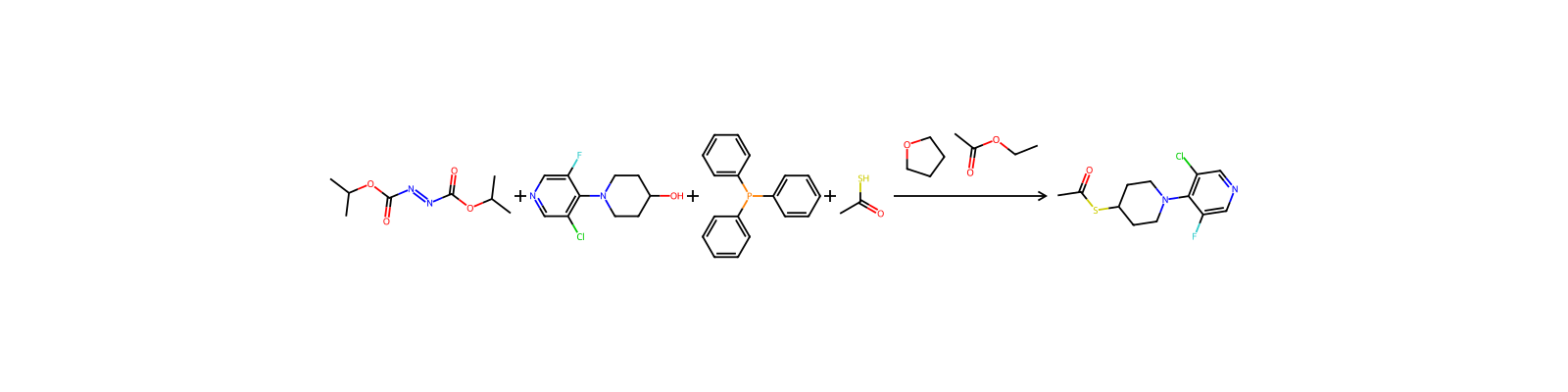
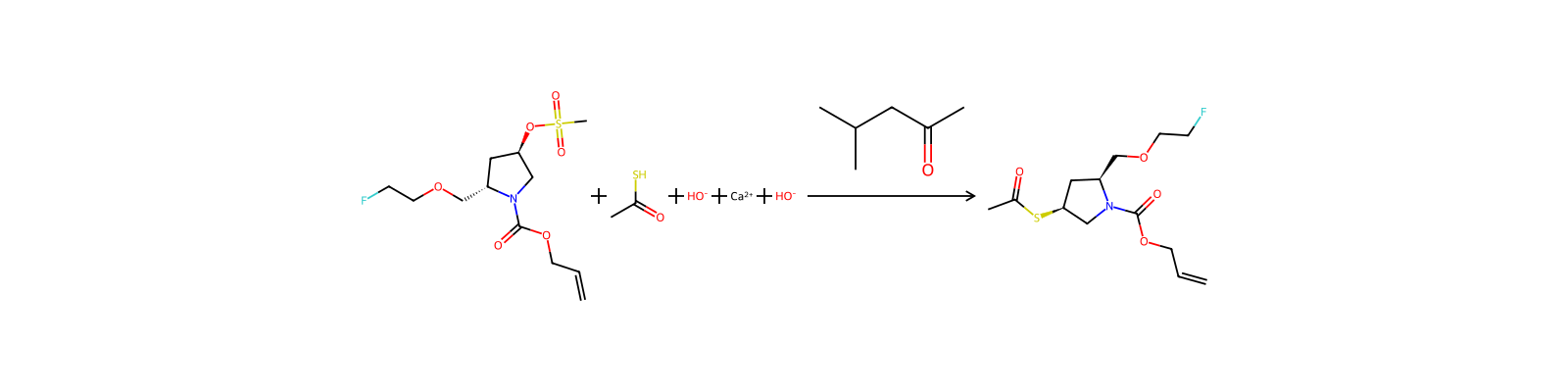
UsesThioacetic acid is a reagent for introduction of the thiol group into organic molecules. It is used as flavor & Fragrance Intermediates. It is used to manufacture captopril(antihypertension) and spironolac-tone (diuretic).
UsesChemical reagent, lachrymator.
General DescriptionA clear,yellow liquid with a strong, unpleasant odor. May be toxic by ingestion, inhalation and skin absorption. Irritating to skin and eyes. Flash point near 50°F. Used to make other chemicals.
Upstream & downstream products
Upstream raw materials
Downstream products
Suppliers50 total
国药集团化学试剂有限公司86-21-63210123 · [email protected]
梯希爱(上海)化成工业发展有限公司021-67121386 · [email protected]
衢州润东化工有限公司0570-8789886 18892685668 · [email protected]
上海阿拉丁生化科技股份有限公司400-6206333 13167063860 · [email protected]
Shandong chuangyingchemical Co., Ltd.18853181302 · [email protected]
武汉欣扬瑞和化学科技有限公司153-07155313 15307155313 · [email protected]
河北展药生物科技有限公司15369953316 +8615369953316 · [email protected]
Baoji Guokang Healthchem co.,ltd+8615604608665 15604608665 · [email protected]
山东前元高分子材料有限公司18678041314 18765609661 · [email protected]
Dayang Chem (Hangzhou) Co.,Ltd.+86-0571-88938639 17705817739 · [email protected]
Syntechem Co.,Ltd[email protected]
上海迈瑞尔生化科技有限公司4006356688 18621169109 · [email protected]
宁波亿诺化学品有限公司86-574-27787657 · [email protected]
阿法埃莎(中国)化学有限公司400-6106006 · [email protected]
安耐吉化学&3A(安徽泽升科技股份有限公司)400-0056266 · [email protected]
上海瀚鸿科技股份有限公司021-54306202 13764082696 · [email protected]
山东洛克化工有限公司17653113209 13065062079 · [email protected]
上海景颜化工科技有限公司13817811078 · [email protected]
嘉兴市艾森化工有限公司0573-85285100 18627885956 · [email protected]
石家庄欧特佳化工有限公司0311-87795622 · [email protected]
合肥天健化工有限公司551-65418679 15856988503;15837135945 · [email protected]
山东西亚化学有限公司13355009207 13355009207 · [email protected]
玛雅试剂+86 (573) 82222445 (0)18006601000 452520369 · [email protected]
四川库利南科技有限公司400-1166-196 18981987031 · [email protected]
天津希恩思生化科技有限公司400 638 7771 · [email protected]
Xiamen AmoyChem Co., Ltd+86-86-5926051114 · [email protected]
斯百全化学(上海)有限公司021-021-021-67601398-809-809-809 15221380277 · [email protected]
艾科试剂4008-755-333 18080918076 · [email protected]
上海思域化工科技有限公司86-21-34053660 · [email protected]
赛默飞世尔科技(中国)有限公司800-810-5118 · [email protected]
北京伊诺凯科技有限公司400-810-7969 010-59572699 · [email protected]
TOKYO CHEMICAL INDUSTRY CO., LTD.03-36680489 · [email protected]
上海将来实业股份有限公司021-61552785 · [email protected]
日照力德士化工有限公司010-51268198 · [email protected]
美岚实业(上海)有限公司021-58958189 · [email protected]
上海爱蝶实业有限公司021-58957966 18930537195 · [email protected]
成都零六生物科技有限公司400-1166-196 13458535857 · [email protected]
广拓化学(上海)有限公司021-60899189-8001 18918189673 · [email protected]
上海御略医药科技有限公司021-60345187 13671753212 · [email protected]
上海麦克林生化科技股份有限公司15221275939 15221275939 · [email protected]
杭州杰恒化工有限公司0571-87396432 · [email protected]
上海嵩爰化工科技有限公司010-1234567 18521000990 · [email protected]
凯试(上海)科技有限公司021-50135380 · [email protected]
池州凯隆进出口贸易有限公司[email protected]
Sigma-Aldrich西格玛奥德里奇(上海)贸易有限公司021-61415566 800-8193336 · [email protected]
成都瑞欧克科技有限公司028-64353063 · [email protected]
九鼎化学(上海)科技有限公司4009209199 · [email protected]
厦门志信化学有限公司+86-5922680277 +86-13806087780 · [email protected]
山东智尚新材料有限公司+8617653113209 · [email protected]
Standardpharm Co. Ltd.86-714-3992388 · [email protected]
Additional notes
DefinitionChEBI: A thioacetic acid that is acetic acid in which the oxygen atom of the hydroxy group has been replaced by a sulfur atom.
Related reactions
27 records





Linked notes
Loading…