Benzenepropanoic acid
Completing data — refresh the page later to see the latest

Basic information
- CAS
501-52-0- Standard SMILES
O=C(O)CCc1ccccc1- InChIKey
XMIIGOLPHOKFCH-UHFFFAOYSA-N- Molecular formula
- C9H10O2
- Average molar mass
- 150.17 g/mol
- Monoisotopic mass
- 150.06807956
Overview
3-phenylpropionic acid is a monocarboxylic acid that is propionic acid substituted at position 3 by a phenyl group. It has a role as an antifungal agent, a plant metabolite and a human metabolite. It is a member of benzenes and a monocarboxylic acid. It is functionally related to a propionic acid. It is a conjugate acid of a 3-phenylpropionate.
Names & identifiers
- Preferred name
- Benzenepropanoic acid
- IUPAC
- 3-phenylpropanoic acid
- English name
- 3-Phenylpropionic acid
- Molecular formula
- C9H10O2
- Molecular weight
- 150.17
Names & synonyms
hydrocinnamic acid3-phenylpropionic acid501-52-0Benzenepropanoic acidDihydrocinnamic acidBenzenepropionic acid3-Phenyl propionic acid3-Phenyl-propionic acidFEMA No. 2889DTXSID20470645Q445IN5CUNSC-9272
Show more names
HYDROXYCINNAMIC ACIDFEMA 2889hydrocinnamicNSC 9272Hydrocinamic acid
DTXCID0027064CHEBI:28631RefChem:789007207-924-53-Phenylpropanoic acidBenzylacetic acidBETA-PHENYLPROPIONIC ACIDPhenylpropanoic acid
Database identifiers
- CAS
501-52-0- PubChem CID
- 107
- DTXSID
DTXSID2047064- ChEMBL
CHEMBL851- ChEBI
CHEBI:28631- UNII
- 5Q445IN5CU
- EC Number
- 207-924-5
- Nikkaji
- J2.601H
Properties
Computed structural propertiesFilling in
- XLogP
- 1.8
- Topological polar surface area
- 37.3 Ų
- Hydrogen bond donors
- 1
- Hydrogen bond acceptors
- 2
- Rotatable bonds
- 3
- Heavy atoms
- 11
- Formal charge
- 0
- Complexity
- 126
Experimental & physicochemical properties
Chemical ClassesOther Classes -> Organic Acids
DrugsPharmaceuticals -> Listed in ZINC15
SpringerMaterials PropertiesAngular frequency
FragrancesFragrance Ingredient (3-Phenylpropionic acid) -> IFRA transparency List
LogP
1.84
1.91
Food Additives
FLAVORING AGENT OR ADJUVANT -> FDA Substance added to food
Food
Flavoring AgentsEU Flavoring substances
Solubility
5.9 mg/mL
slightly soluble in water; soluble in oils
moderately soluble (in ethanol)
Boiling Point
280.00 °C. @ 760.00 mm Hg
280 °C
Safety & regulation
Safety information is for reference only and does not replace the supplier’s Safety Data Sheet (SDS), applicable regulations, or professional assessment.
GHS classification
GHS Classification
This chemical does not meet GHS hazard criteria for 95.6% (238 of 249) of all reports.
Not Classified
Aggregated GHS information provided per 249 reports by companies from 8 notifications to the ECHA C&L Inventory.
Hazard information
Regulatory Information
Chemical: Benzenepropanoic acid
Commission Regulation (EC) No 1565/2000 (Repealed by Com. Implementing Reg. (EU) No 872/2012)
Status: Active Update: 21-02-2022 https://echa.europa.eu/registration-dossier/-/registered-dossier/33212
3-Phenylpropionic acid: Does not have an individual approval but may be used under an appropriate group standard
Hazards SummaryIntraperitoneal LD50 (mouse) = 1,202 mg/kg; [RTECS] Safe when used as a flavoring agent in food; [JECFA] A skin and strong eye irritant; [Alfa Aesar MSDS] See Cinnamic aldehyde.
Hazard Classes and CategoriesNot Classified
Safety data
- wgk
- 3
- tsca
- TSCA listed
- rtecs
- DA8600000
- hs_code
- 29163900
- risk_code
- 36/37/38
- Signal word
- Warning
- Symbol(GHS)
- GHS07
- hazard_code
- Xi
- safety_code
- 22-24/25-37/39-26
- Storage Class
Chemistry & industry
Pharmacology
Tissue LocationsKidney
Cellular LocationsCytoplasm
Uses & manufacturing
UsesUsed as flavoring agent or adjuvant; [FDA]
Use Classification
Fragrance Ingredients
Flavouring Agent -> FLAVOURING_AGENT -> JECFA Functional Classes
Flavoring Agents -> JECFA Flavorings Index
Flavouring Agent -> FLAVOURING_AGENT -> JECFA Functional Classes
Flavouring Agent -> FLAVOURING_AGENT -> JECFA Functional Classes
Flavouring Agent -> FLAVOURING_AGENT -> JECFA Functional Classes
General Manufacturing InformationBenzenepropanoic acid: ACTIVE
Applications
Description3-Phenylpropionic acid is a carboxylic acid that belongs to the class of phenylpropanoids. Also referred as hydrocinnamic acid, the chemical is a white crystalline solid with a sweet fatty smell of rose musk cinnamon at room temperature. 3-Phenylpropionic acid is soluble in both water and alcohol. It is widely used in food additives, cosmetics, and pharmaceuticals.
UsesFood Industry 3-Phenylpropionic acid is utilized in the food industry as a preservative as well as to maintain the original quality of aroma of frozen foods. It is also used for flavoring and restoring original color to food. 3-Phenylpropionic acid is added to shelved foods to prevent microorganisms from deteriorating the food. It also acts as an antioxidant to prolong the life of foodstuff in shelves. 3-Phenylpropionic acid is also used as a food sweetener. 3-Phenylpropionic acid acts as an emulsifier as it can keep water and oil mixtures separated. 3-Phenylpropionic acid can be added in food for technological reasons in wide range such as processing, manufacturing, packaging, treatment, transportation, and storage. Cosmetics 3-Phenylpropionic acid is used in beautifying products such as bath gels, detergent powders, and fabric softeners as it gives a floral scent. It is also used as a flavour for mouthwashes and toothpastes.
Related reactions
154 records
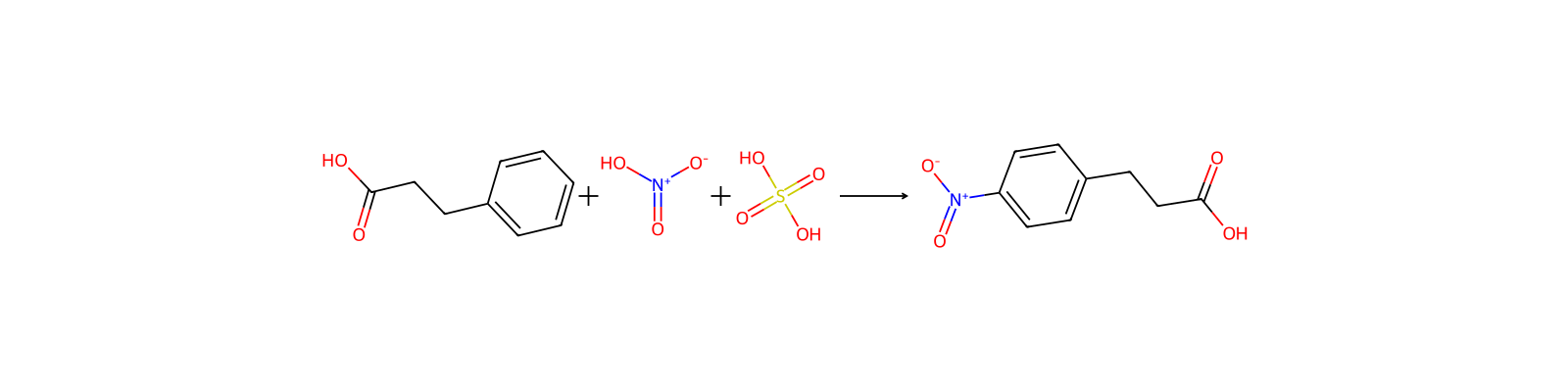
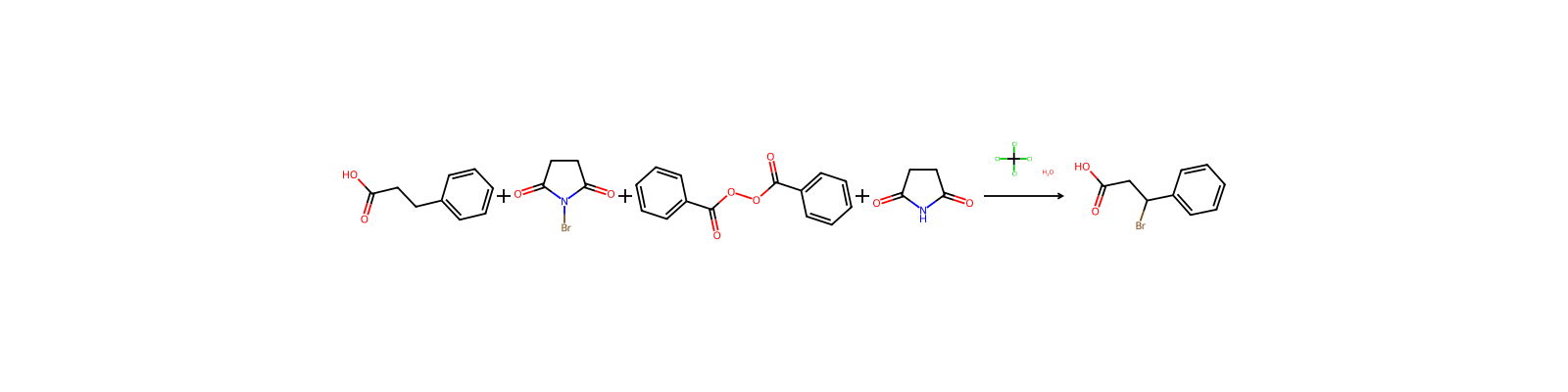



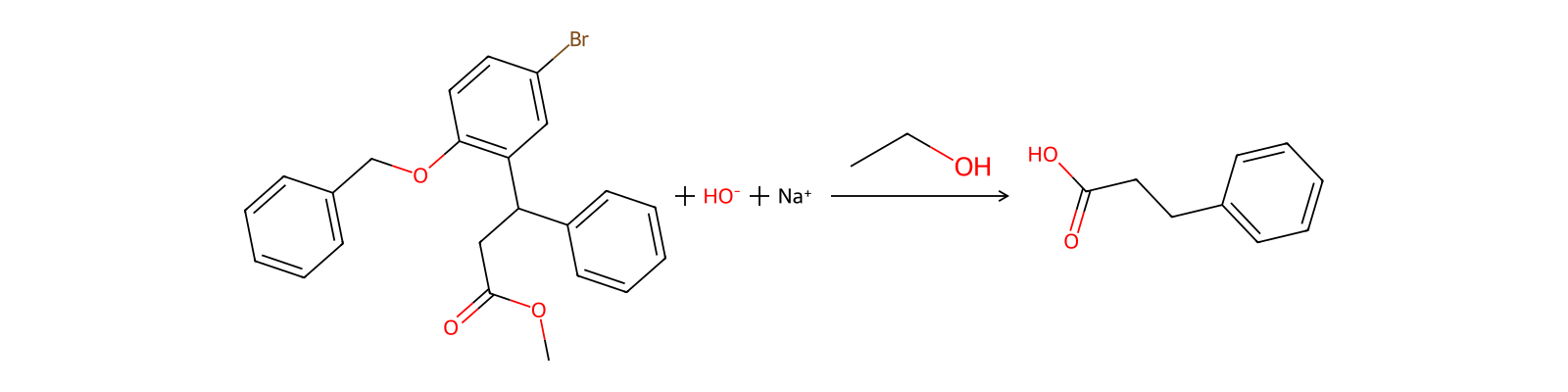
Compound notes
Loading…