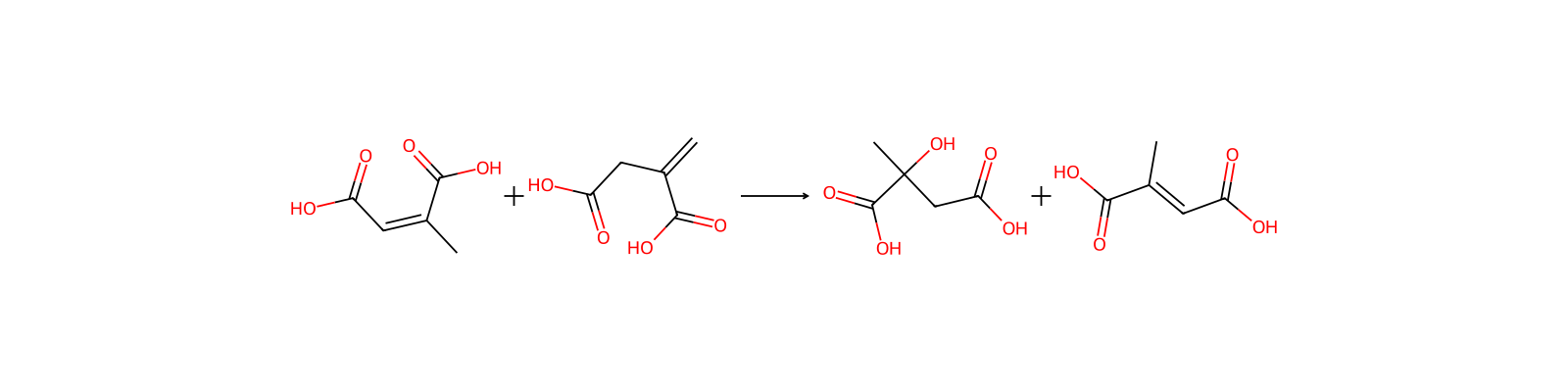

Basic information
- Standard SMILES
CC(O)(CC(=O)O)C(=O)O- InChIKey
XFTRTWQBIOMVPK-UHFFFAOYSA-N- Molecular formula
- C5H8O5
- Average molar mass
- 148.11 g/mol
- Monoisotopic mass
- 148.03717336
Overview
Citramalic acid is a 2-hydroxydicarboxylic acid that is malic acid (hydroxysuccinic acid) in which the hydrogen at position 2 is substituted by a methyl group. It has a role as a plant metabolite, a human metabolite and an algal metabolite. It is a dicarboxylic fatty acid, a 2-hydroxydicarboxylic acid and a 3-hydroxy carboxylic acid. It is functionally related to a succinic acid. It is a conjugate acid of a citramalate(2-).
Names & identifiers
- Preferred name
- (+-)-Citramalic acid
- IUPAC
- 2-hydroxy-2-methylbutanedioic acid
- English name
- (+/-)-Citramalic acid dipotassium salt
- Molecular formula
- C5H6K2O5
- Molecular weight
- 242.31
Names & synonyms
(+-)-Citramalic acidRefChem:390712Citramalic acid597-44-42-hydroxy-2-methylbutanedioic acidcitramalate2-Methylmalic acid2-Hydroxy-2-methylsuccinic acidDL-Citramalic acid2-Hydroxy-2-methyl-butanedioic acid2306-22-12-Hydroxy-2-methylbutane-1,4-dioic acid
Show more names
(?-Potassium citramalate(±)-2-Hydroxy-2-methylsuccinic acid dipotassium salt, (±)-2-Methylmalic acid dipotassium salt, (±)-Citramalic acid dipotassium salt
alpha-Hydroxypyrotartaric acid2-Deoxy-3-C-methyltetraric acid(+/-)-Citramalic acid sodium saltbutanedioic acid, 2-hydroxy-2-methyl-(+/-)-Citramalic acid dipotassium saltFGC721P65HNSC-80648Malic acid, 2-methyl-
Database identifiers
- CAS
2306-22-1、597-44-4- PubChem CID
- 1081
- DTXSID
DTXSID40862265- ChEBI
CHEBI:15584- UNII
- FGC721P65H
- EC Number
- 209-901-5、625-268-1
- Nikkaji
- J7.390C
Properties
Computed structural properties
- XLogP
- -0.9
- Topological polar surface area
- 94.8 Ų
- Hydrogen bond donors
- 3
- Hydrogen bond acceptors
- 5
- Rotatable bonds
- 3
- Heavy atoms
- 10
- Formal charge
- 0
- Complexity
- 163
Experimental & physicochemical properties
Melting Point107 - 111 °C
Physical DescriptionSolid
Collision Cross Section
133.2 Ų [M+Na]+ [CCS Type: DT; Method: single field calibrated with ESI Low Concentration Tuning Mix (Agilent)]
124.87 Ų [M-H]- [CCS Type: DT; Method: stepped-field]
133.2 Ų [M+Na]+
Physicochemical properties
- solubility
- Acetone (Slightly), Chloroform (Slightly), Ethanol (Slightly), Methanol (Slightly)
- form
- Solid
- color
- Off-White to Pale Beige
- Merck
- 13 · 13,2347
- Symbol(GHS)
- 7 · GHS07
- Signal word
- Warning
- Hazard statements
- 319 · H319-H335-H315
- Precautionary statements
- 264 · P264-P280-P305+P351+P338-P337+P313P-P264-P280-P302+P352-P321-P332+P313-P362
- Hazard Codes
- Xi
- Risk Statements
- 36 · 36/37/38
- Safety Statements
- 26 · 26-36
- WGK Germany
- 3 · 3
Safety & regulation
GHS classification
GHS Classification
Warning
H315 (100%): Causes skin irritation [Warning Skin corrosion/irritation]
P261, P264, P264+P265, P271, P280, P302+P352, P304+P340, P305+P351+P338, P319, P321, P332+P317, P337+P317, P362+P364, P403+P233, P405, and P501 (click each P-code to see the statement)
Aggregated GHS information provided per 38 reports by companies from 1 notifications to the ECHA C&L Inventory. Each notification may be associated with multiple companies.
Warning
H315 (66.7%): Causes skin irritation [Warning Skin corrosion/irritation]
Hazard information
Hazard Classes and Categories
Skin Irrit. 2 (100%)
Skin Irrit. 2 (66.7%)
Safety data
- wgk
- 3
- risk_code
- 36/37/38
- Signal word
- Warning
- Symbol(GHS)
- GHS07
- hazard_code
- Xi
- safety_code
- 26-36
- Hazard statements
- H319-H335-H315
- Precautionary statements
- P264-P280-P305+P351+P338-P337+P313P-P264-P280-P302+P352-P321-P332+P313-P362
Chemistry & industry
Pharmacology
Cellular LocationsCytoplasm
Suppliers6 total
艾吉析科技(上海)有限公司17717235263 · [email protected]
上海瀚鸿科技股份有限公司021-54306202 13764082696 · [email protected]
career henan chemical co+86-0371-86658258 · [email protected]
重庆卡兰医药有限公司[email protected]
DAYANG CHEM (HANGZHOU) CO.,LTD+86-88938639 +86-17705817739 · [email protected]
宝鸡缔都医药化工有限公司029-029-81148929 17792602132 · [email protected]
Additional notes
DefinitionChEBI: Citramalic acid is a 2-hydroxydicarboxylic acid that is malic acid (hydroxysuccinic acid) in which the hydrogen at position 2 is substituted by a methyl group. It has a role as a human metabolite, a plant metabolite and an algal metabolite. It is a 2-hydroxydicarboxylic acid, a 3-hydroxy carboxylic acid and a dicarboxylic fatty acid. It is functionally related to a succinic acid. It is a conjugate acid of a citramalate(2-).
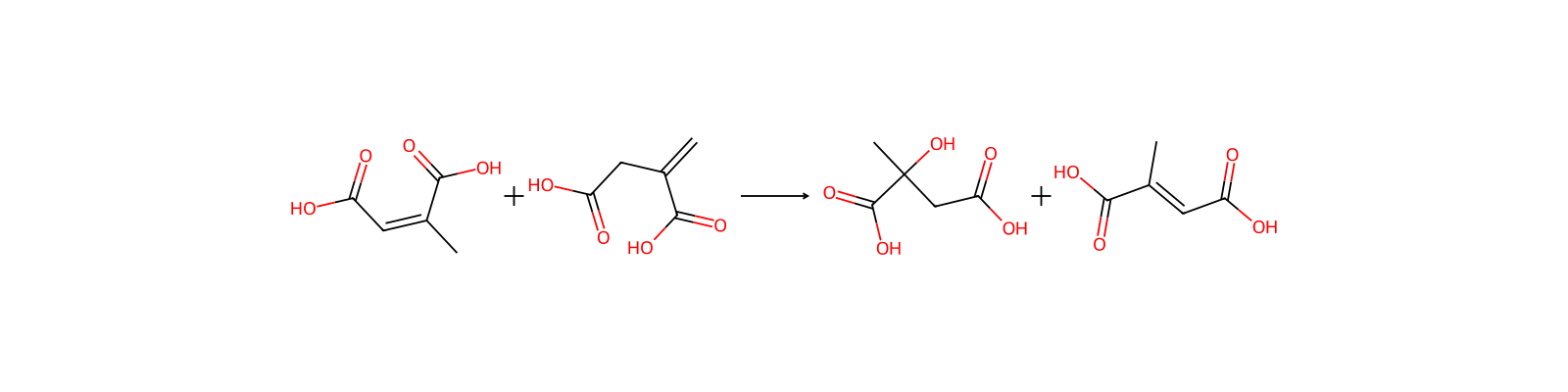
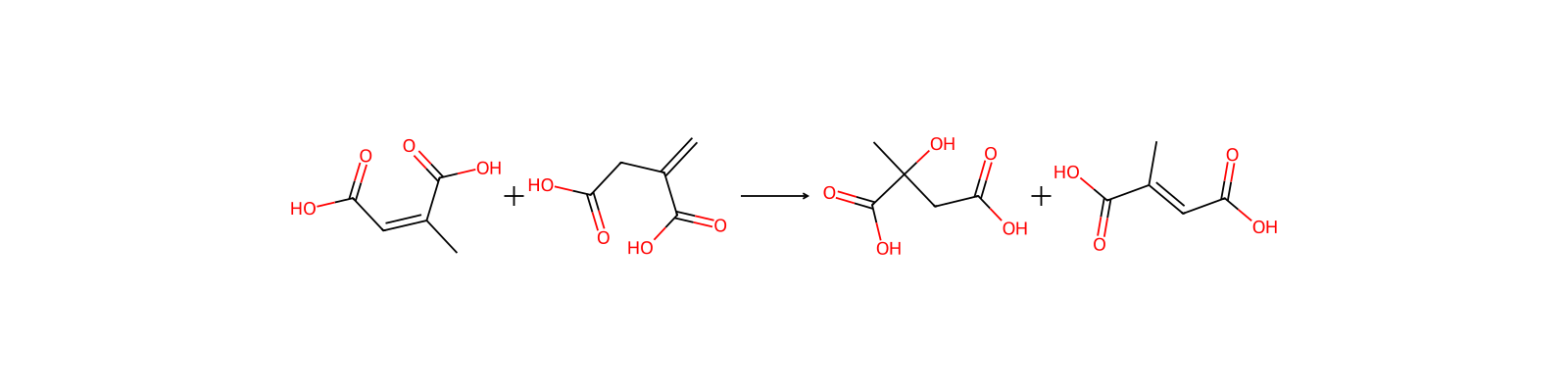
Related reactions
4 records

Linked notes
Loading…